
TAIPEI, April 20, 2026, 21:31 (UTC+8)
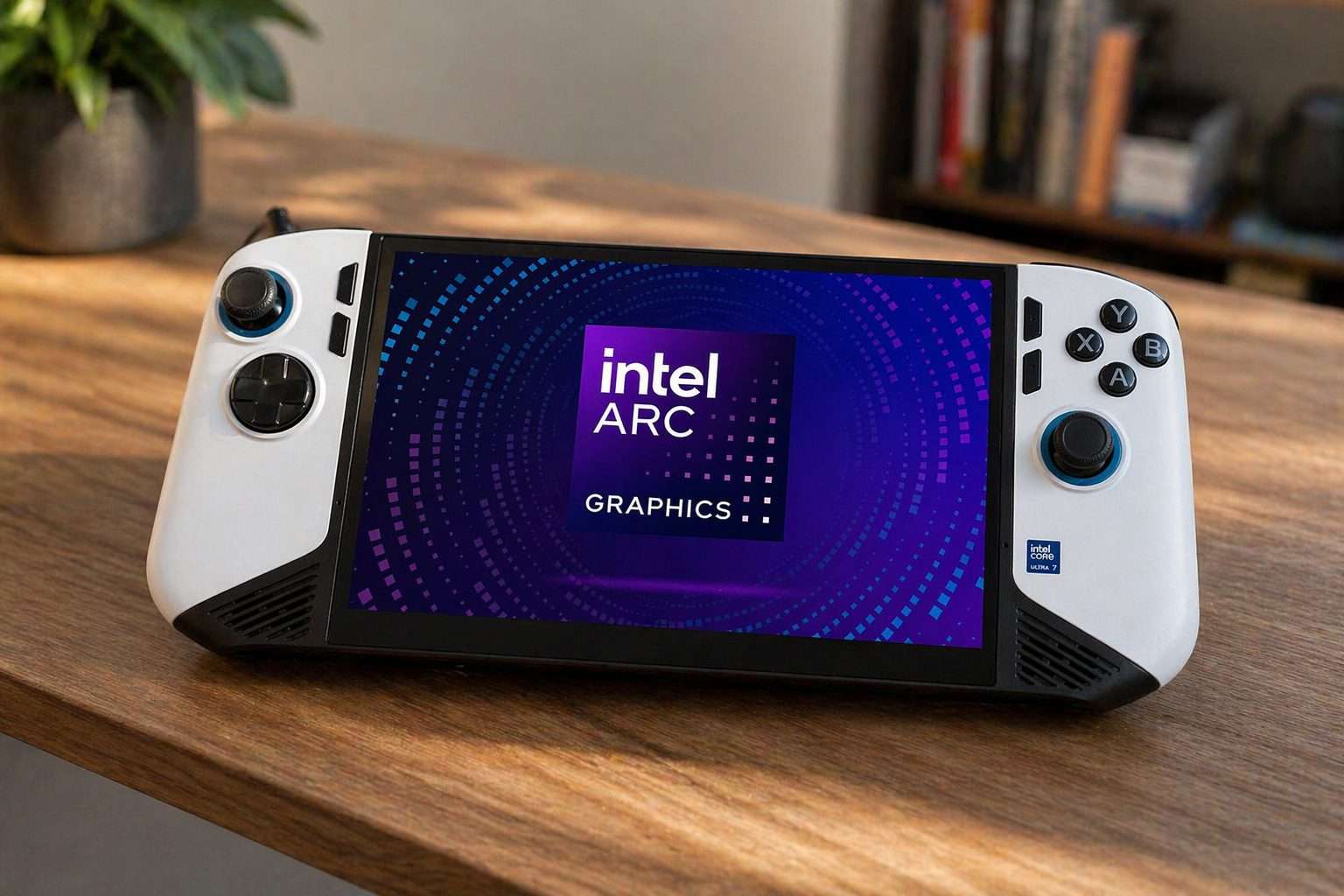
Intel is gearing up to launch Arc G3 and Arc G3 Extreme chips aimed at gaming handhelds, with a possible debut timing around Computex 2026 in Taipei, according to multiple technology outlets referencing an initial scoop by VideoCardz. These chips are expected to leverage Intel’s Panther Lake architecture, but the company hasn’t officially confirmed the Arc G3 branding yet.
The timing here is crucial, with Computex now less than seven weeks out—and the event has turned into a major launchpad for PC makers betting that handheld Windows gaming devices can carve out more than just a niche following. According to the official Computex site, the 2026 edition is scheduled for June 2-5 across Taipei Nangang Exhibition Center halls, TWTC, and TICC.
If Intel does come out with a true Arc G3 launch, it’ll finally have something more directly in line with AMD’s Ryzen Z series. Those chips have been driving a lot of the momentum in handheld PC gaming, seen in devices like Asus’s ROG Ally and Lenovo’s Legion Go. AMD pitches its Ryzen Z2 lineup as made specifically for handheld gaming: Zen CPU cores, RDNA graphics, and a focus on efficient, portable performance.
Two models are shaping the reported lineup. Notebookcheck, referencing details from leakers 9550Pro and Jaykihn, reports that the Arc G3 Extreme is expected to feature Arc B380 integrated graphics — meaning the graphics block is part of the main processor — with 12 Xe cores. The regular Arc G3, on the other hand, would get Arc B360 graphics and 10 Xe cores.
PC Guide, referencing VideoCardz, reported that the chips may sport a 25-watt base TDP, with turbo modes pushing up to 65 watts and even 80 watts. That kind of wattage is significant in handhelds: pushing it higher can bump up frame rates, but there’s a tradeoff—more heat, more fan noise, and quicker battery drain.
Back at CES in January, Intel signaled its move in this direction. According to TechCrunch, Daniel Rogers—Intel’s vice president and general manager of PC products—revealed plans for a handheld gaming platform based on Panther Lake, promising additional information before year-end.
Intel used the official Panther Lake debut to make a point: graphics aren’t taking a backseat anymore. Jim Johnson, the company’s SVP and general manager of client computing, said the Series 3 lineup is all about “a bigger GPU,” as well as steps up in CPU power and efficiency. The company’s own tests showed up to 77% better gaming performance over Lunar Lake. Newsroom
The actual device names? Still unclear. TweakTown flagged MSI and OneXPlayer as early adopters, while PC Guide pointed out that Intel’s CES partner list included Acer, GPD, OneXPlayer, and Microsoft. MSI stands out here—the Claw series was already running on Intel chips before, though newer models have shifted to AMD.
Still, a lot remains unsettled. The reports clash over details like graphics names and clock speeds, and Notebookcheck pointed out a CPU-Z screenshot labeled “Core G3 Extreme” that Intel leaker Jaykihn dismissed as fake. Jaykihn said the chip would actually use the Arc G3 Extreme branding. Notebookcheck
AMD isn’t holding back. “You can’t just use mobile silicon” in handhelds, said Rahul Tikoo, the company’s senior vice president and general manager of client business, speaking to reporters in January. Tikoo argued these devices require chips made for the job. That’s the hurdle for Intel—Panther Lake’s specs on paper might not cut it if partners can’t deliver handhelds that stay quiet, keep costs down, and actually last on a charge. Tomshardware