
LONDON, April 24, 2026, 17:06 BST
- IAG plans to raise ticket prices, citing the jump in jet fuel costs.
- British Airways’ parent company said it hasn’t experienced any disruptions in jet fuel supply.
- IAG shares slipped 1.6% late in the London session.
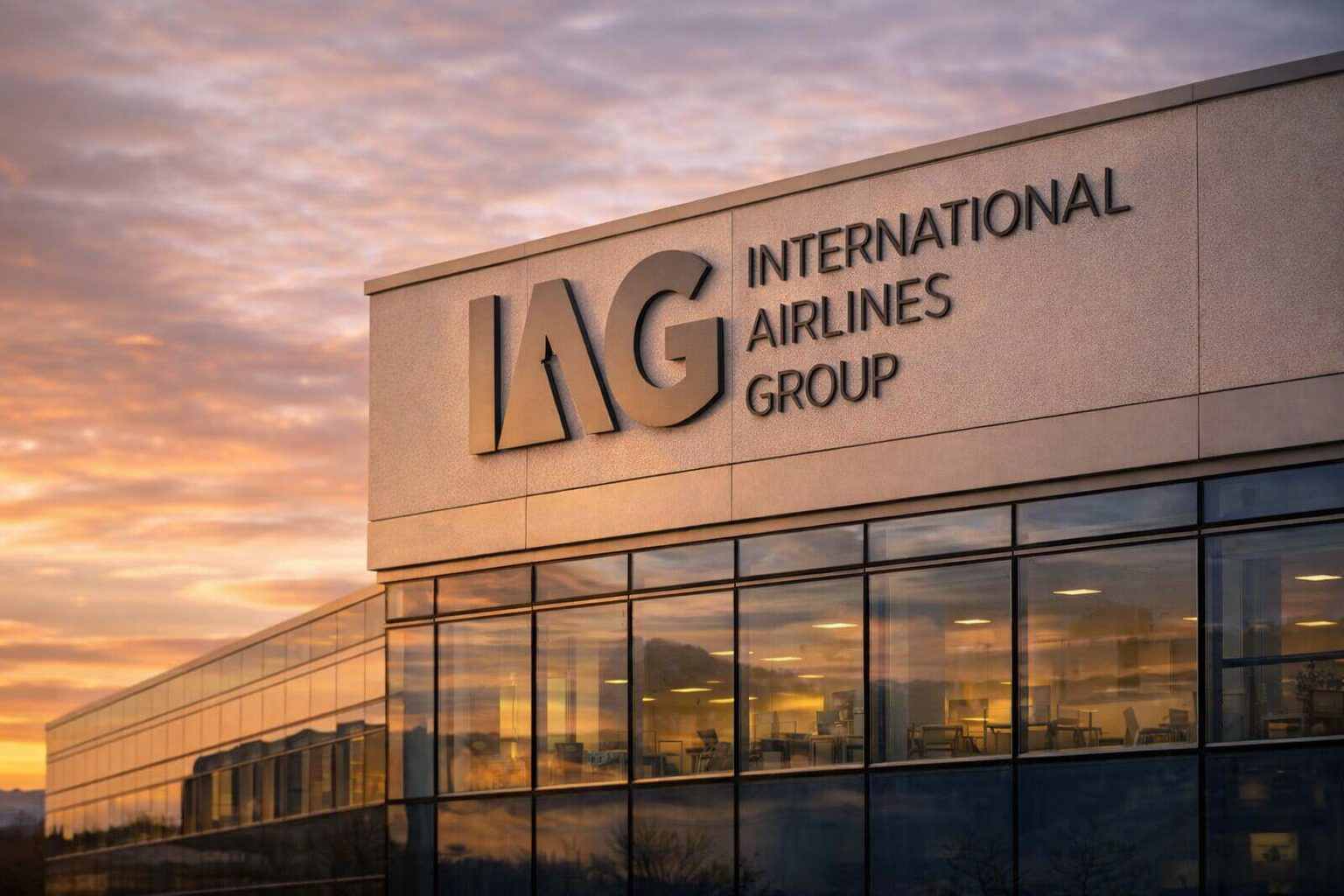
International Consolidated Airlines Group SA plans to hike ticket prices, responding to surging jet fuel costs that are squeezing the British Airways parent. Despite the pressure, IAG noted there haven’t been any fuel supply disruptions. The fare increases add IAG to a growing list of airlines shifting the burden of a war-fueled spike in fuel costs onto customers ahead of the summer travel rush.
Timing is critical here. Airlines are approaching peak season just as oil markets feel the squeeze from the U.S.-Israeli conflict with Iran and disruptions at the Strait of Hormuz, a chokepoint for global energy shipments. IAG shares traded at 376.30 pence, slipping 1.62%. That puts the group’s market cap around 16.91 billion pounds.
Fuel typically eats up a large chunk of airline budgets, and pushing fares higher can put off passengers fast, especially with consumers feeling the pinch. Hedging has cushioned European airlines to a degree—those financial deals fix fuel costs ahead of time—but that buffer is shrinking as those earlier contracts roll off.
IAG acknowledged it’s “not immune” to broader disruptions, despite existing hedges. The company spokesperson urged authorities to show “flexibility”—specifically, airport slot relief. Those takeoff and landing slots are valuable; with relief, airlines could trim flights without giving up those rights. Reuters
The group counts British Airways, Iberia, Vueling, Aer Lingus and LEVEL among its brands. Registered in Spain but headquartered in London, it’s listed in both London and Spain.
The surprise lands just weeks after IAG posted its highest-ever 2025 results. Revenue was up 3.5% to 33.21 billion euros; operating profit before exceptional items climbed 13.1%, hitting 5.02 billion euros. The company also noted it was 62% hedged on fuel for 2026, sticking to forecasts laid out in February.
Chief Executive Luis Gallego said those results left IAG “confident” about the outlook, citing strong long-term travel demand and tight industry supply. Now, with fresh fuel cost pressure, investors get a sharper look at that thesis when IAG posts first-quarter numbers on May 8.
Pressure is building among peers. TUI lowered its profit forecast this week and pulled its revenue guidance, pointing to the Iran war and jet fuel supply issues. The company also reported weaker performance in its airline and hotels segments, after travelers turned away from Turkey, Cyprus and Egypt.
Last month, EasyJet CEO Kenton Jarvis warned that fares will begin rising for consumers toward the end of summer, with earlier hedges expiring. Air France-KLM, meanwhile, has started tacking on a jet fuel surcharge to certain long-haul routes, according to Reuters.
Regulators aren’t standing still. EU Energy Commissioner Dan Jorgensen told Reuters the bloc might turn to “redistribution tools” if supply risks emerge. The European Commission, for its part, is mulling jet fuel stockpile requirements and tighter oversight of refinery output. Reuters
There’s more at stake than pricier tickets. Should fuel supplies get squeezed again, airlines could scale back capacity, with the brunt likely hitting thinner routes and the more price-conscious leisure crowd. Still, if energy markets steady or hedging strategies hold up, IAG might manage to pass some extra costs along without seeing bookings take a major blow.
IAG isn’t mincing words. Prices are rising, supply hasn’t budged, and the fuel bill’s impact is showing up right in ticket costs—not just tied to oil markets anymore.