
London, April 24, 2026, 20:04 BST
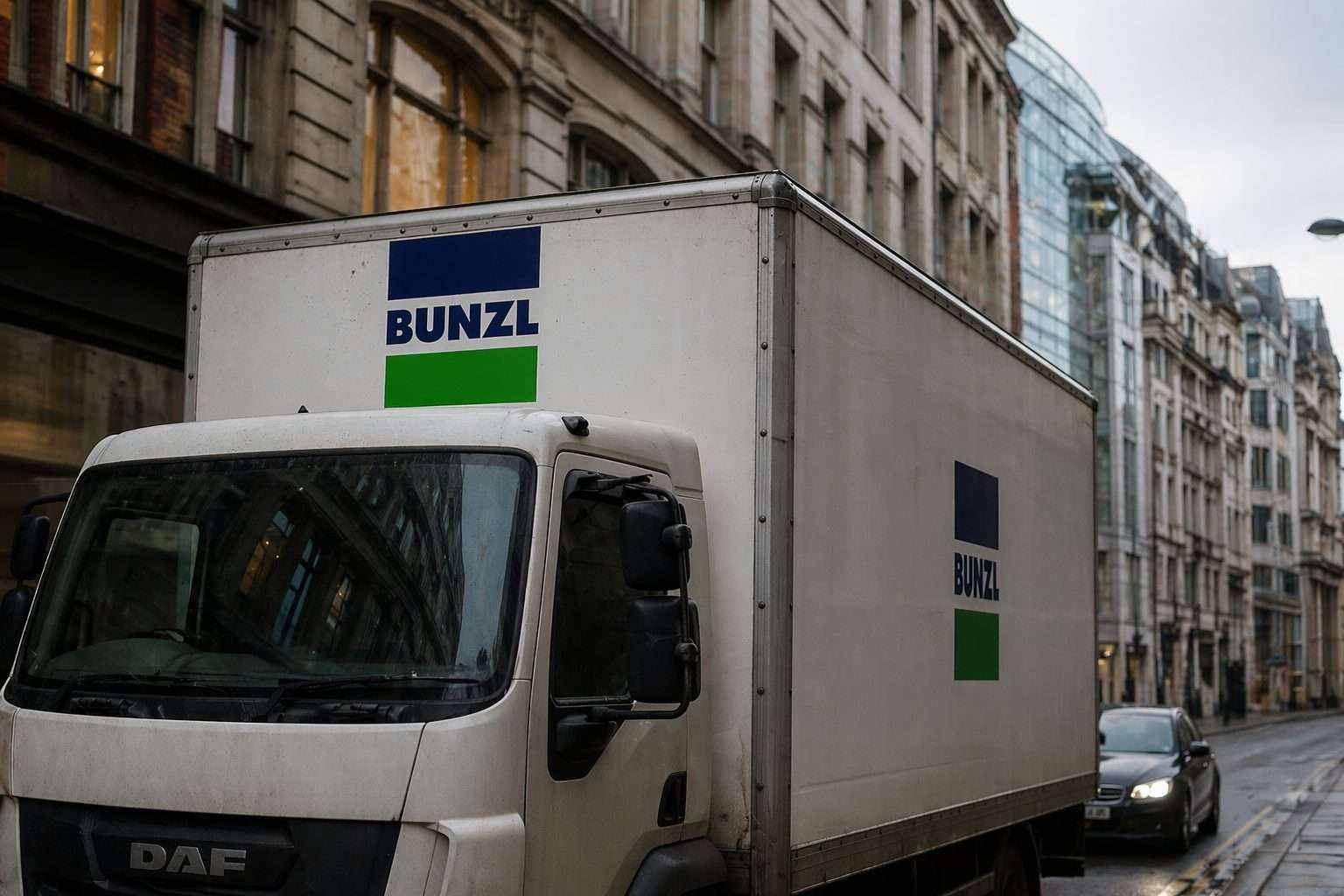
Bunzl closed 0.91% higher at 2,447 pence in London on Friday, chalking up a third consecutive gain. Investors stuck with the business supplies distributor after it reaffirmed its 2026 guidance in the latest first-quarter update. Shares have climbed 3.77% during the last five sessions and are now up 17.87% for the year, according to MarketScreener data.
Bunzl is still working to win back investor confidence following turbulence in its North American business—the group’s biggest market. Reuters noted that soft demand and operational missteps in the region dragged on margins, while last year’s 2025 outlook downgrade and suspended buyback did nothing to help sentiment.
Some clarity for shareholders: Bunzl reported a 1.5% revenue increase at constant exchange rates for the first quarter, covering the three months ended March 31. The company’s preferred metric, underlying revenue—which adjusts for trading days and a few other items—was up 2.0%. Higher volumes and prices linked to tariffs did some of the heavy lifting.
Group revenue slipped 0.4% at actual exchange rates. According to the company, acquisitions net of disposals contributed 0.6% to growth, but the calendar had fewer trading days, trimming revenue by 1.1 percentage points. Adjusted operating profit tracked management’s outlook for a more stable 2026.
Chief Executive Frank van Zanten pointed to underlying revenue growth, attributing it to “actions taken to improve performance” along with tighter attention on organic revenue. Van Zanten reiterated that Bunzl continues to see 2026 as a “foundation for future profit growth.” Investegate
North America is making the difference this time. Bunzl reported that underlying revenue growth in the region edged past the broader group, boosted in part by efforts to lift performance and fresh contracts picked up during the back half of 2025. The British distributor, according to Reuters, does business in 33 countries, selling everything from office supplies to food packaging. North America brings in over half of Bunzl’s revenue.
Investors found some reassurance as the company kept its guidance unchanged. Bunzl is sticking with its outlook for moderate revenue growth at constant exchange rates in 2026, citing both some organic growth and a modest bump from acquisitions. Still, the group now sees its operating margin—operating profit as a proportion of sales—coming in a touch below last year’s.
Peel Hunt pointed out that Bunzl sticking to its guidance “likely reassure investors”, even with shaky trading conditions and ongoing cost pressures, Proactive Investors noted. Rather than pitching growth, the update ended up underscoring that Bunzl sidestepped another downgrade. Proactiveinvestors UK
Keith Bowman at interactive investor called North American demand “looks to remain steady,” but didn’t gloss over risk factors—energy and fuel prices, tariff uncertainty, and softness in the U.S. consumer. Bunzl’s main exposure? Six core markets: grocery, foodservice, safety, retail, cleaning and hygiene, and health, Bowman pointed out. Interactive Investor
The read-across isn’t straightforward. Back in March, RS Group—also a UK-listed industrial distributor—flagged that tariff uncertainty in the U.S. was prompting some of its bigger Mexican customers to hold off on orders. Bunzl, on the other hand, says tariff-driven price hikes have boosted revenue. Both stories land at the same point: trade policy turbulence is still rippling across supply chains.
The first quarter might end up being the smoothest stretch all year. Bunzl flagged rising geopolitical and macroeconomic uncertainty, sticking with guidance that still bakes in a modest full-year drop in operating margin. Should volumes slip or tariff-related costs jump ahead of price hikes, North America’s turnaround could start to stall.
Investors, for the moment, are reading Bunzl’s update as a sign the company may have moved past the rough patch from last year—though it’s hardly confirmation of a full rebound. The real question: Can Bunzl build on a more stable first quarter and deliver lasting organic growth, all while holding the line on margins?