
Melbourne, April 25, 2026, 06:04 AEST
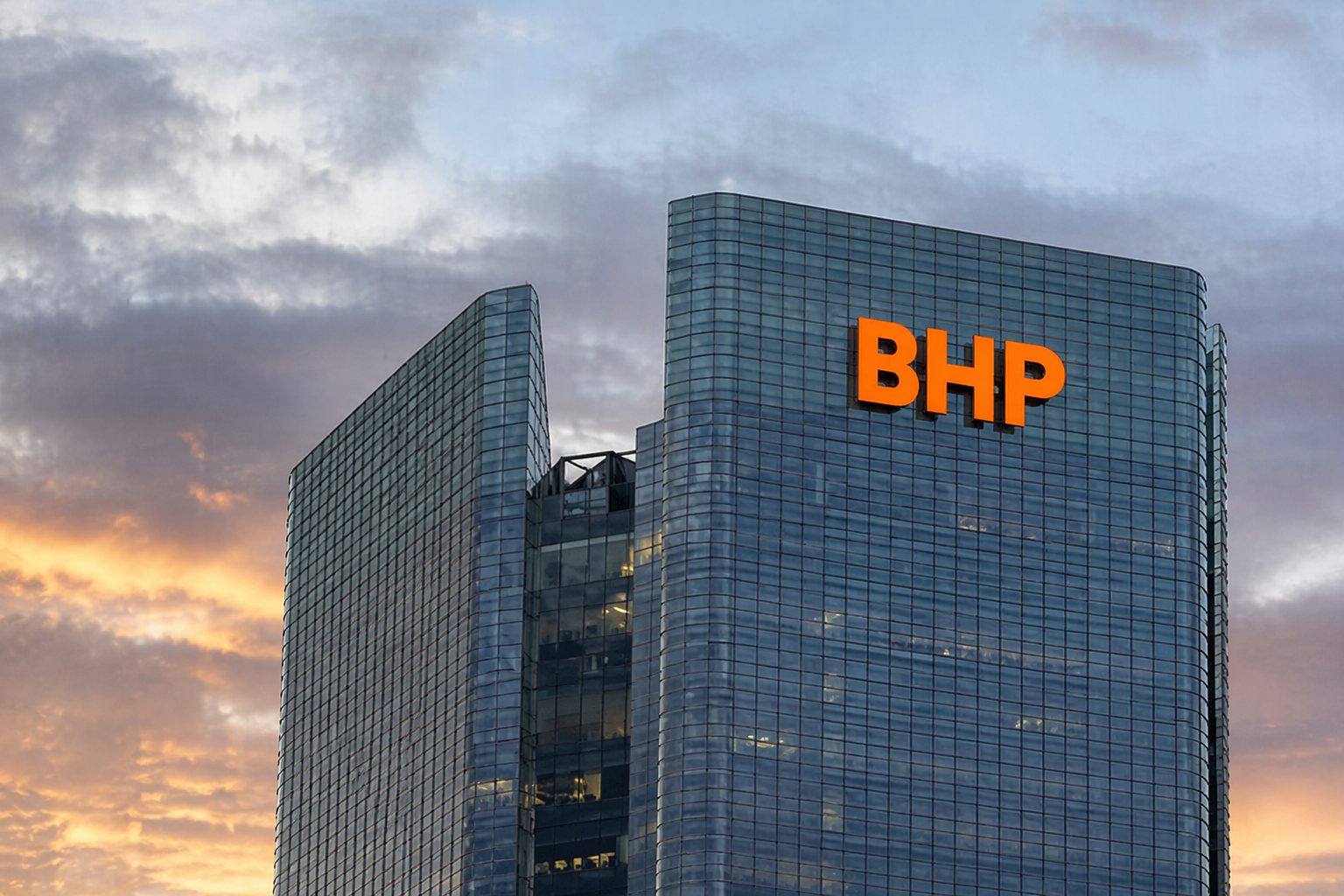
BHP Group Ltd will switch to a Chinese iron ore price index for its Jimblebar Fines product, settling a protracted dispute with China Mineral Resources Group, according to three sources cited by Reuters in a report published by Energy News.
This pivot hands more pricing clout over BHP’s key iron ore product to China’s state buyer, following a stretch of procurement bans. China stands as BHP’s largest client, and iron ore is still the miner’s main source of cash, despite its ongoing push into copper.
BHP wrapped up iron ore contract talks with CMRG this week, though it kept the specifics under wraps. That news comes with Brandon Craig, a BHP lifer of 25 years, set to succeed Mike Henry as CEO on July 1—just a few months out from the company’s latest reported pricing update.
Jimblebar Fines, a medium-grade iron ore product, would—based on the reported deal—be priced off a weighted average of four indexes. Among them: China’s COREX 61% portside index, carrying a 26% weight in the basket. “Portside” here means ore sold after entering Chinese ports, different from seaborne cargoes, which get priced ahead of delivery. Energy News
BHP is said to be pitching a 1.8% price cut on select term-contract cargoes, along with a freight discount for specific large vessels, according to one source. BHP would not comment on the matter. CMRG hasn’t responded yet to requests for comment.
BHP didn’t have to revise its production guidance after posting operating results that left it some room to maneuver. The Western Australia Iron Ore division reported 69.8 million metric tons produced in the March quarter, on a 100% basis—topping Visible Alpha’s projection of 68.9 million tons. Copper production dropped 7%, landing at 476,800 tons.
The company stuck with its full-year iron ore target. Copper volumes are now expected toward the upper end of the 1.9 million to 2.0 million ton forecast. Henry highlighted the quarter’s “consistency” for BHP, and noted Craig will take over a copper and potash project lineup.
Josh Gilbert, market analyst at eToro, thinks settling the CMRG dispute “quietly de-risks” BHP’s iron ore earnings. For him, maintaining a straightforward relationship with BHP’s top customer is crucial to the company. Reuters
Iron ore futures turned in a mixed performance Friday, with traders eyeing firm Chinese construction activity but also bracing for potential extra supply from BHP making its way to China. On the Dalian Commodity Exchange, the actively traded September contract rose 0.32% to 787.5 yuan per metric ton at 0303 GMT. Singapore’s May benchmark contract barely moved, inching up 0.1% to $106.80 per ton.
Other miners are navigating a similar iron ore backdrop. Earlier this week, Rio Tinto posted gains in both iron ore and copper production for the first quarter. Fortescue, for its part, shipped 48.4 million tons of iron ore in the March quarter, up from 46.1 million tons the previous year. The company left its full-year shipment guidance steady.
BHP’s Australian stock ended Friday at A$56.10, inching up 0.12% ahead of the ASX closure for Saturday’s ANZAC Day break. Over in New York, the company’s U.S. shares barely budged, holding at $79.76 late Friday.
The truce leaves plenty of uncertainty on the table. The COREX index, still relatively new and pegged to portside trades, is structured in a way that’s made global miners—according to industry sources—uneasy. If BHP starts shipping more cargoes just as China’s steel production slumps, what looked like a settlement could easily flip into a drag on prices. Fresh figures from the World Steel Association on Thursday put Chinese crude steel output down 6.3% at 87.0 million tons.