
London, April 26, 2026, 14:01 BST
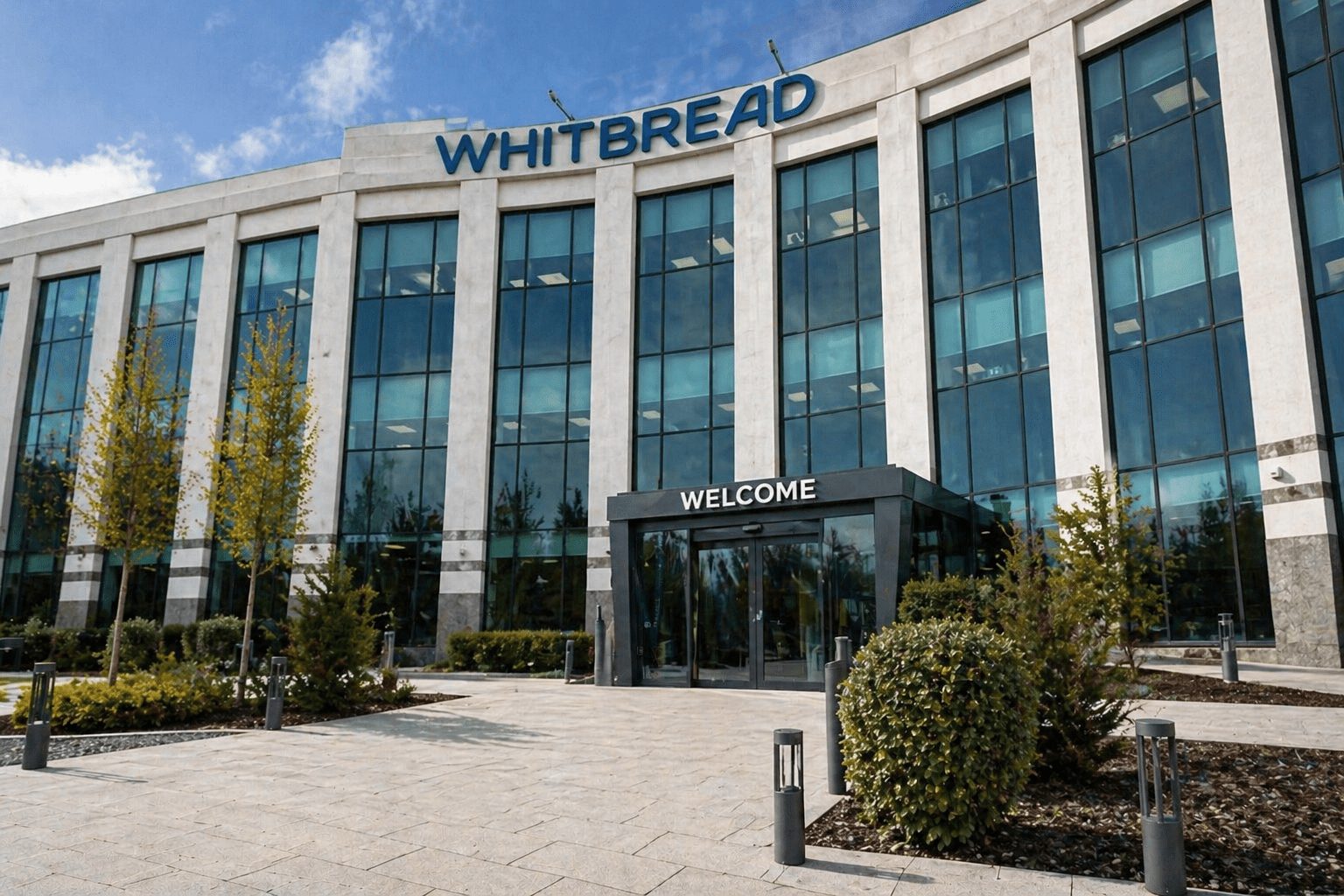
- Whitbread plans to put around 20% of its Premier Inn hotel freeholds up for sale and leaseback, a strategy that could unlock close to £1.5 billion for shareholder payouts, according to .
- Whitbread PLC will unveil the plan together with its FY26 preliminary results on April 30, a date shaping up as key for investors seeking clarity amid activist demands and the weight of increased UK property taxes.
- Premier Inn would become more property-light under the shift, though it comes with new long-term rent obligations.
Whitbread is gearing up to offload a large chunk of its Premier Inn hotel portfolio, The Times reports, a change in strategy that could put roughly £1.5 billion in shareholders’ hands. Britain’s largest hotel operator is moving away from its traditional ownership model with this planned sale.
Timing is key here. Whitbread will roll out an update to its five-year plan alongside full-year results on April 30, with investors seeking more visibility on cash returns—this comes after UK tax changes weighed on the benefits of outright hotel ownership.
Dunstable-based Whitbread holds outright ownership of roughly half of Premier Inn’s freehold hotels at the moment. If the plan goes through, that proportion drops to around 40%, pushing Whitbread into majority leasehold territory—a first for the company since Premier Inn launched back in 1987.
With a sale-and-leaseback, Whitbread would offload the hotel properties to investors but keep operating Premier Inn at those locations as a tenant. Whitbread declined to comment, according to The Times.
Whitbread is out to prove to shareholders that property assets and large-scale operations really do pay off. The company’s current five-year strategy is aimed at driving at least £300 million in extra adjusted pretax earnings by 2029/30, while returning over £2 billion to investors through buybacks and dividends and recycling no less than £1 billion worth of property.
Whitbread’s January update underscored why the board faces mounting pressure. For the third quarter, group sales increased 2% to £781 million. The company also trimmed its expected blow from UK business-rate hikes—now pegged at around £35 million, having previously warned of a £40 million to £50 million range. Chief Executive Dominic Paul called the planned rates overhaul “damaging for the overall sector” and warned it could deter investment and threaten jobs. Reuters
Back in January, Bernstein’s Richard Clarke called it “a strong result” in the near term, but flagged lingering doubts: the long-run impact of business rates, tweaks to the five-year plan, and how Whitbread will handle pressure from activists. Reuters
The pressure’s been clear enough. Corvex Management, a hedge fund out of New York, has taken a 6.05% stake in Whitbread and demanded a strategic review, saying the share price doesn’t reflect the value of its UK hotels or its German operations. Corvex is also pushing for a seat on the board.
If confirmed, the move would align Whitbread more closely with bigger hotel rivals that tie up less capital in real estate. IHG notes that under its setup, less than 1% of rooms are owned or leased—the bulk are franchised. Accor, for its part, points to a similarly asset-light structure, leaning heavily on franchise and management deals.
Premier Inn properties are already changing hands in the market. Back in January, LondonMetric Property snapped up nine Premier Inn hotels from Whitbread, shelling out £89 million. The portfolio came with fresh 30-year leases, £5 million in annual rent, and inflation-linked rent bumps. “High quality and mission critical assets,” is how CEO Andrew Jones put it, highlighting the “long, strong and growing” income stream. LondonMetric
Quick cash isn’t free money; it can mean a bigger tab later. Offloading buildings does bump up returns and bankrolls buybacks, but what once sat on the balance sheet as real estate turns into rent obligations—potentially ratcheting higher over time. Should UK hotel demand falter, business rates jump again, or profits from Germany take longer to show up, Whitbread’s lighter property load could make it harder to cushion any blows.
Thursday isn’t just another results day for shareholders. Whitbread’s board faces a challenge: responding to Corvex, but without damaging the Premier Inn model that’s proved tough for competitors to replicate.