
Washington, April 29, 2026, 09:08 EDT
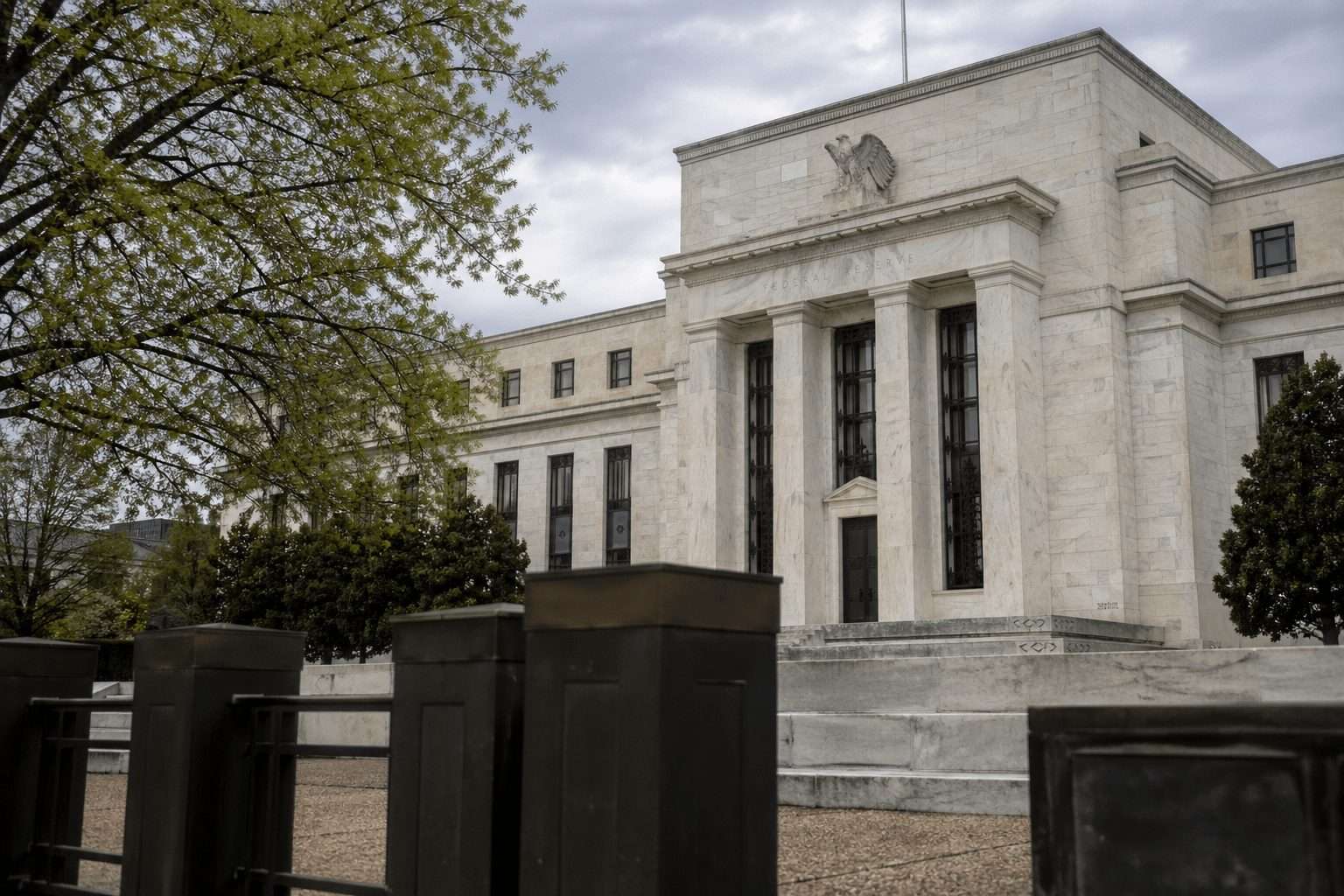
The Federal Reserve looks set to hold rates steady on Wednesday, with Jerome Powell possibly facing his last policy meeting as chair. As the Fed’s inflation battle continues, the leadership transition is picking up speed: Kevin Warsh, tapped by President Donald Trump to succeed Powell, is heading for a Senate committee vote that’s also slated for Wednesday.
This isn’t your standard rate call. Powell’s chairmanship wraps up May 15, though his spot on the Fed’s Board of Governors doesn’t expire until January 2028. That sets up an open question: does he bow out entirely or stick around as an internal counterweight?
The Senate Banking Committee has scheduled an executive session for 10:00 a.m. EDT to vote on Warsh’s nomination for Fed governor and Board of Governors chair. The session is set for Dirksen Senate Office Building room 538, according to the official calendar.
Policy remains tight. Back in March, the Federal Open Market Committee—the Fed’s group in charge of rates—kept its federal funds target range locked at 3.50% to 3.75%, noting inflation was still “somewhat elevated.” That federal funds rate, the benchmark for overnight lending, is the Fed’s lever to influence borrowing costs economy-wide. Federal Reserve
The March meeting minutes painted a divided outlook: sluggish hiring signaled the need for restraint, but climbing oil prices amid Middle East tensions fueled worries that inflation might stick above target longer than hoped. A number of officials thought it would make sense to characterize upcoming rate decisions as open in both directions—either a cut or a hike—left riding on the data.
Oil’s back in the spotlight alongside Powell. Brent crude jumped to $114.29 a barrel Wednesday, according to Reuters. Investors are eyeing moves from the European Central Bank and Bank of England later this week, with rising energy prices renewing inflation fears in major economies.
JPMorgan’s chief U.S. economist Michael Feroli pointed out that with labor numbers running hot and inflation still elevated, talk at the Fed could tilt “more hawkish.” Still, he doesn’t see policymakers hinting at rate hikes just yet. The Fed statement drops at 2 p.m. EDT, with Powell taking questions at 2:30. Reuters
With the Justice Department dropping its criminal probe into Powell—a development that had rattled some Republicans—Warsh’s path to confirmation looks smoother. Reuters noted all 13 Republicans on the Banking Committee were lining up behind Warsh. Democrats, for their part, are set to oppose, citing concerns about his independence from Trump, who’s kept up pressure for rate cuts.
The Fed isn’t the only central bank under pressure. Out of 50 of the world’s largest economies, inflation estimates for 2026 were bumped up in 44, according to a Reuters poll of roughly 500 economists. Morgan Stanley’s global chief economist, Seth Carpenter, flagged “higher oil prices for the foreseeable future” as investors continue to price in a bigger risk premium. Reuters
Powell’s record sits right at that crossroads: persistently low jobless numbers, inflation running hotter, and his steadfast pushback on threats to Fed autonomy. Reuters points out his time as chair—originally appointed by Trump, then re-upped by Biden—faces scrutiny for the pandemic-era stimulus, the Fed’s lag in tackling inflation, and this latest political standoff over who calls the shots at the central bank.
The transition, though, is hardly straightforward. Should Powell remain on the board, Warsh would take the chair while Powell still holds a vote—an unusual dual-power setup for the Fed. If Powell exits, Trump would have the opening to push his stamp further onto the seven-member board. No matter which way it breaks, the incoming Fed chief inherits the same dilemma: ease up too soon and risk stoking inflation, wait too long and hiring takes a hit.
The market angle is straightforward, if not exactly soothing. There’s no rate change on tap, yet traders are locked in on what Powell says about inflation, oil, and his own prospects—those comments could easily outweigh the policy call.