
NEW YORK, April 29, 2026, 09:06 EDT
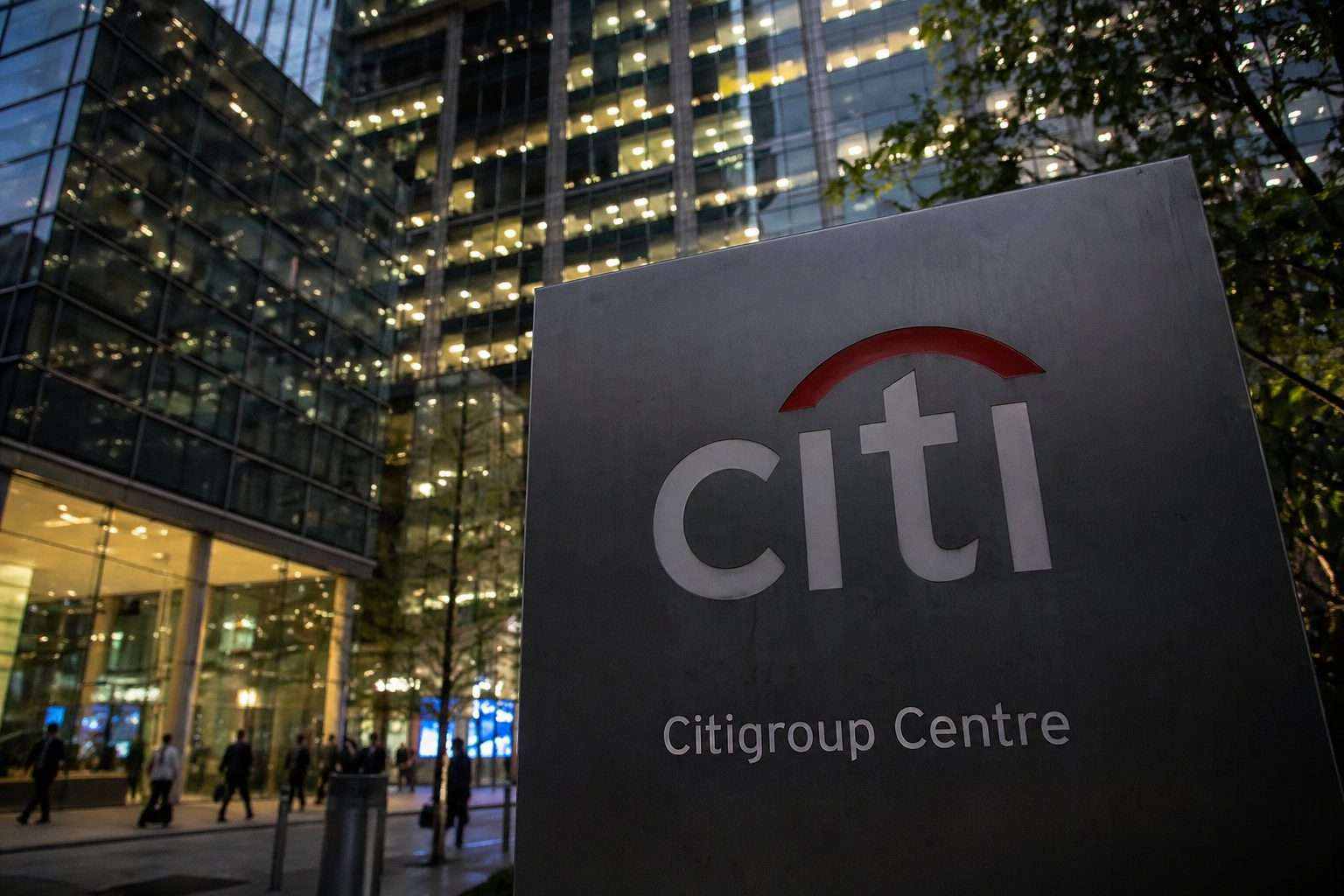
Citigroup’s $52mn move to bring in Vis Raghavan from JPMorgan Chase is facing renewed questions. The Financial Times reported Raghavan was told he’d lost his job at JPMorgan following years of complaints about his conduct—only for Citi to hire him just three days after that decision. According to the FT, Citi offered him the position before his exit from JPMorgan had been made public.
That’s significant: Raghavan isn’t just any new face. Citi put him in charge of Banking and named him executive vice-chair. He’ll answer directly to Jane Fraser and oversee investment, corporate, and commercial banking—areas Fraser still has to strengthen if Citi wants a shot at catching up with larger Wall Street competitors.
Questions are surfacing just as Citi posts some stronger figures. First-quarter revenue reached $24.6bn, with net income at $5.8bn. Banking revenue moved up 15% to $1.8bn. Fees from investment banking—advisory, debt, and equity work—climbed 12%.
Citi pushed back on the description of the hiring process, telling the Financial Times it was “mischaracterised.” According to the bank, the search started in January 2024, stretched for over a month, and involved both internal and external diligence. Senior leadership and the board were directly involved. Citi described Raghavan as “a proven leader” with a strong record. JPMorgan wouldn’t comment to the FT. Financial Times
Investors were already questioning the payout. Citi broke down the $52.25mn linked to Raghavan’s arrival: $39.38mn in deferred equity, $12.87mn in deferred cash. The bank said those awards replaced deferred pay he lost by exiting his previous job. In a separate filing, Citi disclosed Raghavan’s $22.6mn service compensation for 2024—terms set before he joined, aimed at luring him on board.
Back in February 2024, Fraser tapped Raghavan for the role as Citi was cutting management ranks and shifting its structure to focus on five main business lines. Wells Fargo’s Mike Mayo called it a “core change with positive chain reactions” in a note. JPMorgan, meanwhile, overhauled segments of its global banking leadership soon after Raghavan exited. Reuters
Since then, Raghavan hasn’t wasted time. Citi set up its Financial and Strategic Investors group, targeting financial sponsors—think private-equity outfits, sovereign wealth funds, family offices—Reuters reported last week. Lazard’s Klaus Hessberger, now in London, is on board as co-leader.
This isn’t just about who’s coming and going—market share is what’s at stake. Last year, Reuters flagged that Raghavan pulled in around 15 senior leaders from major rivals like JPMorgan, Goldman Sachs, and Morgan Stanley. The talent grab helped Citi secure the number four spot worldwide in M&A, trailing only Goldman, JPMorgan, and Morgan Stanley at the top. Barclays’ Jason Goldberg summed it up: “people make a difference.” Reuters
“It absolutely matters who is backing the deal,” Brian Mulberry, senior client portfolio manager at Zacks Investment Management, told Business Insider, pointing out that Raghavan’s client-facing presence carried weight at Citi. Business Insider
The flip side is biting harder. Citi’s banking operating costs jumped 20% to $1.2bn in the first quarter, a rise chalked up to bigger pay packets, more staff, and stepped-up business investment. If deal flow dries up or that FT report drags on morale or hiring, justifying those expenses gets tougher.
For Fraser, it’s not simply about Raghavan’s ability to deliver mandates anymore. The bigger test: Can Citi actually show investors that governance on this crucial hire is as robust as the scale of the gamble?