Washington, April 29, 2026, 13:02 EDT
- Georgetown Law professor Randy Barnett drew fresh scrutiny after a post about Barack Obama and the White House Correspondents’ Dinner shooting.
- The backlash comes as Barnett’s work on birthright citizenship sits inside a wider fight over the 14th Amendment.
- Federal prosecutors have charged Cole Tomas Allen in the April 25 attack at the Washington Hilton.
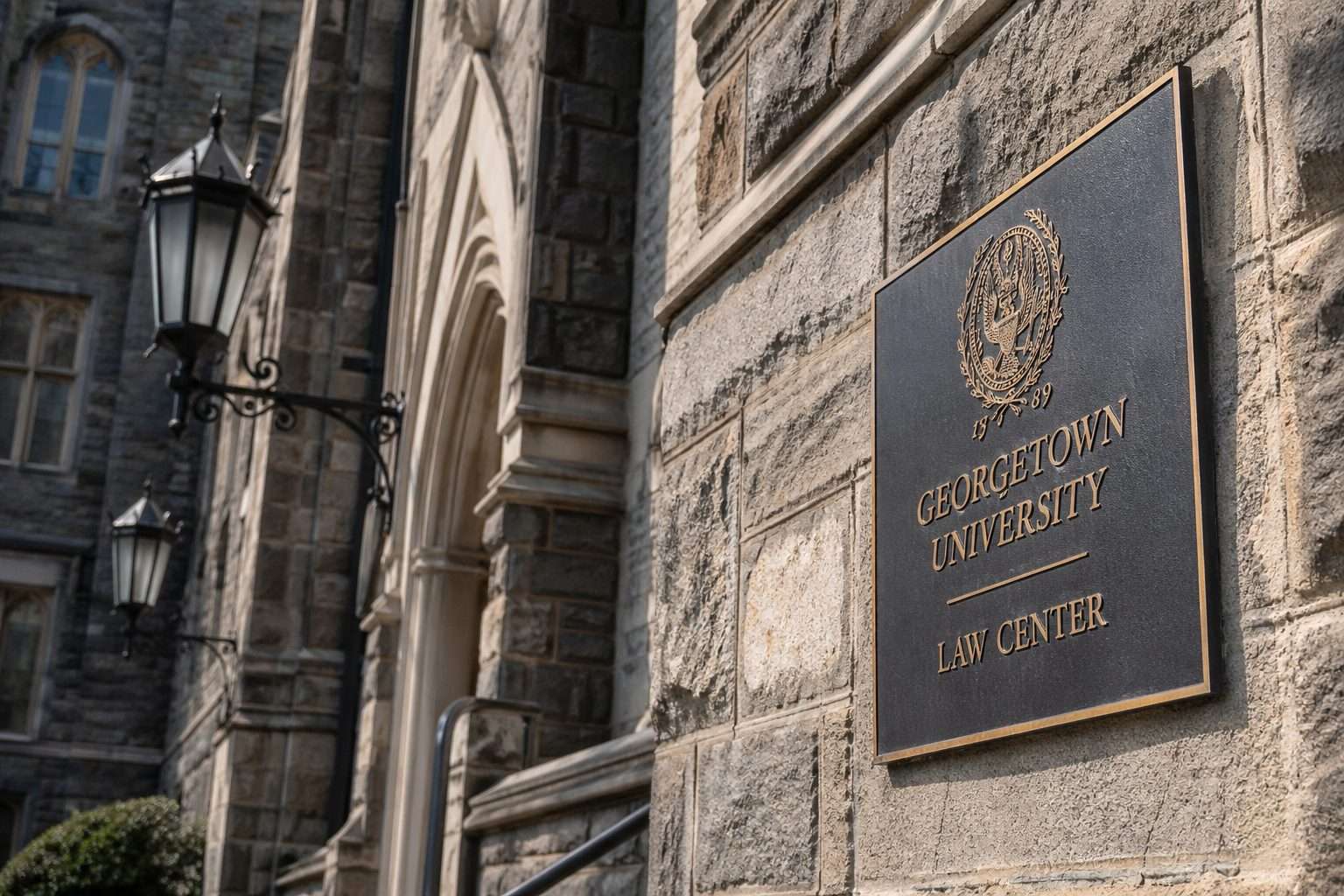
Georgetown Law professor Randy Barnett faced a new wave of criticism after reports said he posted that “If Obama had a son,” he would attack the White House Correspondents’ Dinner like Cole Allen, the man charged in the April 25 shooting outside the event’s ballroom. Critics described the post as racist and called on Georgetown to respond. Atlanta Black Star
The timing matters because Barnett is not only a faculty member caught in a social-media fight. He is also a prominent conservative constitutional scholar whose recent work has been tied by commentators to President Donald Trump’s attempt to narrow birthright citizenship, the rule that most people born on U.S. soil are citizens at birth.
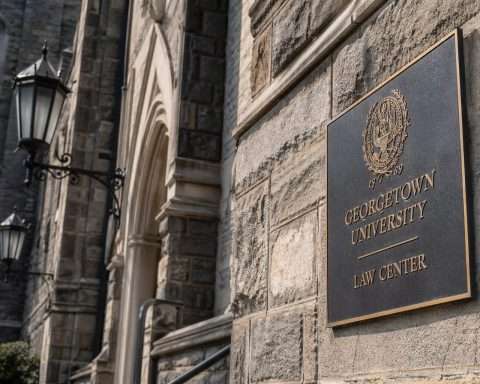
Georgetown’s faculty page lists Barnett as the Patrick Hotung Professor of Constitutional Law and faculty director of the Georgetown Center for the Constitution. It also lists his 2021 book, co-authored with Evan Bernick, as The Original Meaning of the Fourteenth Amendment: Its Letter and Spirit.
Barnett’s post appeared to invoke Obama’s 2012 comment after Trayvon Martin’s killing: “If I had a son, he’d look like Trayvon.” That line, made after the death of an unarmed Black teenager in Florida, has long been a target of conservative criticism and was cited in coverage of Barnett’s post. Atlanta Black Star
The controversy landed in a tense week in Washington. The Justice Department said Allen, 31, of Torrance, California, was arraigned Monday on charges including attempted assassination of the president, interstate transport of a firearm and ammunition with intent to commit a felony, and discharge of a firearm during a crime of violence.
Authorities said Allen reserved a room at the Washington Hilton on April 6, arrived in Washington on April 24 and approached a security checkpoint at about 8:40 p.m. on April 25 while holding a long gun. The Justice Department said a Secret Service officer wearing a ballistic vest was shot once in the chest; the officer survived.
Acting Attorney General Todd Blanche said Allen would face “the full weight of federal justice,” while U.S. Attorney Jeanine Pirro said there was “no room in this city for political violence.” Those statements helped set the official frame for the case: a criminal prosecution, not just another partisan fight. Department of Justice
New court filings added detail Wednesday. Prosecutors said Allen took a photo of himself in his hotel room minutes before the attack, wearing an ammunition bag, a shoulder holster and a sheathed knife, and asked that he remain in custody ahead of trial. His lawyer, Tezira Abe, said he had no criminal record and “is presumed innocent at this time.” AP News
There is still uncertainty over the shooting sequence. The Washington Post reported that surveillance footage it reviewed did not show a visible muzzle flash from Allen’s shotgun, even though authorities charged him with discharging a firearm; the paper said the footage clearly showed a Secret Service officer firing four times.
That uncertainty is the risk around the case and the politics around it. If later evidence changes the public account of who fired, when and how the officer was hit, it could alter both the prosecution’s narrative and the wider debate over security failures at the dinner.
Trump initially urged calm after the attack, saying Americans should resolve differences peacefully, but later used the incident to argue for a secure White House ballroom and to cast the shooting as proof of his political impact. Reuters reported that Trump said, “When you’re impactful, they go after you.” Reuters
The Barnett dispute also lands as the Supreme Court weighs Trump’s birthright-citizenship push. A Reuters/Ipsos poll found that 64% of Americans oppose ending birthright citizenship, while 32% support doing so; the court is expected to rule by the end of June.
Trump’s January 2025 executive order argued that the 14th Amendment has not always extended citizenship to everyone born in the United States, citing the phrase “subject to the jurisdiction thereof.” Opponents say that reading would strip citizenship from children long understood to be covered by the amendment. The White House
For Georgetown, the issue is narrower but still difficult: whether a professor’s online remark becomes an institutional problem for a law school whose faculty includes nationally known scholars on both sides of constitutional disputes. For Barnett, the backlash has tied one post to a bigger question now before the courts — who gets to define the 14th Amendment in 2026.