
SEOUL, March 29, 2026, 03:07 KST
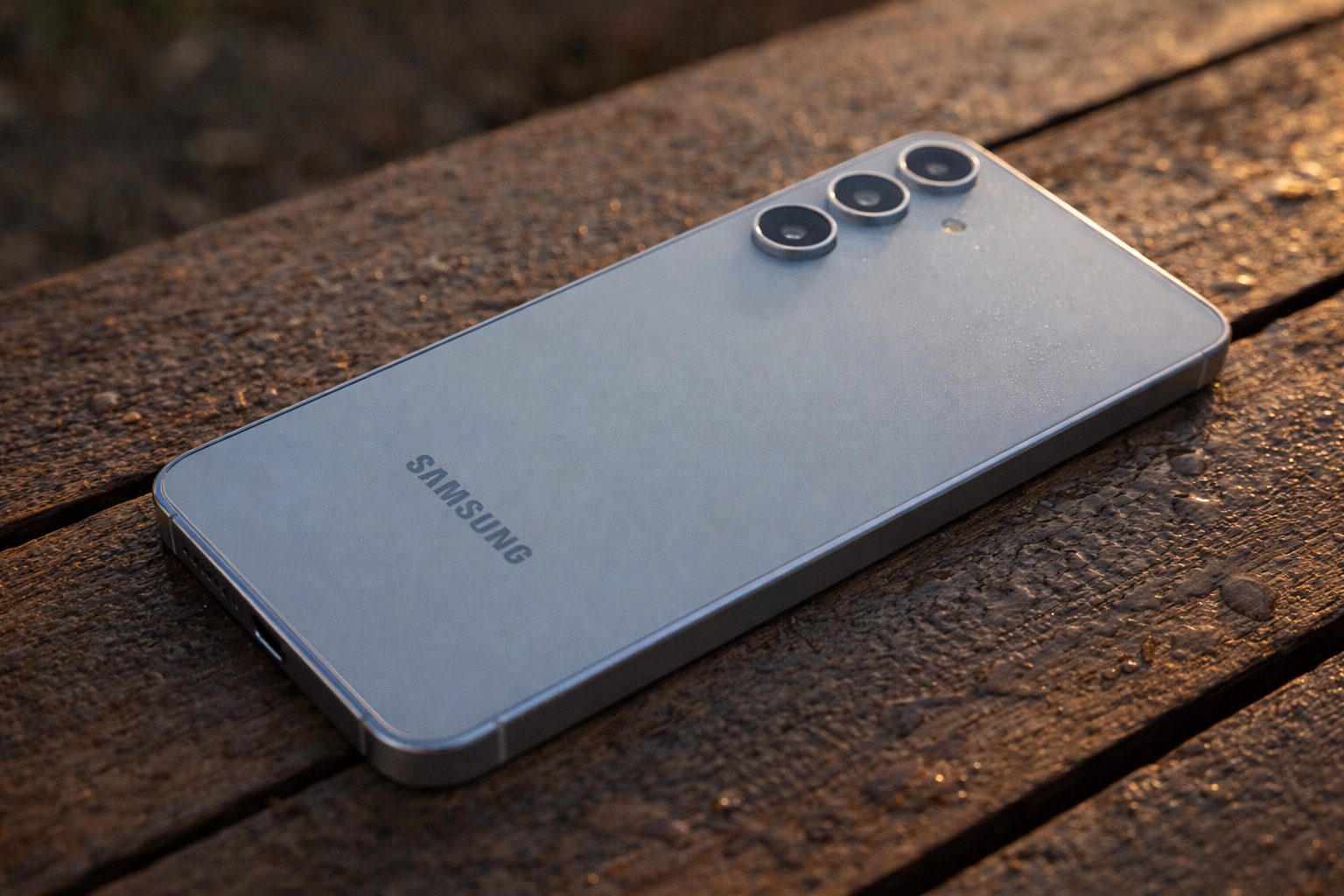
Samsung on Thursday confirmed it’s rolling out the One UI 8.5 beta—the latest version of its Android skin—to a broader set of Galaxy devices. The expanded program now covers older models, with phones like the Galaxy S24 series, Galaxy Z Fold6, Galaxy Z Flip6, Galaxy S25 FE, Galaxy S24 FE, and the Galaxy Tab S11 all making the list. The beta is hitting markets such as India, South Korea, Britain and the United States.
This is significant now that the update isn’t just landing on Samsung’s latest top-shelf phones. Owners of last year’s premium models are getting a shot at software that debuted with the Galaxy S25 series, Galaxy Z Fold7 and Galaxy Z Flip7. The company said the beta rolls out to additional devices in April, and users can sign up via the Samsung Members app.
Samsung’s Galaxy S25 FE stands out in that effort. According to SamMobile on March 26, the company rolled out the One UI 8.5 beta for the device in South Korea and India, with the initial download weighing in at roughly 4.5 gigabytes. Britain and the U.S. are next in line, SamMobile said.
Samsung rolled out the One UI 8.5 beta in December, billing it as an upgrade focused on productivity, stronger security, and smoother cross-device connections. Standout changes included tweaks to Photo Assist, Quick Share, Storage Share, plus beefed-up theft protection. Then, in a February update, the company put a reworked Bixby at the heart of the new software.
Samsung’s mobile business COO Won-Joon Choi says the company “redesigned Bixby to enable more natural interactions and intuitive device control,” aiming to push its voice assistant into more practical, everyday use—and make troubleshooting smoother. Samsung Global Newsroom
Elsewhere, there’s a more targeted tweak showing up in One UI 8.5. According to Android Authority, hands-on testing with an Exynos-based Galaxy S26 Plus reveals the Linux Terminal — that’s Samsung’s onboard Linux environment — is now able to launch graphical apps and tap into a broader swath of the device’s shared storage. Previously, access was mostly confined to command-line use and the downloads directory.
That shift would align Samsung more closely with how Google handles Android updates these days. Google’s Android 16 QPR2 update, described as a quarterly platform release, extends the Linux development environment so users can now run graphical Linux apps straight from the terminal. Pixel phones are already equipped to use it, according to Android Authority.
Still, the launch isn’t without the typical beta headaches. Samsung hasn’t committed to a firm timeline for a stable One UI 8.5 rollout, only noting that more devices are set to enter the beta in April and actual release schedules will depend on the region. SamMobile has already flagged that these early test versions can mean bugs, shaky performance, and reliability hiccups—especially if you’re relying on your phone every day.
Samsung kicked off the One UI 8 update for older Galaxy models last September, launching first on the Galaxy S25 series. The most recent beta rollout points to the company accelerating how quickly it pushes fresh features to more devices. For anyone with a Galaxy outside the initial group, April stands as the next target.