
LONDON, May 14, 2026, 11:04 BST
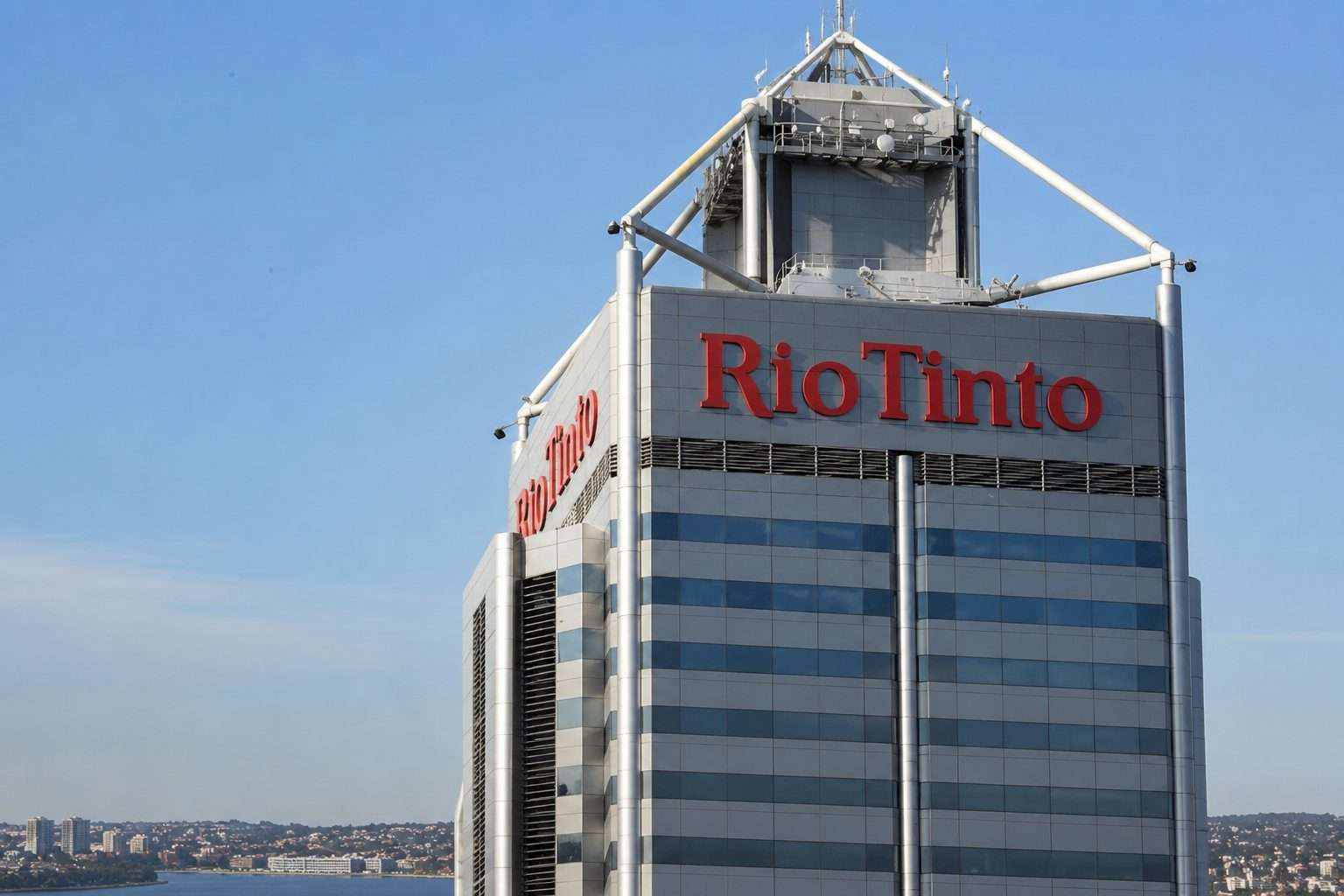
Rio Tinto plc on Thursday tapped Trudi Charles, a longtime BP executive, as chief legal officer, governance and corporate affairs. The mining group, pushing further into copper and eyeing the critical minerals surge, slots Charles into a key risk and compliance seat. According to a regulatory notice, the news hit the ASX and LSE at 07:30 BST, with Charles due to start on Aug. 1.
The title isn’t really the story here. Shares of Rio Tinto ended Wednesday at £82.72, up 4.44%—hitting a fresh 52-week high—as the FTSE 100 added 0.58%. That kind of rally is making even routine executive moves stand out more.
Copper is front and center. U.S. COMEX copper prices just touched fresh highs, with traders sifting through a pile of factors: mining hiccups, a squeeze in concentrate, sulphuric acid shortages that complicate processing, and heavy demand streaming in from AI data centers, grid upgrades, and clean-energy projects, according to Shanghai Metals Market.
Charles holds the role of deputy general counsel and senior vice president for legal, supply, trading and shipping at BP plc. According to Rio Tinto, her career at BP spans over two decades, and before that, she put in close to eight years at Herbert Smith Freehills Kramer, working in both London and Hong Kong. “Trudi brings deep legal experience and strong commercial insight,” Chief Executive Simon Trott said. Rio Tinto
Her role will probably keep her near Rio’s ongoing growth issues. Earlier this week, the company projected a roughly 13% jump in copper production by 2030, with most of that growth coming from Oyu Tolgoi in Mongolia and Kennecott in the U.S. Still, Rio flagged lengthy permitting timelines and sluggish mine supply expansions worldwide.
Still, having big plans for copper isn’t the same as generating actual returns. McEwen Copper has inked a deal that puts an international financial institution in charge of a $2.4 billion loan package for Los Azules in Argentina—just part of an overall $4 billion raise. Rio Tinto, via its Nuton copper leaching arm, owns a 17.2% stake in the project. The leaching process uses liquids to extract metal straight from the ore. Los Azules is aiming to kick off production around 2029 or 2030, with output projected at 204,800 metric tons of copper cathodes a year for its first five years.
Competitive forces are in play as well. Thursday in Sydney, BHP and Rio Tinto each climbed about 1%, pushing to new record highs and providing some relief from losses elsewhere on the ASX 200, according to MarketIndex.
Prediction markets aren’t buying the odds of a rapid Glencore move. On Polymarket, traders put just a 1% probability on any Glencore-Rio Tinto sale or merger getting announced by June 30. Volume came in around $40,713.
On Kalshi, copper contracts leaned less heavily in one direction, but price bets stayed strong. As of May 29, the market put a 55% chance on copper topping $6.35 a pound, and a 34% chance it breaks above $6.41. Plenty of space remains for a pullback, even following the record surge.
The legal handover doesn’t move Rio’s share price on its own. Still, slotting a BP-trained lawyer onto the executive bench lands just as permits, partnerships, financing and M&A discipline all come into sharper focus—perhaps as much as the ore bodies themselves. Copper is what investors care about now. Execution is where it gets tricky.