
Caracas, May 1, 2026, 08:06 VET
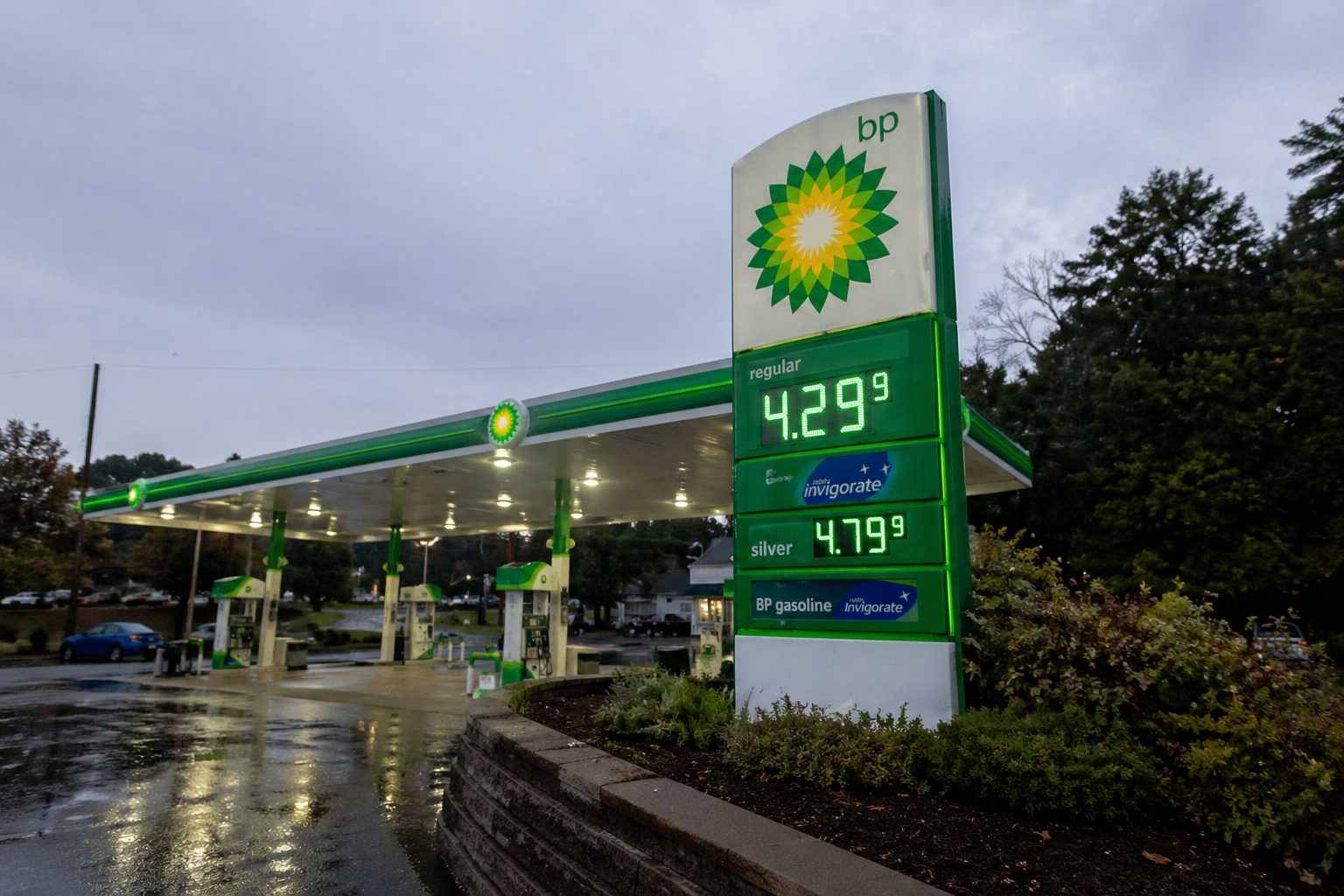
BP has inked a memorandum of understanding with Venezuela to jointly develop the Cocuina-Manakin gas field and look into potential projects in the offshore Loran region—marking the energy giant’s return to a country now seeking to attract fresh foreign investment. The memorandum, known as an MOU, signals intentions for cooperation but stops short of confirming imminent production.
Timing is key here. BP’s new CEO, Meg O’Neill, is working to reshape the company for better oil and gas profits, less debt, and a leaner setup after a turbulent stretch. In Venezuela, officials are striking energy deals to lure Western producers once more, following years of sanctions and political turmoil.
BP’s deal comes on the heels of similar agreements struck by Eni, Repsol, and Shell in Venezuela, reflecting Caracas’s broader strategy to revive dormant oil and gas ventures rather than settling for isolated deals. Just this week, Eni inked an agreement to restart a heavy crude operation in the Orinoco Belt. Shell and Repsol have each signed comparable deals in recent weeks, according to Reuters.
Sitting right on the maritime boundary with Trinidad and Tobago, Cocuina-Manakin straddles two jurisdictions. Its Venezuelan portion belongs to the dormant Deltana Platform, while BP, through a local subsidiary, controls the Trinidadian side under Block 5b. BP’s plan? Unlock over 1 trillion cubic feet of gas and send it to Trinidad, where it gets converted into liquefied natural gas—a super-cooled product ready for export via tanker.
“This is the return of BP to Venezuela,” Acting President Delcy Rodríguez told attendees at the signing event in Caracas, Bloomberg reported. BP Executive Vice President William Lin was also present and took the stage. BP said the memorandum of understanding outlines “potential areas for co-operation in material gas and future exploration.” Energy Connects
BP has a clear incentive to pursue gas at the border. Back in January, David Campbell, who leads BP’s Trinidad and Tobago business, pointed to “industrial logic” for tapping resources sitting near underutilized facilities like Atlantic LNG and Point Lisas. He singled out Cocuina-Manakin, describing it as “an obvious project to have.” Reuters
BP heads into negotiations supported by a jump in short-term earnings. For the first quarter, the company posted underlying replacement cost profit of $3.198 billion, a sharp increase from $1.381 billion a year ago, thanks to what it called an “exceptional” performance in oil trading. That profit figure, BP’s chosen metric, excludes inventory movements and some other factors. Share Prices
The balance sheet remains the key angle here. BP’s net debt climbed to $25.3 billion as of March, up from $22.2 billion at the close of 2025, while the company stuck to its $14 billion to $18 billion net debt target for end-2027. BP is also looking to trim around $4.3 billion from its perpetual hybrid bond capital and left its first-quarter dividend steady at 8.320 cents per ordinary share.
Derren Nathan, who heads equity research at Hargreaves Lansdown, said BP delivered solid results, but noted shareholder payouts are “taking a back seat” while the company focuses on cutting debt. He flagged a potential pullback for the stock, cautioning, “we see some downside risk to the shares” after the recent boost in sentiment. Hargreaves Lansdown
BP traded just fractionally lower in London, with shares at 583.50 pence as of 11:48 local time—off 0.05% compared to the previous close, London South East data showed. The stock finished April 30 at 583.80 pence.
Still, the deal carries its share of risk. Reuters noted BP is waiting on U.S. licensing for Cocuina-Manakin, and cross-border gas ventures like this hinge on clear policies, functioning infrastructure, and cooperation among governments. BP has flagged that Middle East turmoil will drag on its reported upstream output in 2026, with the final hit determined by how long current market conditions persist.