
Cupertino, California, May 5, 2026, 08:16 PDT
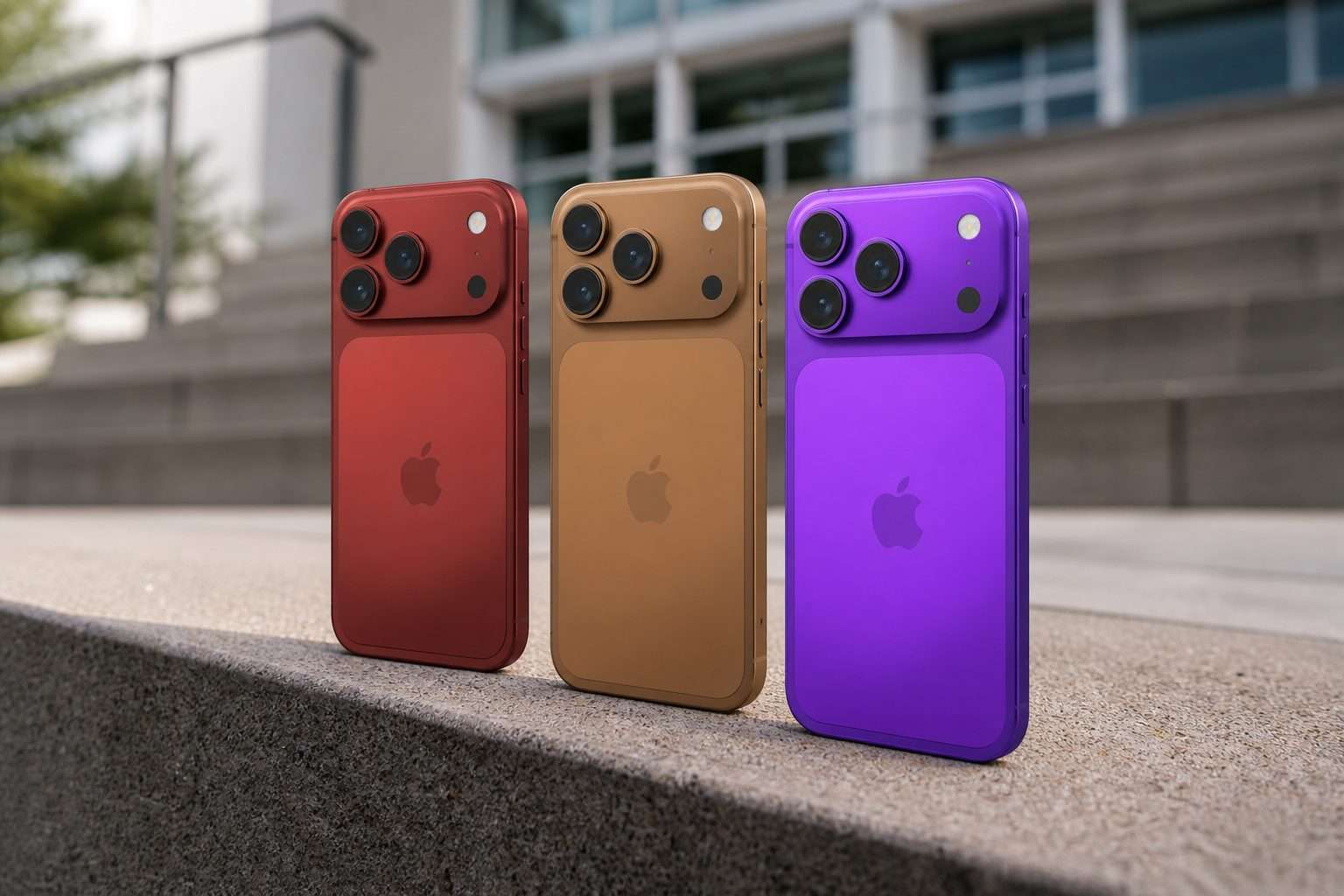
Apple is looking to keep the iPhone 18 Pro line’s starting price unchanged this year, even as higher component costs squeeze margins—a decision that could intensify the rivalry with high-end Android competitors. According to a May 4 Jeff Pu research note cited by 9to5Mac, the company is planning “aggressive pricing” for both the iPhone 18 Pro and iPhone 18 Pro Max. Gadgets 360
This is hitting phone manufacturers right as AI data centers are snapping up DRAM and NAND flash, squeezing supply and pushing up prices. Apple CEO Tim Cook flagged the issue to analysts, warning of “significantly higher memory costs” for the June quarter, adding the effect will be “even more pronounced” later on. Reuters
The report comes as Apple rides a wave of iPhone strength. According to Counterpoint Research, via 9to5Mac, the iPhone 17 claimed the top spot globally for smartphone sales in the first quarter, with the iPhone 17 Pro Max and iPhone 17 Pro rounding out the next two positions. Samsung’s Galaxy A07 4G was the leading Android entry on the list. Harshit Rastogi, senior analyst at Counterpoint, pointed to upgrades on the iPhone 17 that delivered “overall value” compared to older versions. 9to5Mac
Pu isn’t predicting any price drops here. His outlook indicates Apple is likely to stick with the existing U.S. starting prices for its base Pro lineup—$1,099 for the iPhone 18 Pro and $1,199 for the iPhone 18 Pro Max. Those figures are the same as what’s been reported for the iPhone 17 Pro and Pro Max.
Storage is where things get interesting. According to reports, Apple might defend its margins not by hiking the starting price, but by raising prices on models with more storage. There’s also talk from TechRepublic that a 2TB Pro Max could be in the works, relying on Quad-Level Cell (QLC) flash memory—this tech squeezes extra data into the same physical footprint.
The Pro Max is picking up a distinct design buzz. According to GetNavi, dummy units—those non-functional prototypes case makers rely on ahead of launch—point to a thicker camera region on the iPhone 18 Pro Max. The black glass that surrounds the lenses? It looks like it’ll stick out even more compared to what’s on shelves now.
According to MacRumors, which referenced Max Tech’s Vadim Yuryev, the dummy unit measures 11.54 mm thick at its widest point—the camera plateau—compared to 11.23 mm for the iPhone 17 Pro Max. Add in the lens protrusions and the thickness climbs to 13.77 mm, up from 12.92 mm. The article pointed to potential camera enhancements, such as a variable aperture setup that lets in different amounts of light.
Competition remains stiff. Just last week, Samsung Electronics warned that the memory shortage could get worse by 2027, with AI demand pushing prices higher. Reuters also noted that more expensive conventional chips hit Samsung’s mobile segment, dragging first-quarter profit down 35%.
Apple hasn’t dodged the storm, though its cushion looks thicker than most. For the fiscal second quarter, the company posted $111.2 billion in revenue—a 17% jump on the year. iPhone revenue broke records for a March quarter, thanks in large part to sustained appetite for the iPhone 17 lineup.
To investors, the short-term outlook looks under control. Apple was last seen changing hands at $280.92, a $4.09 gain from its prior close, early in U.S. trading.
Still, the risks are clear enough. Apple hasn’t revealed the iPhone 18 lineup or pricing, and those dummy models aren’t always right. Even if the U.S. base price stays put, costs elsewhere could shift, once you account for currency swings, taxes, or storage options. GetNavi also flagged a thicker camera bump that might make existing Pro Max cases a no-go.