
NEW YORK, May 5, 2026, 11:15 EDT
- Amazon Supply Chain Services is now letting businesses outside its marketplace tap into Amazon’s freight, warehouse, fulfillment, and parcel operations.
- Shares of UPS and FedEx tumbled, with investors reacting to fresh concerns over direct competition in corporate shipping.
- The real question: will major shippers actually move substantial volume to Amazon, or will they just tack it on as one more carrier?
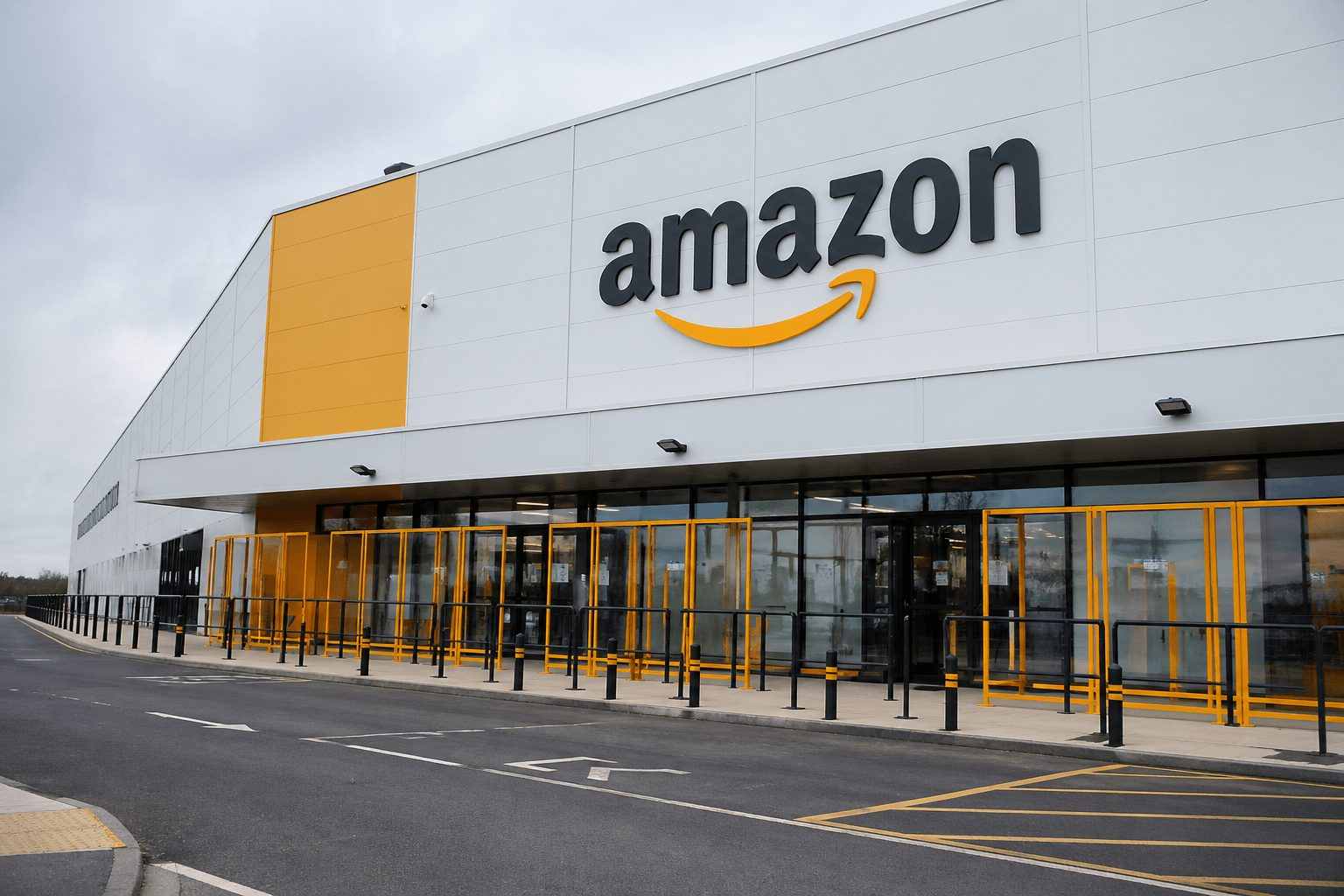
Amazon.com is now letting other businesses tap into its logistics network, transforming what started as an in-house delivery operation for its retail juggernaut into a broader service—one that stores, ships, and moves products for firms from all corners of the economy.
Amazon is stepping up its game in third-party logistics, diving further into handling freight, storage, and delivery for other companies. This latest move lands squarely in the territory of United Parcel Service and FedEx, both of which have long catered to big corporate shippers—now they’re up against a competitor with its own warehouses, aircraft, trailers, and delivery routes. The company introduced Amazon Supply Chain Services, a new offering that spans freight, distribution, fulfillment, and parcel shipping for businesses of every size.
The timing is key: Amazon isn’t just trimming its own shipping bills or stepping back from old-school carriers anymore. Now it’s actually marketing the network itself. According to the company, ASCS will target industries like healthcare, automotive, manufacturing, and retail—basically offering businesses a way to move materials and finished goods end-to-end on Amazon’s rails.
Monday’s trading hit transport stocks hard. FedEx tumbled over 9% intraday, UPS at one point was off as much as 10%, and GXO Logistics shed double digits. Old Dominion Freight Line slipped more than 5%, Bloomberg reported. According to Yahoo Finance, which cited Jiji Press, UPS finished down 10.47% at $96.31.
Late Tuesday morning in New York, UPS and FedEx shares clawed back roughly 1%, with Amazon up closer to 1.5%. Even so, the market’s stance was clear. Investors are now treating Amazon as a shipping rival, not merely another big client for the sector.
Amazon says Procter & Gamble taps its freight arm for both raw materials and finished goods. 3M relies on the network to shuttle products from factories to distribution hubs. Lands’ End turns to Amazon’s inventory pools to fill orders across its different sales channels. And American Eagle Outfitters? It’s using Amazon parcel shipping for its online business.
Amazon is taking a page from its AWS playbook, according to Peter Larsen, vice president of Amazon Supply Chain Services. “Infrastructure, intelligence, and scale”—that’s what Amazon aims to deliver to outside businesses, Larsen said. The company famously developed its own cloud computing tools, then opened them up to the world. Now, it’s extending that same playbook to logistics. Amazon News
Andrew McLean, CEO of Lands’ End, said the retailer plans to leverage the service to “position inventory closer to customers.” That’s the key test for shippers—speed is helpful, but it only matters if Amazon can maintain consistent service beyond its own platform, especially during peak shopping spikes. Supply Chain Dive
There’s no mistaking the competitive focus. Evercore ISI analysts described the launch as a “direct competitive hit” aimed at parcel shippers like UPS and FedEx, according to Reuters. Parth Tarsania, Equisights Research CEO, put it to Reuters like this: Amazon wants to flip logistics from a “cost burden into an infrastructure product.” Reuters Japan
Baird’s Colin Sebastian is calling the initiative an “AWS of Logistics,” telling MarketWatch it could swell into a $25 billion operation. That’s a big number, but it all comes down to a thorny issue for carriers: can Amazon actually turn its extra, off-peak capacity into profit at scale? MarketWatch
Still, hazards remain. William Blair’s Dylan Carden aired doubts to MarketWatch, asking just how different ASCS really is from the Supply Chain by Amazon rollout in 2023. Big-volume shippers might like having one more choice, but swapping out core freight partners is much slower than replacing a piece of software. It’s going to come down to service, disciplined pricing, and whether customers actually trust Amazon with the job.
Amazon’s got numbers to back this up. According to Supply Chain Dive, ASCS leverages a network that includes over 200 fulfillment centers across the U.S., a fleet topping 80,000 trailers, 24,000 intermodal containers, and more than 100 aircraft. Those intermodal containers, by the way, are the standard boxes that can transfer between trucks, rail, and ships. Two-to-five-day parcel shipping is part of the offering as well.
For UPS and FedEx, the immediate concern isn’t if Amazon will push them aside entirely. Instead, it’s about whether Amazon can grab enough steady, clustered business to squeeze rates and take away volume. Amazon faces a different challenge: can a delivery network tailored for its own customers scale into something trustworthy for outsiders too?