
Pune, May 9, 2026, 00:34 IST
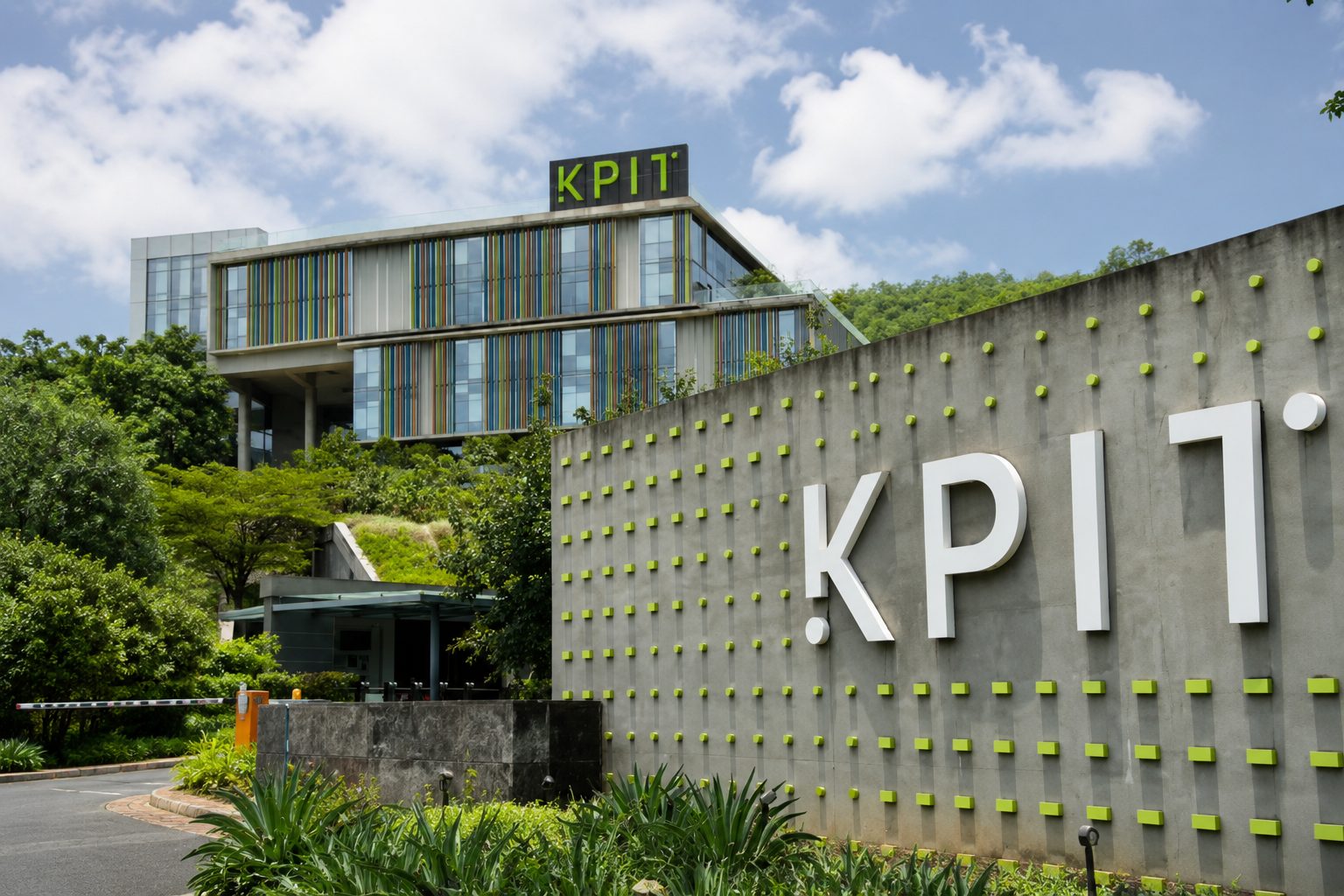
S.B. (Ravi) Pandit, the founder and chairman of KPIT Technologies, passed away Friday morning in Pune, according to a filing with the BSE and NSE signed by CFO Priyamvada Hardikar. The automotive software company, headquartered in Pune, called his death a deep loss, describing Pandit as the driving force behind KPIT’s rise to prominence in India’s mobility software sector.
The timing is key here. KPIT is working to shore up investor sentiment after posting disappointing profits, even as its deal pipeline gained momentum. For Q4FY26, revenue came in around $185 million, with rupee revenue up 12.0% year-on-year. Fresh contracts totaled $349 million—two of those counted as major strategic wins.
With Indian markets shut at the dateline, KPIT shares closed out Friday up 0.9% at ₹729.15 on the NSE. That follows Thursday’s decline, when investors sold off after a 33% year-on-year plunge in March-quarter profit.
Pandit set up KPIT back in 1990, turning a Pune-based IT services outfit into a company focused squarely on automotive and mobility software. Today, KPIT claims a footprint in 15 countries, with its technology running in over 20 million vehicles spanning the United States, Europe, and Asia.
KPIT operates in the software-defined vehicle space, where cars and other machines lean heavily on software for features, performance, and upgrades. In India’s engineering R&D sector, KPIT shows up with Tata Elxsi, L&T Technology Services, and Cyient as key peers. Choice Institutional Equities recently called demand muted but still put KPIT ahead for its edge in software-defined vehicles.
The exchange filing left out both the cause of death and details on who would take over as chairman. Moneycontrol echoed that there’s no information available yet about what led to his passing.
Business and civic leaders offered tributes. Industrialist Mohandas Pai called Pandit a “great Indian and business leader.” MCCIA director-general Prashant Girbane described Pandit as both a “pioneering technology entrepreneur” and an “institution builder,” crediting him with helping define Pune’s industrial and technology landscape. The Financial Express
Just two days ahead of the death announcement, KPIT CEO and managing director Kishor Patil pointed to trade and geopolitical uncertainty as a drag on mobility investment last year. Still, he said, “AI is now core to Automotive Engineering.” President and joint managing director Sachin Tikekar flagged the squeeze on automakers—demand for faster product launches and new features, all while keeping costs down. KPIT
The outlook for the immediate future isn’t straightforward. JM Financial called out “Near-term softness, medium-term outlook intact,” noting that two major software-defined vehicle projects wrapping up in H1FY27 could weigh on early results. PL Capital flagged a “subdued” finish to FY26, pointing to postponed automaker budgets, softer middleware demand, and AI-driven cannibalisation. Business Today
Motilal Oswal stuck to its buy call, bumping up the target price to ₹970. The brokerage described KPIT as among the stronger automotive software ER&D names out there, despite Q4FY26 adjusted profit after tax coming in below its forecast.
Pandit left his mark well outside KPIT. According to the company, he serves as chairman at Kirtane & Pandit Chartered Accountants, has been a co-founder or mentor with organizations like Pune International Centre and Janwani, and stands out as the sole private-sector representative on the Empowered Group for India’s National Green Hydrogen Mission.