
MUMBAI, May 11, 2026, 13:45 IST
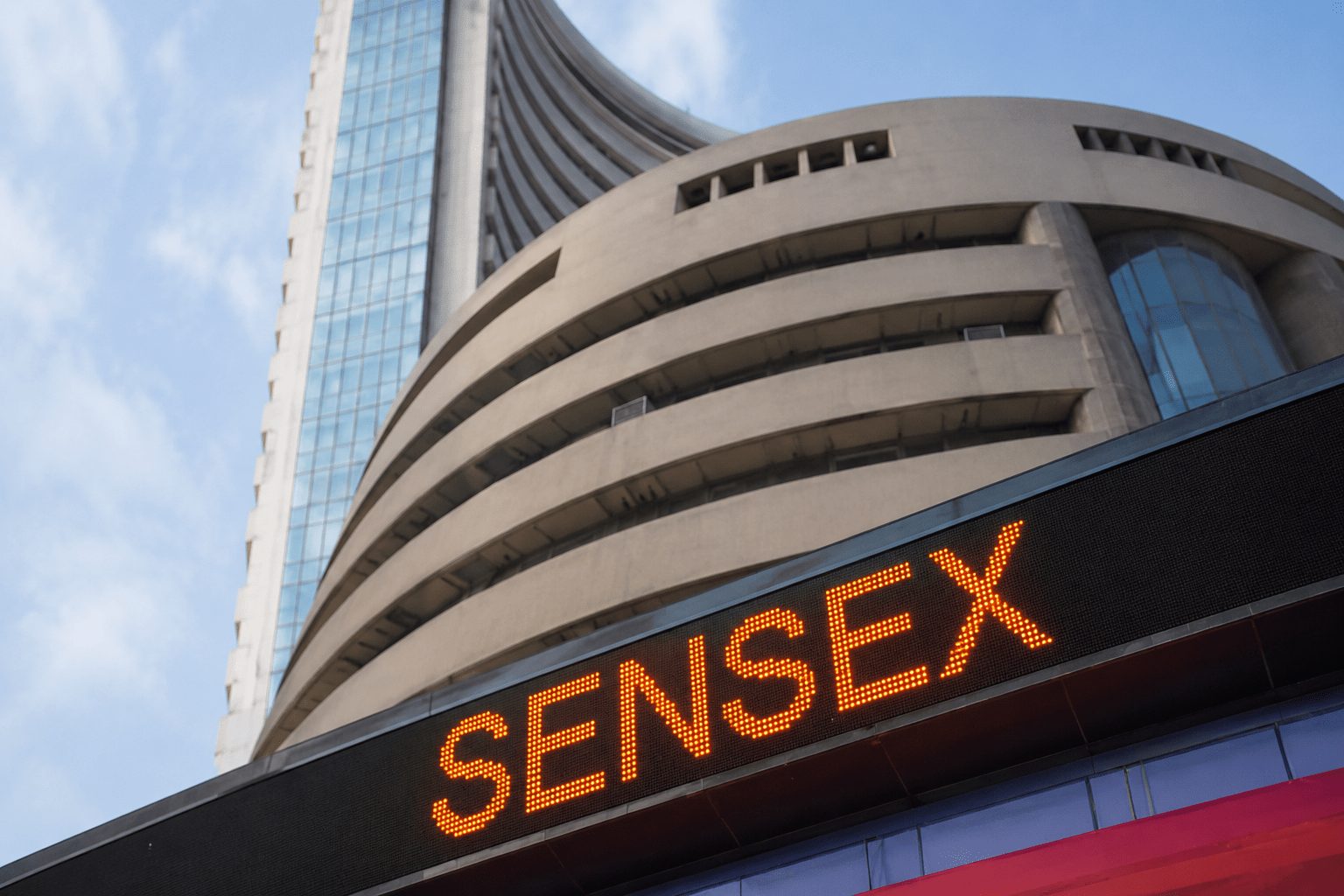
Indian stocks took a hit Monday, with the Sensex tumbling more than 900 points by the afternoon and the Nifty 50 sliding beneath 23,950. The downturn came as crude prices jumped and Prime Minister Narendra Modi urged measures to save fuel and shore up foreign exchange, sapping investor confidence. The Sensex’s early losses had topped 1,100 points.
Brent crude climbing past $105 a barrel has reignited concerns around inflation, the rupee, and India’s trade bill—no small matter for a country so reliant on imported oil. India’s current account deficit reflects it: more foreign currency goes out than comes in, and any spike in oil or gold imports only deepens that gap.
On Sunday, Modi called on Indians to scale back fuel consumption, dust off work-from-home habits where feasible, pick public transit over private vehicles, and hold off on unnecessary gold buys and overseas trips for at least a year. He argued that preserving foreign exchange is critical. Despite a leap in global energy prices, Reuters noted that India—third-largest oil importer and consumer worldwide—has kept diesel and gasoline pump rates steady.
The rupee slipped beyond 95 per dollar, with traders noting state-run banks were selling dollars—apparently acting for the Reserve Bank of India—to curb the slide. Reuters put the currency down 0.75% at 95.1850. The Nifty 50 retreated over 1%. Meanwhile, the yield on India’s 10-year benchmark bond climbed 5 basis points to 7.03%.
VK Vijayakumar, chief investment strategist at Geojit Investments, flagged two headwinds for the market today in comments to The Economic Times—diminished optimism around a West Asia settlement and Modi’s conservation appeal. That appeal, he noted, carries “slightly negative implications” for growth in fiscal 2027. The Economic Times
Sellers dominated across the board. Every sectoral index was down, The Economic Times reported, with consumer durables, realty, media, PSU banks, and autos posting the biggest drops. IT, healthcare, and FMCG managed to hold up a bit better. India VIX, the volatility measure, jumped 10% to 18.50 early on.
Stocks linked to discretionary spending and imports took a hit. According to Times of India market updates, late morning trade saw Titan, IndiGo, SBI, Bharti Airtel and Eternal drag the Sensex lower, while just a handful—Sun Pharma, TCS, Infosys and ICICI Bank—managed to stay in the green.
Modi’s call for restraint on gold purchases hammered jewellery stocks. Senco Gold tanked 8.98%, Titan shed 5.34%, Kalyan Jewellers dropped 7.43%, and PC Jeweller was down 3.89%, according to the Times of India, after the prime minister asked people to hold off on non-essential gold buying for a year.
Travel and oil-related shares took a beating. According to Reuters, Indian Oil, BPCL, and HPCL each slipped roughly 2.6%. Indian Hotels, Lemon Tree, Chalet Hotels, Thomas Cook, and Yatra Online were down anywhere from 1.2% to 5.3%. IndiGo dropped 4%.
Not everywhere was red. Hyundai Motor India picked up almost 5%, with brokerages sticking to “buy” calls even after the automaker posted a 22% slump in quarterly net profit, The Economic Times said. Tata Consumer and MCX also moved higher, shrugging off the broader market’s weakness. The Economic Times
Foreign investors keep heading for the exits. So far this month, they’ve yanked Rs 14,231 crore out of Indian equities, according to the Times of India. Santosh Meena, head of research at Swastika Investmart, flagged ongoing worries over “geopolitical tensions, crude oil prices and rupee movement” as key market drivers. The Times of India
The outlook isn’t nailed down. If crude pulls back or there’s movement on U.S.-Iran negotiations, some of the strain on equities and the rupee could lift; but if disruptions linger at the Strait of Hormuz, investors may see prolonged pressure—fuel, inflation, and currency risk stay stubborn. ANZ analysts noted that even if the sharp oil shock lets up later in 2026, they still expect a geopolitical premium baked into prices.