
SPOKANE VALLEY, Wash., May 12, 2026, 01:20 PDT
Spokane Valley’s city council voted unanimously to ban virtual currency kiosks, adding the city to a rising tally of municipalities cracking down on crypto ATMs in retail spaces. The move follows police reports linking the machines to fraud, major financial losses, and one investigation that led to a suicide.
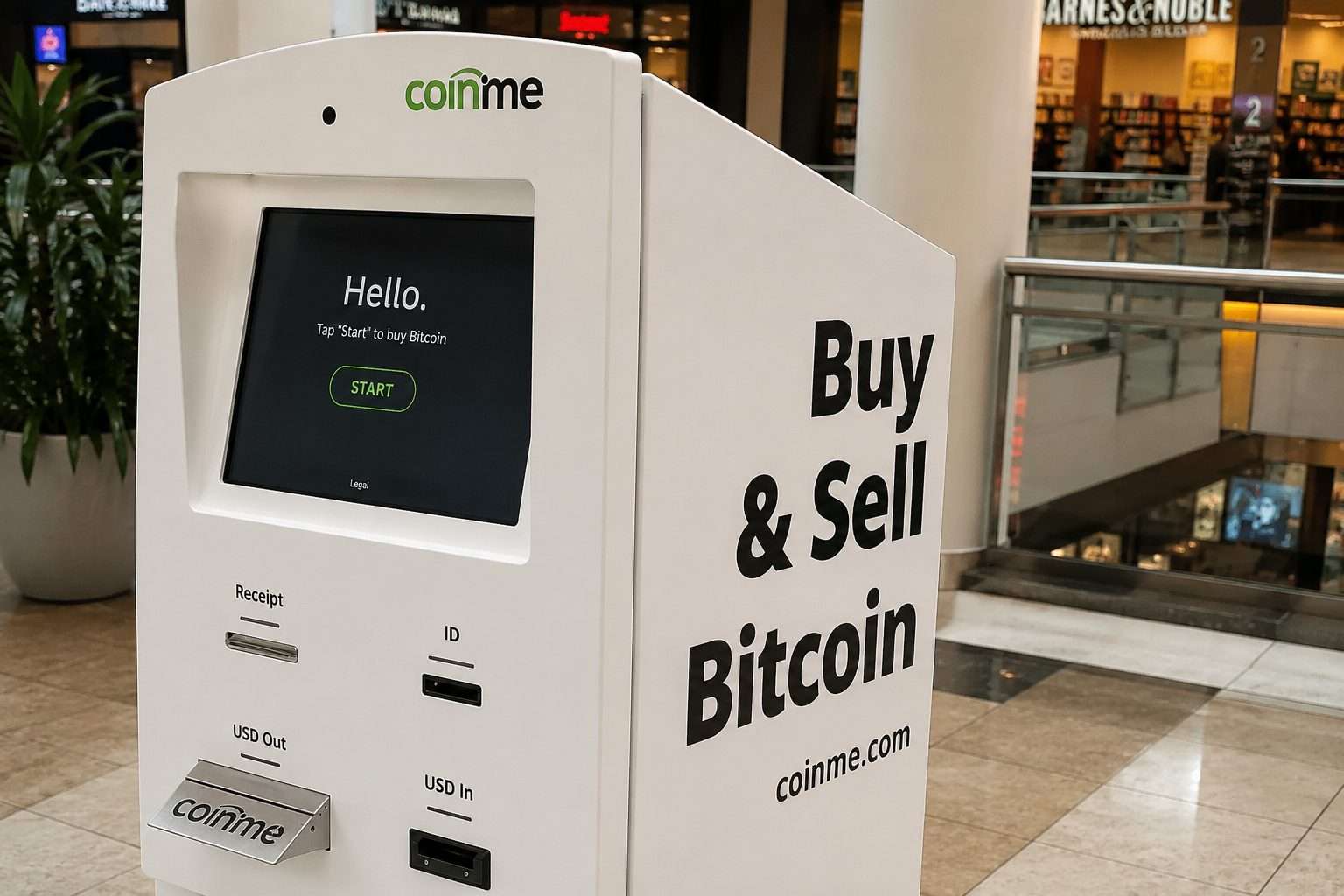
Timing plays a key role here, since these machines are tucked into everyday spots like mini marts, gas stations, even corner stores—and move cash fast. A virtual currency kiosk, also called a crypto or Bitcoin ATM, doesn’t spit out bills; instead, it takes cash deposits so people can buy digital assets. Law enforcement points to that quick turnaround, saying it gives scammers a way to send money out of reach before victims or authorities can react.
Just days ago, Minnesota put its own ban in place. Signed on May 5, the law prohibits anyone from installing, running, or keeping a virtual currency kiosk after Aug. 1, 2026. Any kiosk that’s out in the open or easily accessible has to be taken out by Dec. 31.
Spokane Valley businesses operating kiosks now have 30 days to clear them out, The Spokesman-Review reports. Miss the deadline, and owners could be hit with a $250 fine plus the threat of losing their business license.
Spokane Valley Police Chief Dave Ellis called the machines “a tool to facilitate scams,” pointing out that scammers are steering victims to use them for money transfers. Financial crimes detective Elijah Jones added: after cash gets converted and pushed through a kiosk, there’s no way for police to just pull it back out. Spokesman-Review
Local officials are now facing growing pressure as national fraud numbers pile up. The FBI’s 2025 Internet Crime Report logged almost $21 billion in losses from cyber-enabled crimes, with more than $11 billion connected to cryptocurrency-related complaints. Americans aged 60 and older reported roughly $7.7 billion in losses spanning all types of internet crime.
Federal regulators flagged this channel earlier. Back in August, FinCEN—the financial crimes unit of the U.S. Treasury—noted that convertible virtual currency kiosks, those machines swapping digital assets for cash or other currencies, do have legitimate uses. But they’re also a tool for scammers running tech-support and bank-imposter schemes, FinCEN warned.
Minnesota regulators say easing up on rules hasn’t curbed the losses. The Commerce Department logged 120 virtual-currency kiosk complaints from 2023 through 2025, with losses approaching $1 million. According to Assistant Commissioner Sara Payne, transaction limits and warnings ended up “fairly ineffective.” She told the Star Tribune: “There is no such thing as a safe crypto kiosk in Minnesota.” Star Tribune
Kiosk operators are feeling the squeeze, too. CoinFlip is pushing back, calling on Minnesota to rethink its stance—it wants rules that go after fraudsters, not blanket bans that cut off digital access. At the same time, attorneys general in Iowa and Washington, D.C., have filed lawsuits against Bitcoin Depot, CoinFlip, and Athena Bitcoin, tying them to fraud-related transactions. The companies reject those claims.
Banning kiosks won’t stamp out crypto fraud. Scammers just pivot to exchanges, direct wallet transfers, or whatever rails they can find. Operators point out, too, that some people actually use kiosks because regular banking isn’t an option for them. The real policy debate circles around this: does yanking the cash machine from the corner give potential victims a crucial pause, a moment to pull back before their money disappears?
Crypto wasn’t the only story out of Minnesota this week. On May 5, lawmakers signed off on a public-safety bill forcing officers to report whenever they use chemical irritants, smoke screens, or diversionary devices inside a building—product specifics must also go to owners, tenants, insurers, and cleanup crews. Another statute, taking effect Jan. 1, 2027, blocks certain homeowner-insurance exclusions if the damage comes from peace officers. Colin Hortman’s advocacy, after delays in cleaning up his parents’ home following their deaths, was credited in local coverage for pushing the legislation.