
Newark, New Jersey, May 12, 2026, 14:13 EDT
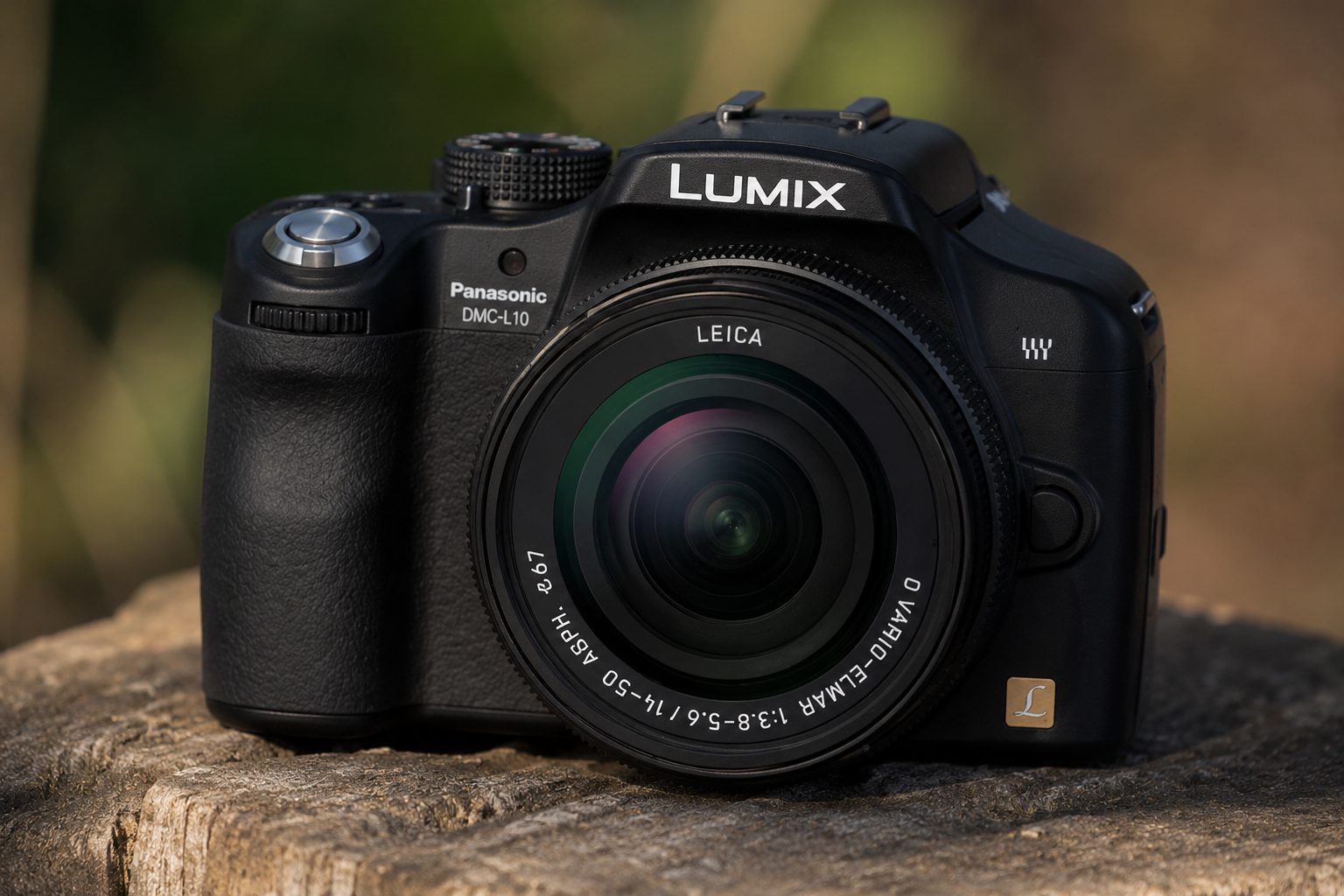
- Panasonic rolled out the Lumix L10, targeting still shooters with a fixed-lens compact build, a Leica-branded zoom, and a 20.4-megapixel Four Thirds sensor packed inside.
- Marking a quarter-century for the Lumix brand, the launch brings Panasonic’s large-sensor compact lineup back into play after years with little action in that corner of the market.
- Base pricing comes in at $1,499.99. There’s also a Titanium Gold special edition—$1,599.99—available only via select outlets.
Panasonic rolled out the Lumix L10 on Tuesday, stepping into the resurging premium compact camera segment with a model built for still photography. The Japanese electronics maker has equipped the DC-L10 with a 20.4-megapixel Four Thirds back-illuminated CMOS sensor, paired with a Leica DC Vario-Summilux 24-75mm equivalent f/1.7-2.8 lens.
Timing is critical here. While smartphone cameras have sidelined many compact options, renewed demand is pulling Fujifilm’s X100, Ricoh’s GR, and Leica’s D-Lux models back into focus. Panasonic’s L10 steps in with its own angle: a sizable sensor, zoom lens, electronic viewfinder, and tactile controls—features aimed squarely beyond the typical smartphone crowd.
Preorders for the standard black and silver models start at $1,499.99, according to The Verge. Panasonic’s Titanium Gold limited edition, tagged at $1,599.99, is set to be sold mostly through the company’s online shop. That version bundles matching accessories and a custom interface, all celebrating 25 years of the Lumix brand.
Panasonic developed the camera in Osaka and plans to offer it in black, silver, and Titanium Gold. This special edition brings a titanium-inspired menu interface, rear branding, and support for screw-in shutter buttons. It’s shipping with an automatic lens cap, a shoulder strap, and a lens cloth in the box.
L10 tips the scale at roughly 508 grams (1.12 pounds), wrapped in a metal chassis with a magnesium-alloy front and saffiano-style textured skin. Up top, a 2.36-million-dot OLED viewfinder—plus a 1.84-million-dot free-angle rear monitor—stands out, especially as some newer compact and mirrorless releases have skipped the built-in viewfinder entirely.
Panasonic is banking on a crowd that still prefers a standalone camera for daily snaps. The lens brings autofocus macro shots from just 3 cm at its widest, and thanks to the sensor’s multi-aspect setup, the angle of view stays steady whether you’re shooting in 4:3, 3:2, or 16:9. That lets users switch up their frame ratios without throwing off composition.
Autofocus features get some spotlight in the pitch. Panasonic puts its Phase Hybrid AF system into the L10, offering 779 focus points along with AI-powered subject recognition—eyes, faces, bodies, animals, even vehicles. The camera handles bursts up to 30 frames per second using the electronic shutter, dropping to roughly 11 fps with the mechanical.
Some reviewers likened the camera to a spiritual follow-up to Panasonic’s LX100 line. Joshua Waller at Amateur Photographer described it as the “long-awaited update to the LX100 II,” highlighting the Four Thirds BSI sensor, the fully articulated screen, built-in EVF, and a 24-75mm equivalent Leica Summilux lens. Amateur Photographer
After spending several hours testing the L10 in Japan, TechRadar cameras editor Timothy Coleman said the camera revives the classic LX100 concept for 2026, only now built around Panasonic’s updated sensor and processor, a 779-point phase hybrid autofocus, and Real Time LUT features. LUTs—short for look-up tables—serve as preset color profiles, giving photographers the ability to preview particular color treatments right in the camera.
Video features are on board, but Panasonic isn’t pitching the L10 primarily to creators. According to The Verge, it records 4K at up to 120 frames per second—though the compact design forces compromises, with heat buildup restricting clip duration. Digital Camera World notes support for 5.6K up to 60p, plus an MP4 Lite mode aimed at quicker edits and simpler sharing.
Price and positioning are the real sticking points here. At about $1,500, the L10 edges into mirrorless territory—cameras with interchangeable lenses—and even sits higher than plenty of older or pre-owned premium compacts. Notebookcheck points out the L10 sometimes retails above Panasonic’s own Lumix S9 full-frame kit. Buyers have to really want that fixed 24-75mm lens, pocketable size, and hands-on controls to justify the spend.
Panasonic says the L10 supports the Lumix Lab app, providing high-speed image transfer, RAW file editing, and what it calls “Magic LUT”—an AI-powered tool that creates custom color looks from images users pick. The setup brings the kind of phone-connected workflow buyers expect now. Still, the pitch lands simply: this is a small camera for those who want the hands-on feel—viewfinder, lens ring, and the classic shutter button. Panasonic