
MONTREAL, May 12, 2026, 16:09 EDT
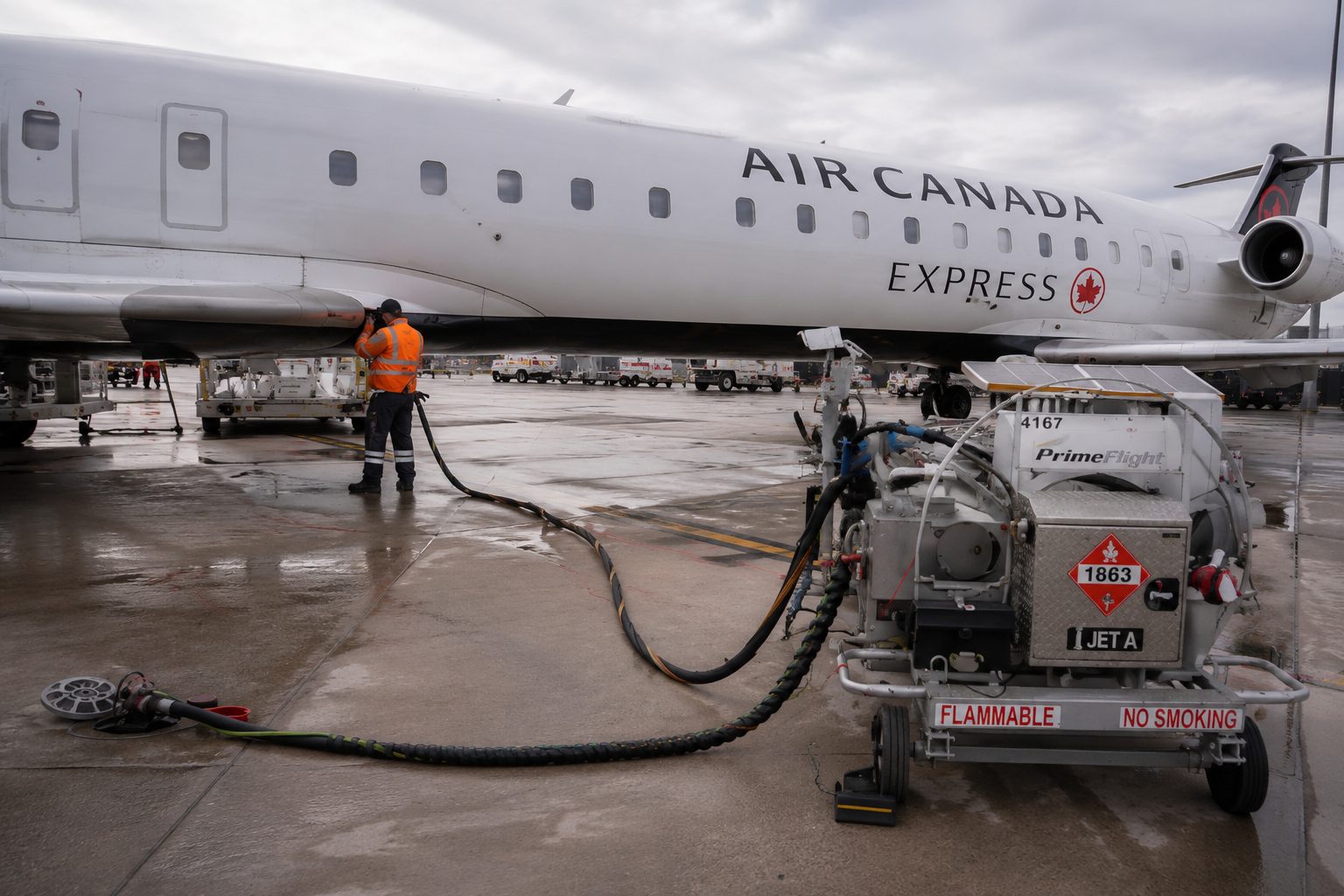
Air Canada is trimming more U.S. routes. The airline has shortened its Toronto-Charleston and Toronto-Sacramento seasonal flights, with Vancouver-Raleigh/Durham now wrapping up ahead of schedule. Montreal-Austin flights are also dropped for part of the fall, as higher jet fuel prices continue to pressure Canadian carriers. According to AeroRoutes, these adjustments were filed last week; the schedule update appeared Tuesday.
Timing is critical here, with airlines scrambling to adjust summer schedules. Air Canada flagged a sharp jump in jet fuel costs—up twofold since the Iran conflict began—that’s turned several marginal routes into money-losers. The carrier is pulling service from JFK, Salt Lake City, Guadalajara, Algiers, and two domestic routes within Canada. It expects the changes to trim available seat miles by about 1% for the year, a metric tracking total seat capacity over distance flown, according to Air Canada.
Air Canada’s international departures are holding steady—Simple Flying’s Tuesday analysis shows a 1% uptick for April through September, averaging 274 per day. Yet, 13 routes didn’t make the cut or saw adjustments. The takeaway: a slimmer, more focused network. Flights stay where demand and fares pencil out, but those less profitable routes, squeezed by fuel costs, get dropped.
Air Canada is pulling the plug on Montreal-Austin service from Sept. 6 through Oct. 18, and the final Toronto-Charleston flight departs Sept. 6. Toronto-Sacramento ends Aug. 1, while Vancouver-Raleigh/Durham wraps up July 29. According to the latest filing, the carrier is also trimming frequencies on several other U.S. routes, including Edmonton-San Francisco, Halifax-Newark, Toronto-Minneapolis/St. Paul, Toronto-LaGuardia, and Vancouver-Miami.
The Montreal-based carrier had previously announced plans to reduce its daily New York flights to 34 from 38 starting June 1, with service to JFK from both Toronto and Montreal suspended through Oct. 25. “Jet fuel prices have doubled since the start of the Iran conflict, affecting some lower profitability routes and flights which now are no longer economically feasible,” a spokesman told Reuters back in April. Reuters
Guidance is feeling the strain as well. On April 30, Air Canada pulled its full-year 2026 outlook, blaming “volatility and uncertainty” in jet fuel prices for the second half. CEO Michael Rousseau told investors the company aims to counter 50% to 60% of the projected extra fuel costs in the second quarter through both commercial moves and cost-cutting. Air Canada
WestJet is leaning on prices instead of tweaking its flight map in certain areas. Chief Executive Alexis von Hoensbroech, speaking with the Financial Post, sounded “pretty confident” that the Calgary-based carrier could push higher fuel costs onto customers bit by bit. “Just logically, there’s no other way, because you’re either passing your costs on, or you’re out of business,” he said. The airline trimmed capacity by about 1% in April, with more to come—another 3% cut in May and 5.5% in June, according to Open Jaw.
WestJet hasn’t escaped network shakeups. According to AeroRoutes on Tuesday, the airline dropped its planned Toronto-Medellin service, which had been set for four flights a week. Airlines are pulling back on shakier new routes before losses mount.
Air Transat is pulling back even more from the U.S. market. According to AOL and an Explore report, the leisure airline’s final U.S. flights will wrap in 2026. Montreal-Orlando service shuts down May 4, Quebec City-Fort Lauderdale follows on May 30, and Montreal-Fort Lauderdale exits in June. That will leave leisure travelers with even slimmer pickings for Canada-U.S. routes.
Canadian demand has cooled as well. According to a University of Toronto tool, median visits from Canada to U.S. metro areas dropped about 42% compared to a year ago. Official border statistics pointed to a 25% decrease, The Guardian reported Monday. Statistics Canada’s most recent travel figures came out April 23 and saw an update on May 10.
There’s a chance these cuts are just the start. Air Canada flagged that an extended or worsening Middle East conflict might shake up energy markets, driving jet fuel costs up or at least keeping them high—airline schedules, as always, could get tweaked after being filed. Should fuel prices back off and travelers stick around, a few seasonal routes could make a comeback. Otherwise, the likely scenario: more cuts in flights, higher surcharges, or both.