
London, May 14, 2026, 13:07 BST
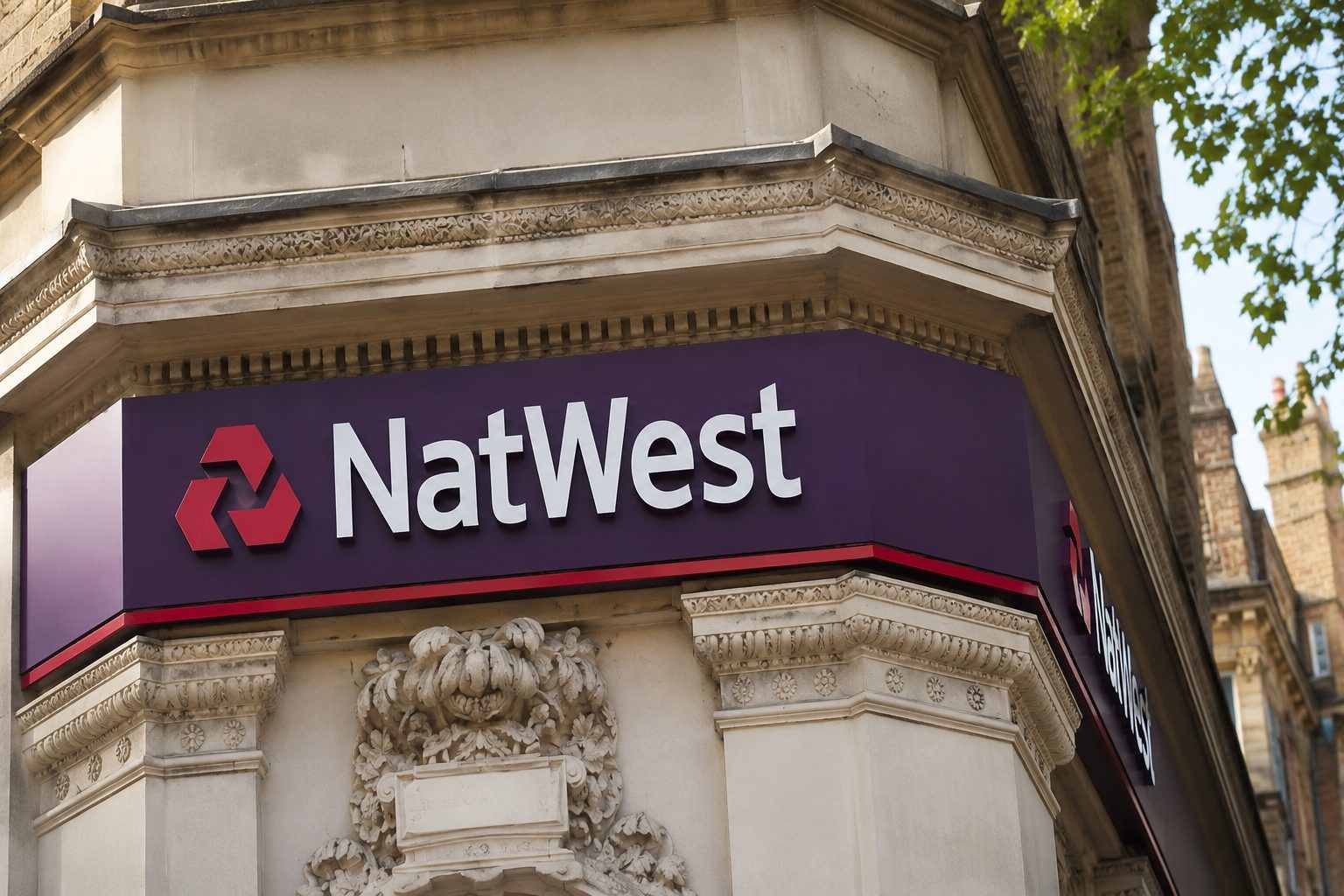
Fitch Ratings bumped NatWest Group Plc’s core banking arms up to AA from AA-, handing the lender a credit upgrade on the same day Britain announced plans to overhaul rules splitting retail banking from riskier trading. NatWest described the outlook for these entities as stable, noting the move came after Fitch revised its bank rating criteria.
Timing is key. The new Enhancing Financial Services Bill from the government aims to overhaul the ring-fencing regime—the rulebook put in place after the crisis that requires major UK banks to separate their retail operations from their investment arms. According to Reuters, the rules target banks holding over £35 billion in retail deposits. That list includes NatWest, Lloyds, HSBC, Barclays, and Santander UK.
This isn’t theoretical for NatWest. The retail bank sits inside the ring fence; NatWest Markets operates beyond it, per customer guidance from the bank. That distinction shapes everything—from corporate client service and shared infrastructure, to capital allocation throughout the group.
National Westminster Bank Plc, the group’s ring-fenced entity, posted a Q1 Pillar 3 CET1 ratio of 11.9%, improving from 11.2% at end-2025, according to a separate disclosure. The same report listed a UK leverage ratio at 4.4%, up from 4.2%.
NatWest shares edged higher in early afternoon trading in London. AJ Bell showed the price at 568.20 pence on the sell side and 568.40 pence to buy, marking a 0.78% gain. Volume sat near 4.16 million shares.
The bank kicked off the week with solid earnings in hand. NatWest on May 1 posted £1.4 billion in attributable profit for the first quarter, while return on tangible equity landed at 18.2%. Chief Executive Paul Thwaite flagged a “more challenging” external backdrop, but still, the bank lifted its income outlook to the upper end of the £17.2 billion to £17.6 billion range. NatWest Group
Analysts are framing it as a tale of two halves: a more resilient bank facing a challenging UK environment. Morningstar’s senior equity analyst Niklas Kammer called NatWest “the best risk-reward trade-off among the UK banks,” though he flagged the risk that ongoing macro uncertainty might lead to heftier loan-loss write-offs. Morningstar
“Guidance took centre stage” following NatWest’s Q1 release, according to Matt Britzman, senior equity analyst at Hargreaves Lansdown. Loan growth, deposit levels, and margins all suggested the business was on steady ground, Britzman noted, but investors still face the threat of weaker economic growth. Hargreaves Lansdown
Rates remain the wild card. On Polymarket, traders pegged the odds of the Bank of England holding steady at its June 18 meeting at 86.5%. Looking further out, a 2026 contract pointed to a 56% chance the BOE delivers at least one hike before year-end.
That’s significant for NatWest: higher rates tend to boost lending margins, but there’s a ceiling. On Wednesday, a Reuters poll showed economists sticking with a Bank of England rate of 3.75% for this year. Still, more than a third now see at least one hike ahead as energy-fueled inflation has started to weigh.
Volatility still hangs over the wider UK market. UK shares climbed on Thursday, buoyed by a first-quarter growth number that beat forecasts, but according to Reuters, investors remain wary—wrestling with political uncertainty, persistent high borrowing costs, and the possibility that bank taxes could climb again.
There’s a catch: the credit upgrade and the regulatory changes might not deliver as promised. NatWest’s improved rating? It’s down to a Fitch criteria tweak, not fresh numbers from the bank. Changes to ring-fencing are still in limbo until the bill and regulatory specifics are nailed down. Should inflation push interest rates higher and gilt market strain intensify, UK banks could face weaker loan demand, shakier borrowers, and less investor interest.