
London, May 14, 2026, 13:16 BST
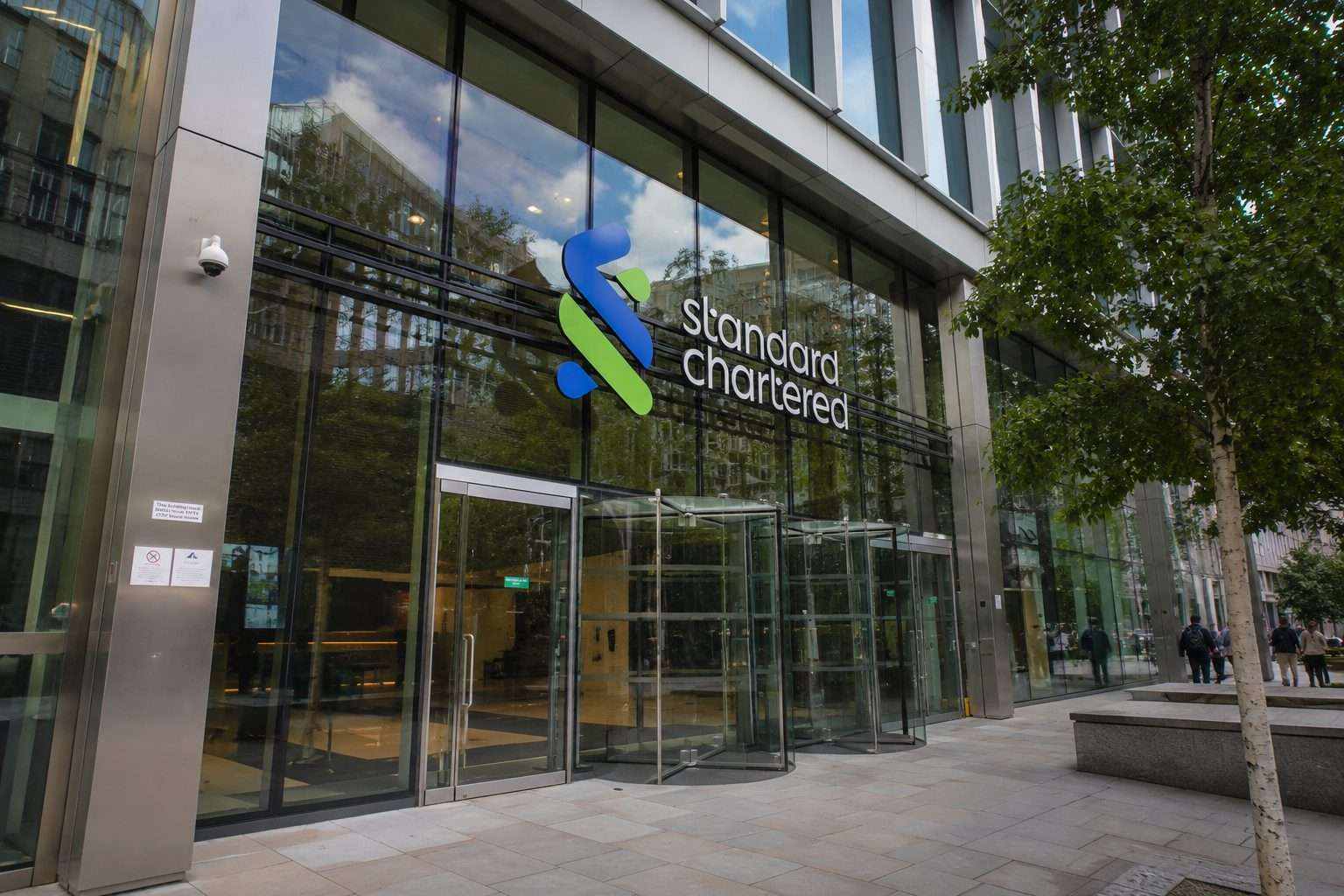
Standard Chartered PLC picked up 801,239 shares of its own stock on May 13, shelling out an average of 1,871.7606 pence per share—roughly a 15.0 million pound buy. The $1.5 billion buyback rolls on, even as credit risks for Asia-focused banks draw scrutiny. These shares will be canceled, trimming the bank’s outstanding ordinary shares to 2,210,827,184.
The timing isn’t arbitrary. Banks often roll out buybacks to flag that they’ve got excess capital on hand. This time, though, those moves are arriving just as investors are digging into loan-loss provisions — the buffer for potentially bad loans — with the Middle East conflict pushing up oil prices, interest rates, and balance-sheet risk for Asia-Pacific lenders.
Standard Chartered shares in London were up 2.64% at 18.86 pounds Wednesday, outpacing the FTSE 100’s 0.58% gain. Still, the stock stayed 2.72% under its 52-week peak of 19.38 pounds logged on May 6.
By March 31, the bank had snapped up 22 million ordinary shares, shelling out $471 million, its first-quarter report shows. Operating income landed at $5.9 billion—up 9%. Profit before tax hit a record $2.5 billion, with the Common Equity Tier 1 ratio coming in at 13.4%, the key gauge of core capital for banks. “A record first quarter performance,” Chief Executive Bill Winters said of Standard Chartered’s showing. Standard Chartered Bank
The worry: those precautionary charges could turn into actual losses if the conflict drags on, keeping oil prices and funding costs stubbornly high. HSBC put aside $300 million for the March quarter, and Standard Chartered took a $190 million charge, both moves flagged by Reuters as signs of caution. Morningstar’s Kathy Chan told Reuters more provisions at either lender were “not impossible.” Gary Ng at Natixis CIB noted that interest rates might stay elevated, squeezing repayment capacity. Reuters
Prediction markets gave little hope for a near-term U.S. rate cut—key for dollar funding and bank margins worldwide. Kalshi’s market for the June Fed decision priced a rate hold right up at the top. Over at Polymarket, odds of no change for June hit 98%, and the chance of zero Fed cuts all the way through 2026 landed at 72%. Banks stand to gain on lending income if rates stay up, though it puts more pressure on borrowers.
Not much of a wait this time. Standard Chartered plans to roll out new strategic initiatives and a medium-term financial framework in Hong Kong on May 19 and 21. Winters, alongside the management team, is slated to present the details.
Most of the bank’s revenue comes out of Asia, Africa, and the Middle East, putting Gulf fundraising, wealth flows, and trade finance front and center for investors—right up there with UK interest rates. Reuters reported on April 30 that first-quarter pretax profit climbed 17% to $2.45 billion, topping analyst expectations, with part of that boost coming from Gulf nations tapping the bond markets.
Right now, the buyback hands investors a precise figure, but leaves the roadmap hazy. The tougher issue ahead of next week’s investor update: Can Standard Chartered continue cutting its share count as provisions, interest rates, and geopolitics all look rougher than they did earlier this year?