
ATLANTA, May 20, 2026, 06:13 EDT
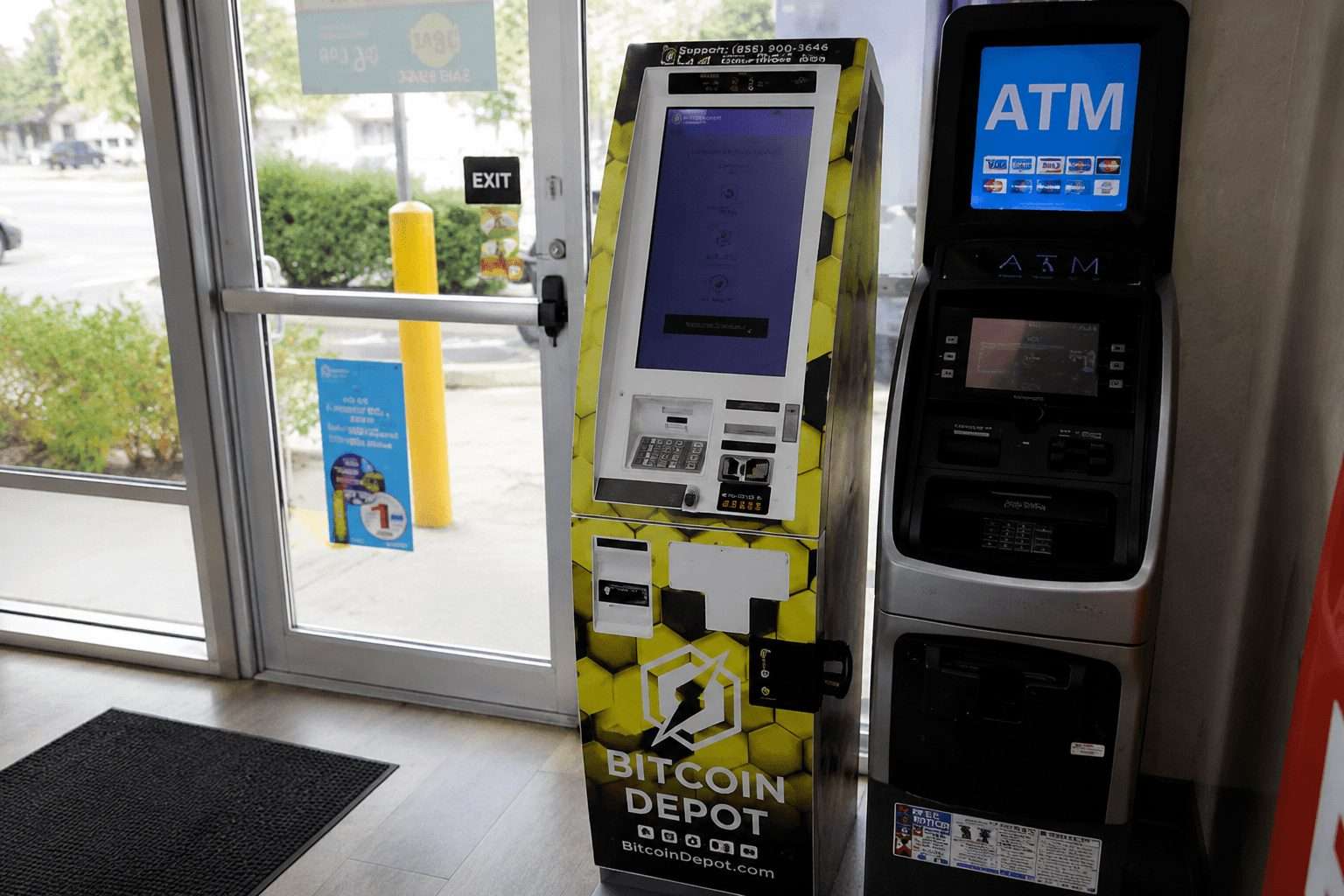
Bitcoin Depot Inc. has filed for bankruptcy protection and turned off its bitcoin ATM network. The company, once a big name in North American cash-to-crypto, now heads for a court-supervised wind-down and asset sale.
Bitcoin Depot warned of “substantial doubt” about staying in business after reporting steep drops in key metrics. In a May 12 filing, the company said first-quarter revenue plunged $80.7 million, or 49.2%, from a year ago. Gross profit dropped 85.5% to $4.5 million. Net swung to a $9.5 million loss after posting $12.2 million of income last year. SEC
Issue extends past just a single Nasdaq stock. Bitcoin ATMs, or bitcoin teller machines, allow users to swap cash for cryptocurrency at kiosks, and have come under more pressure as states set tighter transaction caps, boost ID requirements, and tell operators to shoulder greater fraud costs.
Bitcoin Depot Inc. Chief Executive Alex Holmes said the company is now seeing a “sharply” changed regulatory environment despite adding identity checks, fraud alerts, and cutting transaction caps. “Under these circumstances, the Company’s current business model is unsustainable,” Holmes said. Bitcoin Depot Inc.
Bitcoin Depot (BTM) last changed hands at 56.3 cents before the U.S. open Wednesday. That puts the company’s market cap near $38 million. Shares had already dropped after news of the bankruptcy filing.
Pressure is mounting. FinCEN, the U.S. Treasury’s financial crime watchdog, said last year crypto kiosks often charge fees ranging from 7% to 20%. The agency said scammers like these kiosks because crypto transfers move quickly and are tough to unwind.
Crypto ATM and kiosk complaints hit 13,460 in 2025, according to the FBI’s Internet Crime Complaint Center. Reported losses totaled $389 million. The report said people 60 and older lost $257.5 million of that amount.
The competitive picture is mixed. Iowa Attorney General Brenna Bird filed suit against Bitcoin Depot and CoinFlip in 2025, saying those are the top crypto ATM players in the state. Washington, D.C., meanwhile, took Athena Bitcoin to court, claiming 93% of its District deposits tied to scams.
Echo Base CEO Roshan Dharia told Cointelegraph the filing is “likely a preview” of what’s ahead for the U.S. crypto ATM sector. Dharia said the old way depended on high transaction fees and less oversight to handle compliance, cash logistics, fraud, and sharing revenue with retailers. Cointelegraph
One possible upside is that buyers might pull some machines from bankruptcy and set them up in states with clearer rules and solid volume. But the risk is real—tighter caps, refund rules, lawsuits and lower throughput could make a nationwide kiosk network unworkable even after a sale.
Bitcoin Depot’s Canadian units are part of the U.S. court-run process, and the company said it plans to begin restructuring in Canada. Non-U.S. units elsewhere will shut down under local laws.
For customers, things are murky right now. Chron said it’s not clear what happens to transactions that were in progress when the network shut down, and people caught up in the outage could have to go through bankruptcy to get their money back.