
London, June 18, 2026, 09:30 BST
- BP was down 1.3% at 498.4 pence in early London trade, according to a 15-minute delayed quote.
- Brent crude hovered just above $77 a barrel, holding at the lowest since early March.
- FTSE 100 dropped 0.63% to 10,442.23 as of 09:01 BST.
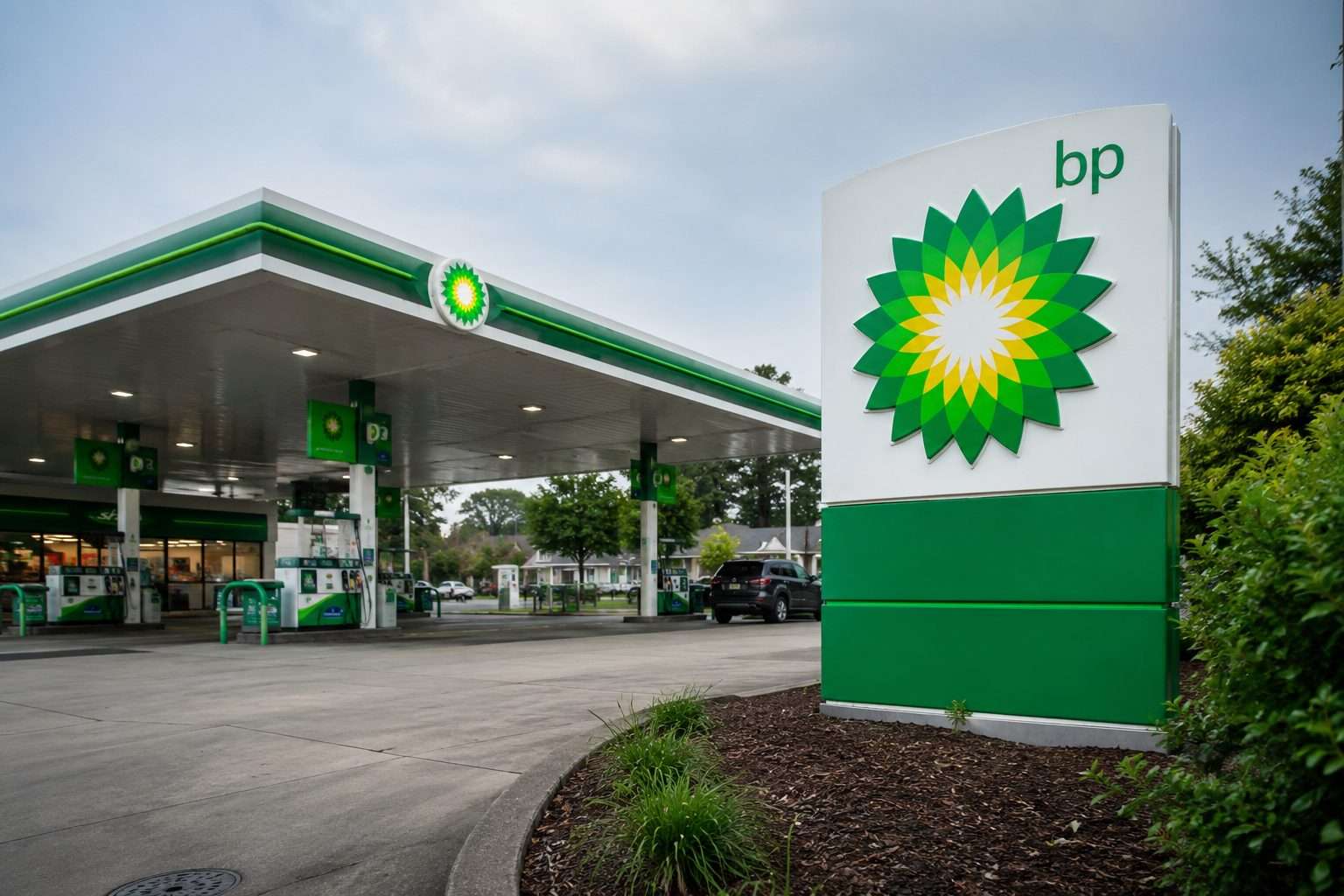
BP shares dropped in early London action Thursday, trading near 499 pence, down about 1.2%. Crude slipped to a 3½-month low after an interim deal between Washington and Tehran that might reopen the Strait of Hormuz and bring Iranian oil back.
BP shares fell again after dropping 1.68% on Wednesday. The stock was trading about 6.8% lower than Friday’s close of 534.5 pence in early action, giving up some of the gains made earlier when Middle East supplies were hit.
This is an issue for Chief Executive Meg O’Neill, who needs cash to back new production and shore up BP’s balance sheet. Net debt hit $25.3 billion at the end of the first quarter—well above BP’s $14 billion to $18 billion goal by the end of 2027. If crude stays down, cash from upstream, the group’s oil-and-gas production arm, could fall.
The 14-point memorandum between the U.S. and Iran sets off a 60-day negotiation window, with a goal to get Hormuz shipping back to normal in 30 days. IG market analyst Tony Sycamore said the energy markets are still “aggressively pricing in a faster-than-expected return of Iranian barrels.” Reuters
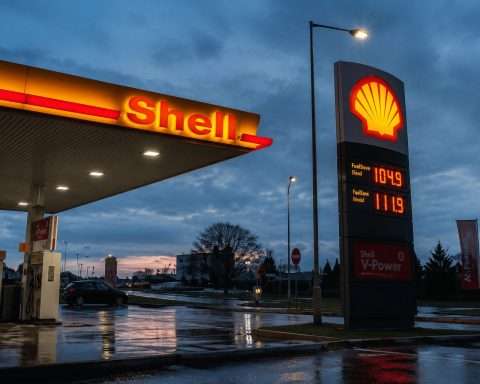
Oil stocks dropped across the board. Shell dropped 1.1% in London and TotalEnergies slipped 0.9% in Paris. BP’s loss was a bit larger than both Shell and TotalEnergies.
BP’s first-quarter underlying profit jumped to $3.2 billion, more than double, as oil trading got a lift from conflict-driven volatility. The company isn’t just about headline oil prices—trading and refining helped dull softer production pricing. But these trading gains aren’t guaranteed to last.
BP is exploring asset sales again. The company has started the process to sell stakes in its Kaskida and Tiber developments in the Gulf of Mexico, each planned at around 80,000 barrels a day, hoping to free up capital while both fields are still being built.
Physical oil supply is still tight. U.S. crude inventories dropped by 17.2 million barrels last week to 758.5 million, the lowest since March 1985. Cushing stocks are near their operational minimums. “Inventories are moving closer to operationally low levels,” Kpler analyst Matt Smith said. Reuters
IMF head Kristalina Georgieva said oil prices should “ease, not plummet,” with shipping lanes still not back to normal and governments looking to restock reserves drawn down by fighting. That might stop crude from falling too far, but Georgieva doesn’t see prices going back to wartime peaks. Reuters
BP could remain under pressure if producers make a lasting deal and supply comes back fast, keeping Brent soft while BP keeps selling assets to hit its $20 billion target and cuts debt. If talks fall apart, oil prices and BP shares could jump, but with that comes the risk of shipping snarls and more geopolitical uncertainty priced in.