
LONDON, June 23, 2026, 10:02 BST
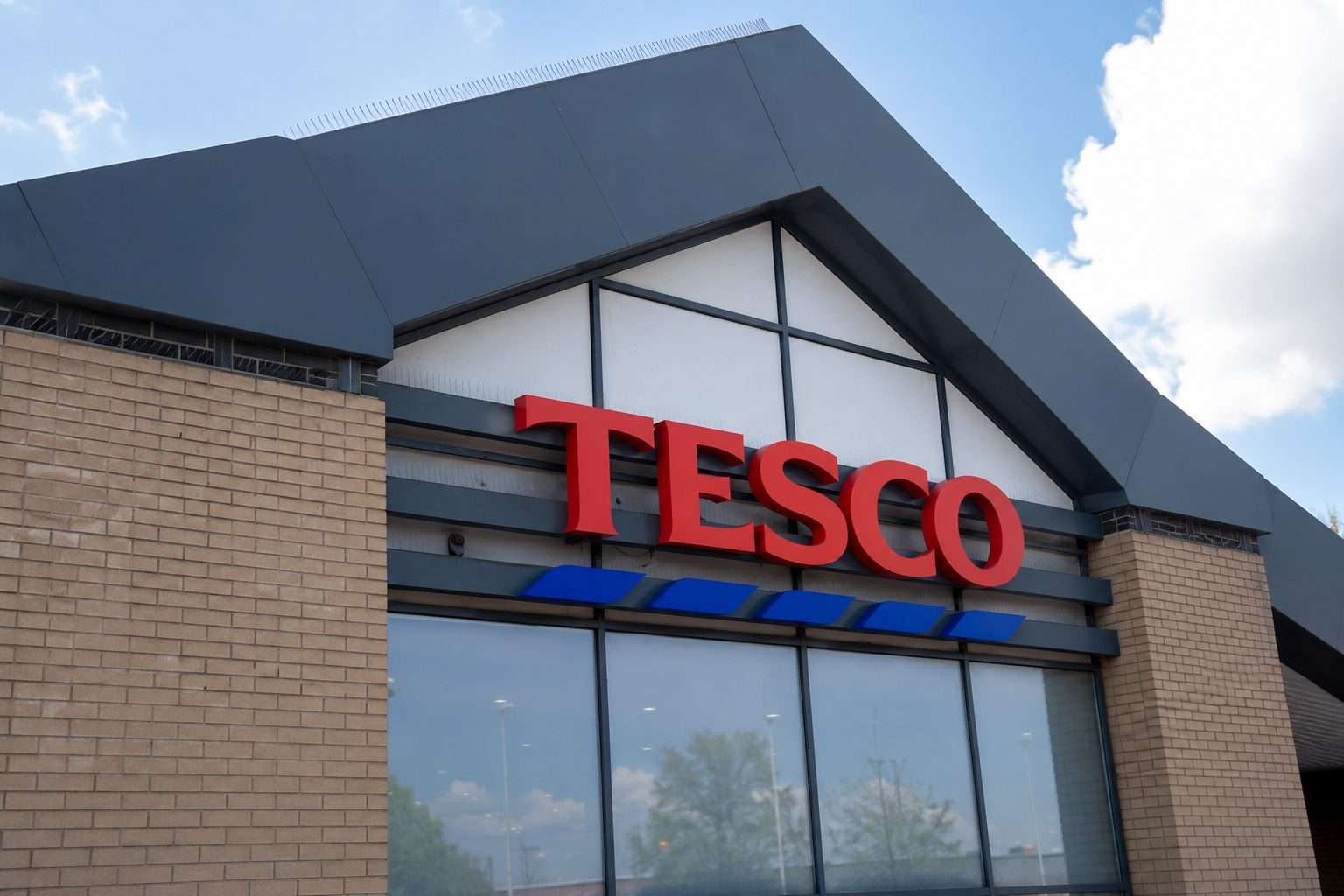
Tesco shares dropped roughly 1.6% in early London trade Tuesday, even after the company kicked off a £200 million share-buyback tranche. New grocery data signaled slower sales growth. Delayed prices put Tesco around 442.2 pence, down from 449.3p at Monday’s close. The FTSE 100 was off about 0.8%.
Tesco’s split is in focus. The company is set to be a regular buyer of its own shares, though the plan doesn’t answer the key business problem for the UK’s top grocer: if Tesco wants to keep its number one spot, can it do that without cutting margins as more customers chase promotions?
Tesco said Banco Santander is set to buy up to £200 million of shares on the London Stock Exchange and other UK markets. The supermarket finished a £350 million buyback on June 18 after picking up 76,644,755 shares. Tesco will cancel these shares, cutting the total outstanding.
A lower share count can push up earnings per share without more profit. Tesco gave up most of Monday’s 1.9% gain on Tuesday, after closing at £4.49. The stock beat the FTSE 100’s 0.7% move that day.
British grocery inflation slowed to 3.0% in the four weeks to June 14, Worldpanel by Numerator reported. That’s down from 3.1%. Grocery sales were up 2.4% on the year, so volumes declined after taking out price effects.
Tesco’s sales growth was 1.2% in the last 12 weeks, and its market share edged down 0.1 percentage point. Sainsbury’s sales were up 2.0%. Lidl, which is still the top store-based riser, lifted sales by 8.6%. Shoppers spent 30.4% of their grocery budget on promotions.
Tesco’s June 18 first-quarter update told this story too. UK like-for-like sales rose 1.8% for the 13 weeks to May 30, excluding fuel, VAT, and including store changes. Group like-for-like was up 1.0% on sales of £16.83 billion. Booker fell 3.2%. Online sales climbed 8.9%, and the Finest range was up 9%.
UK growth came in below the 2.3% analyst forecast, but Tesco stuck with its £3.0 billion to £3.3 billion adjusted operating profit target for the year ending February 2027. Chief Executive Ken Murphy said he “wouldn’t be reading too much into it”. Garry White, chief investment commentator at Charles Stanley, said the steady outlook “should reassure investors”. Reuters
Tesco is funding its buyback with steady cash flow. The company posted £1.96 billion in free cash flow for the last financial year and upped its medium-term goal to £1.5 billion to £2.0 billion. Tesco plans to wrap up the £750 million repurchase by April 2027.
But there’s still a risk. If energy or food-input costs climb again, Tesco might have to pick between raising prices or taking a hit to margins. More deals or a surge at Lidl or Sainsbury’s could eat into Tesco’s recent market share gains. A buyback could lift per-share earnings, but it won’t make up for slow sales growth.
Tesco’s next big check-in comes with interim results on October 8. Before then, investors will look to monthly grocery figures and how fast Tesco buys back shares to tell if Tuesday’s drop is just market noise or a reset in expectations.