
SYDNEY, June 24, 2026, 08:04 AEST
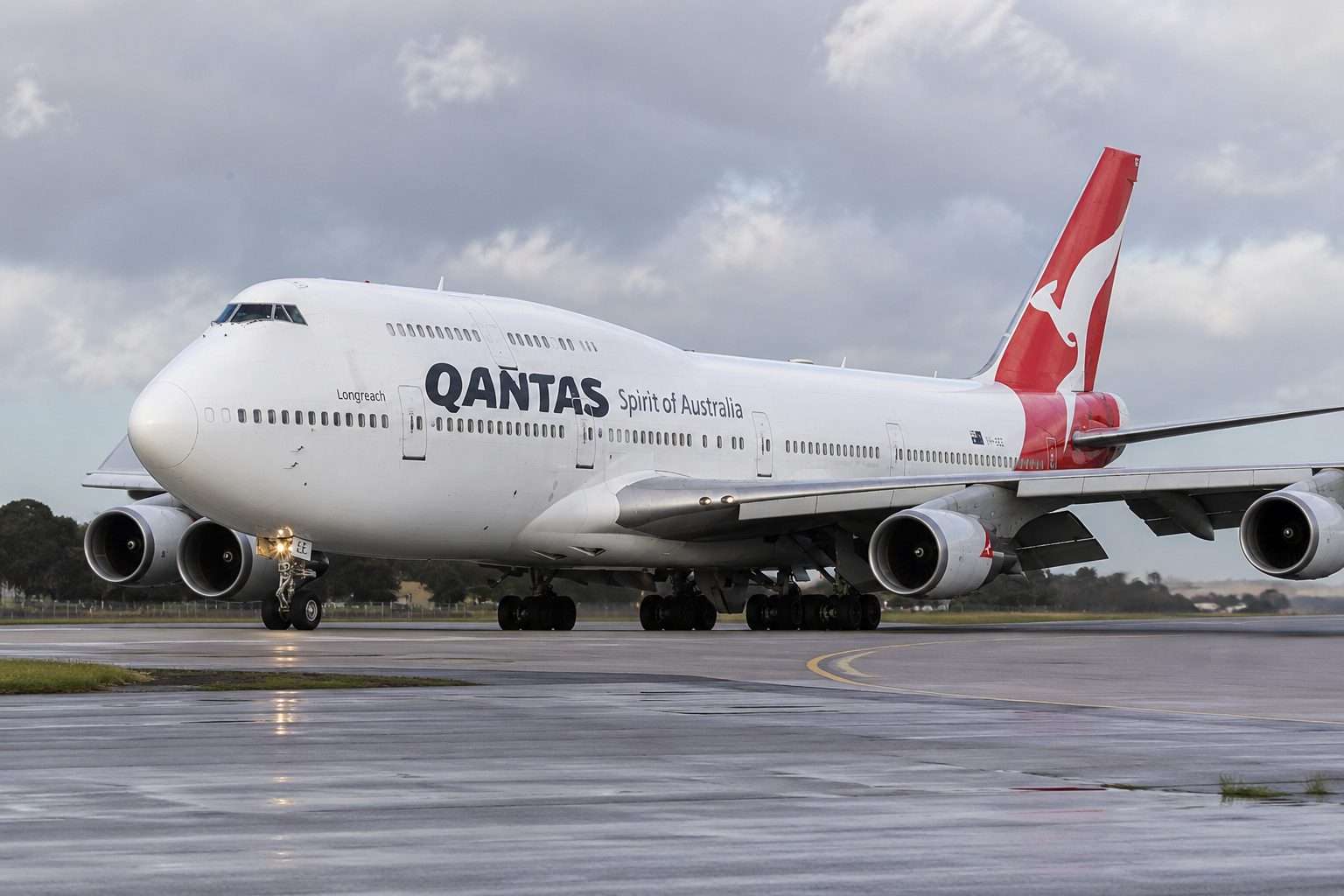
Qantas Airways shares head into Wednesday’s session with only a small gain since last week’s Project Sunrise launch details. The ASX cash market was in pre-open at the dateline, with normal trading due to begin shortly before 10:00 AEST.
The stock closed Tuesday at A$10.13, up 0.4%, while the S&P/ASX 200 fell 0.33% to 8,787. Qantas is just 1.7% above its June 16 close of A$9.96 and remains 19.7% below its 52-week high of A$12.62.
The sharper investor number is 28. The Project Sunrise A350 will have six first-class suites, 52 business seats and 40 premium-economy seats, giving it 98 premium seats. Qantas’ current 787-9 has 70. The new aircraft therefore adds 28 premium seats and removes 26 economy seats while total capacity rises by only two, to 238 passengers. Premium cabins increase from 29.7% of seats to 41.2%. Another 42 seats inside the economy cabin will be sold as Economy Plus. This is a cabin-mix trade, not a volume trade.
Chief Executive Vanessa Hudson said the airline expects Project Sunrise to improve revenue per available seat kilometre, or RASK, by 30% against one-stop flights, The Australian reported on Tuesday. RASK measures passenger revenue generated for each seat flown one kilometre. Morgan Stanley analysts Joseph Michael and Julianna Sick expect travellers to pay 15% to 20% more to save three to four hours. Morgan Stanley’s A$10.60 price target and UBS’ A$11.15 target imply 4.6% to 10.1% upside from Tuesday’s close.
“What they are selling is time, and they absolutely need to get a premium on all the cabins, particularly business and premium economy,” aviation analyst John Strickland said. Qantas estimates Project Sunrise could add more than A$400 million a year to earnings. That is about 2.6% of its current A$15.33 billion market value, though an earnings contribution is not the same as cash returned to shareholders. Reuters
The first aircraft is due in April 2027, tickets are expected to go on sale in February and Sydney-London services are scheduled for October 2027. Hudson said the flight would save customers up to four hours. Qantas says more than 12,000 passengers travelled between Sydney and London each week in 2025, compared with 7,500 on the Melbourne route and 5,300 from Brisbane. Aircraft certification and regulatory approvals are still required.
Comfort is part of the yield calculation. Peter Cistulli, a University of Sydney professor of sleep medicine, called crossing the route’s time zones “a major biological challenge”. Tests using scheduled meals and cabin lighting produced better passenger alertness, he said. Those features need to make a roughly 20-hour flight tolerable enough to protect the fare premium, particularly across the 140-seat economy cabin. Reuters
Emirates and other Gulf carriers can respond with one-stop fares, while Singapore Airlines remains a strong hub alternative. Australia’s easing of Gulf travel warnings restored access to travel insurance for many transit passengers, and Flight Centre cited return fares near A$1,400 for some October departures. Rebuilding Gulf capacity could put a ceiling on the surcharge Qantas can charge.
But the larger near-term risk is fuel. Brent settled 1.1% lower at US$77.08 on Tuesday, though navigation through the Strait of Hormuz remains restricted. Qantas said in April that it had hedged about 90% of its crude exposure but remained largely exposed to jet refining margins — the difference between crude and finished jet-fuel prices. It estimated a second-half fuel bill of A$3.1 billion to A$3.3 billion and had not started a planned A$150 million buyback. Renewed disruption or another jump in refining margins could absorb much of the higher fare revenue.
Qantas closes its financial year on June 30 and is due to report preliminary results on Aug. 27. That update should give investors the next reading on FY27 fuel costs, capital spending and the buyback months before Project Sunrise tickets are sold.