
LONDON, June 30, 2026, 12:04 BST
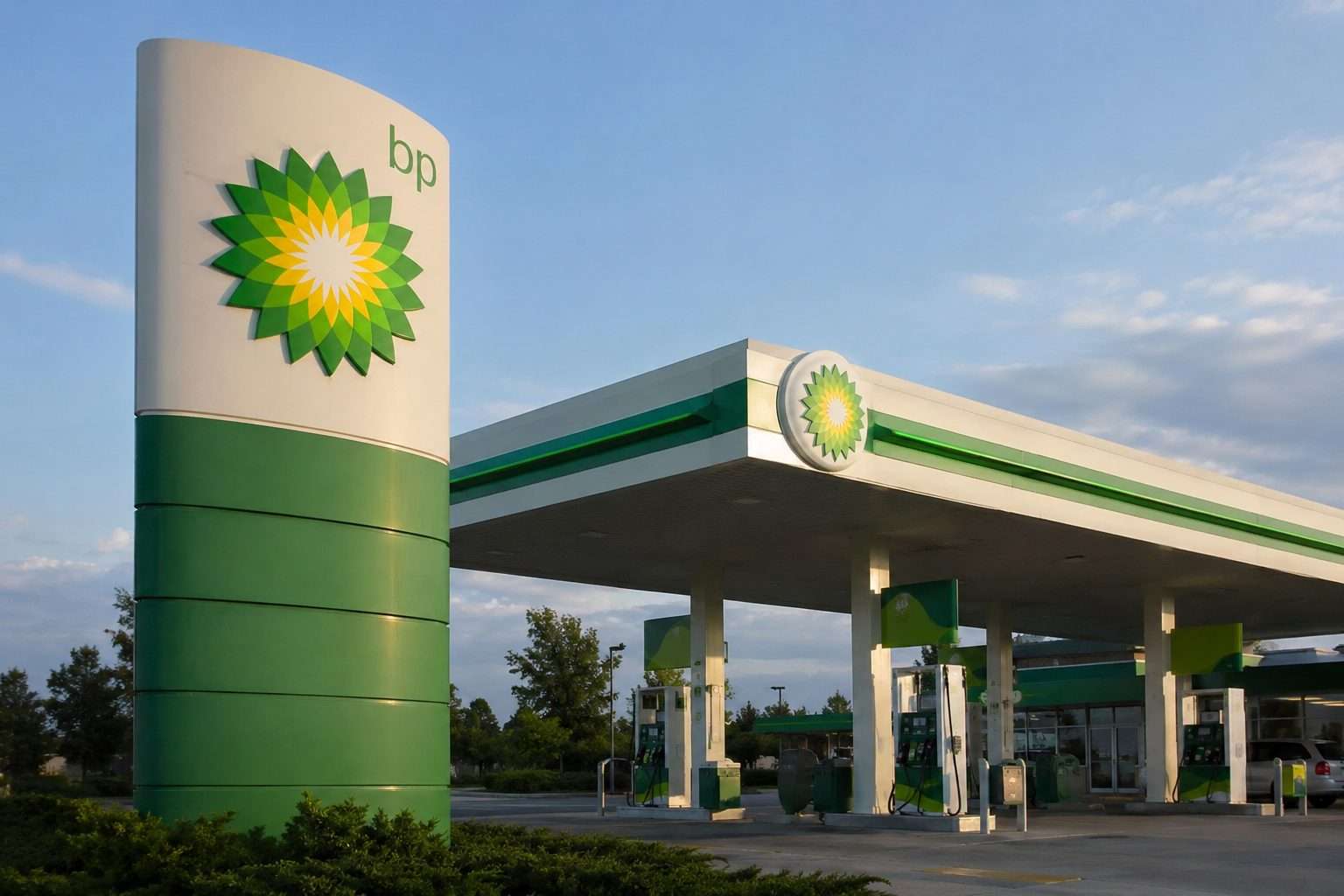
- BP shares were down in London, even as the FTSE 100 moved higher. The drop pointed to company-specific cash-return risk getting priced into the stock, not broad UK market moves.
- Brent held close to $73 a barrel, on track for its sharpest quarterly drop since 2020, narrowing BP’s short-term oil-price buffer.
- BP paused its buyback and ended with $25.3 billion in net debt. Investors will look at second-quarter cash flow for a clearer read.
BP Plc (LON:BP) edged down 0.32% to 471.20 pence as of 1202 BST, with the FTSE 100 up 1.09% at 10,598.45. BP traded between 467.75p and 472.10p on the day and is still roughly 22.7% off its 52-week high of 609.40p.
| Market read | Latest figure | Investor point |
|---|---|---|
| BP shares | 471.20p, down 0.32% | Trailed a stronger FTSE 100 |
| FTSE 100 | 10,598.45, up 1.09% | UK stocks did better overall |
| BP dividend yield | 5.27% | Pays out, but no share buyback |
| BP 52-week range | 363.00p-609.40p | Still trades well below March high |
London markets opened on a regular schedule, with the London Stock Exchange trading from 0800 to 1630 BST on June 30. The date doesn’t fall on a 2026 bank holiday in England and Wales, according to the LSE schedule.
What hit BP wasn’t only today’s drop. BP shares fell while the broader index climbed, with June’s big slide in Brent taking away support from oil prices. Investors now want to see if BP can cut its debt without buybacks.
Brent August crude traded at $73.27 a barrel at 0959 GMT, Reuters said. The price picked up 0.16% on the session. But the contract is still off about 20% this month. Reuters also noted oil was set for its steepest quarterly drop since early 2020, when the COVID-19 crisis hit.
UBS analyst Giovanni Staunovo told Reuters he doesn’t think the market has priced out a risk premium. He said more ships leaving the Gulf had freed up supply that was stuck during the disruption.
This is important for BP since its Q1 numbers beat forecasts thanks to moves in the oil market. The company logged $3.2 billion in underlying replacement-cost profit for the first quarter, which is 20% more than the analyst consensus BP shared. The customers and products segment, which covers oil trading, saw profit before interest and tax hit $3.2 billion, its strongest result since 2022.
Chief Executive Meg O’Neill said after Q1 results, “We’re controlling what we can control,” talking about raising production outside areas hit by disruptions. BP said then that fuel margins are still sensitive to Middle East supply costs, and upstream output will be down in 2026 due to the conflict. Reuters
| BP marker | Latest confirmed figure | Why it matters |
|---|---|---|
| Q1 underlying RC profit | $3.2 billion | Trading drove a result ahead of forecasts |
| Q1 customers and products profit before interest and tax | $3.2 billion | Oil trading lifted the division |
| Q1 net debt | $25.3 billion | Increased from just over $22 billion |
| Planned hybrid-bond reduction | About $4.3 billion | A balance-sheet move |
| Current market value | About £73.96 billion | Remains far short of Shell’s market cap |
BP put its share buyback program on hold in February as it looked to use more cash for paying down debt and investing in higher-return oil and gas deals, Reuters reported. By April, BP’s net debt hit $25.3 billion, up from just above $22 billion the prior quarter, with the company citing working capital changes linked to the conflict.
Morgan Stanley trimmed its outlook for 2027 Dated Brent, dropping its price forecast by $5 a barrel to $75 for the first half of the year and $70 for the second half. The bank is now assuming an implied global oil surplus of 4.8 million barrels per day in 2027, according to Reuters.
BP holders are watching cash flow more than the crude price now. A quick pop from trading income gave the first quarter a boost. But a weaker Brent outlook could slow debt paydown or put off any restart to buybacks.