
LONDON, July 4, 2026, 16:01 BST
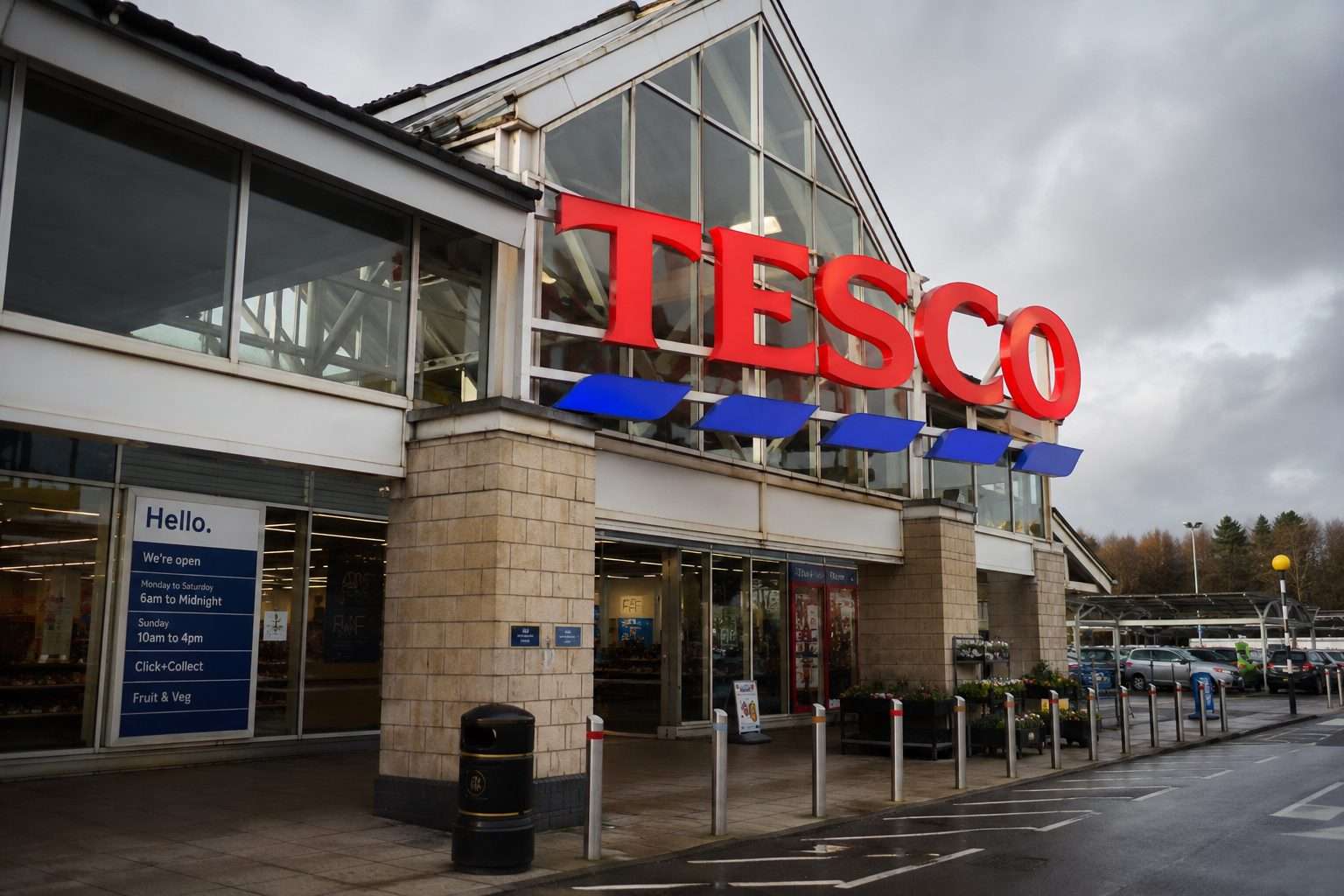
- Tesco PLC LON:TSCO closed at 466.60p on Friday, off 1.48% for the session and trading 8.58% below its 52-week high. The FTSE 100 (INDEXFTSE:UKX) moved higher.
- The £750 million buyback had reached 70.8% completion by July 2. Shares closed Friday 1.0% under the average repurchase price.
- Tesco’s UK like-for-like sales were up 1.8% in Q1, behind the 2.3% analysts expected. The company kept its profit outlook at £3.0 billion to £3.3 billion.
Tesco PLC LON:TSCO heads into Monday trading below the level of its most recent announced buyback. Shares reached a 52-week high this week. Saturday was outside regular hours for the London Stock Exchange, which runs Monday to Friday from 0800 to 1630 BST.
Tesco shares dropped 7.00p to 466.60p on Friday. It’s a minor move over the bigger picture, but stands out because Tesco picked up 4 million shares July 2 at an average 471.47p. That latest buyback is sitting above market, at least until trading starts again.
| Stock/index | Friday close | Friday move | Week move |
|---|---|---|---|
| Tesco PLC LON:TSCO | 466.60p | fell 1.48% | up 1.5% for the week |
| J Sainsbury PLC LON:SBRY | 335.00p | down 0.65% | gained 6.2% over the week |
| Marks & Spencer Group LON:MKS | 383.00p | slipped 0.80% | added 1.2% this week |
| FTSE 100 (INDEXFTSE:UKX) | 10,679.03 | rose 0.25% | advanced 1.6% this week |
Weekly move calculated from June 26 close to July 3 close. Figures in table use closing prices and Reuters’ Friday FTSE market report.
Capital returns are now in sharper focus than the stock’s one-day move. Tesco picked up 116.1 million shares for £530.9 million since this buyback started April 22. That leaves £219.1 million left to use in the £750 million programme.
| Buyback measure | Value | Investor read |
|---|---|---|
| Programme size | £750 mln | Current buyback plan return |
| Bought by July 2 | £530.9 mln | 70.8% of the allocation used |
| Shares bought by July 2 | 116.1 mln | That’s 1.82% of the original share count |
| Latest disclosed average price | 471.47p | 1.0% above Friday’s close |
| Cash left | £219.1 mln | This would buy close to 47.0 mln shares at 466.60p |
| Possible total at Friday close | About 163.1 mln shares | That’s about 2.55% of the starting share base |
Numbers here are from Tesco’s July 3 RNS and Friday’s closing price. The share count starts at 6.269 billion, which is what’s left after the buyback on July 2 and adds in shares canceled already.
This is in focus because Tesco’s sales aren’t beating forecasts like before. Reuters said on June 18 that UK like-for-like sales rose 1.8% for the 13 weeks to May 30, missing analysts’ 2.3% call and slowing from 3.1% in the quarter before. CEO Ken Murphy said last year’s gains were “truly exceptional” and described the Q1 drop as “not a sign of a slowdown per se.” Garry White at Charles Stanley said keeping guidance “should reassure investors” as Tesco balances profit and competition. Reuters
Tesco’s transcript handed bulls new numbers to chew on. The company reported fresh food like-for-like sales up 3.6%, its Finest line up 9%, online sales up 8.9%, and Whoosh sales climbing more than 30%. CEO Murphy said Tesco “broadly held our own” on market share for the quarter. CFO Imran Nawaz said, “we aim to grow profits every single year.”
| Operating read-through | Tesco | Sainsbury | Investor read |
|---|---|---|---|
| Q1 like-for-like sales | UK up 1.8% | Excluding fuel up 2.1% | Sainsbury grew faster on the topline |
| Food measure | Fresh food up 3.6% | Grocery up 3.6% | Food growth lines matched |
| Non-food | Down 0.5% | General merchandise and clothing off 3.7%, Argos down 0.5% | Tesco saw a smaller discretionary hit |
| Market share cited | Above 28% | 15.3% | Tesco leads on UK scale |
| Profit guide | £3.0bn-£3.3bn adjusted operating profit | £975m-£1.075bn underlying operating profit | Guidance held for both |
Sainsbury’s reported numbers for the 16 weeks to June 20, while Tesco’s Q1 was for 13 weeks to May 30—so they’re not directly comparable. What matters for investors is the sales mix. Reuters reported that around a quarter of Sainsbury’s sales come from non-food. That gives Sainsbury’s more exposure to weak discretionary spending than Tesco.
Sainsbury’s shares still finished the week ahead. Its June 30 update helped calm some sector concerns, and CEO Simon Roberts said sales got a big lift from the heatwave. Tesco is working its convenience and Whoosh offerings, but its shares also have to deal with the buyback price impact.
Pricing is another risk for the week ahead. Murphy told analysts food inflation eased over the past year, with Q1 coming in below Q4, driven by lower prices in dairy, coffee, and cocoa. Nawaz said the market was “fairly rational across the board.” That matters, because Tesco’s £500 million Save to Invest target is supposed to let the retailer wait longer and keep prices below rivals.
Tesco has an early hurdle Monday: can the stock move back above 471.47p, the company’s last buyback average? The other test is the weather. Sainsbury’s is bracing for more hot weather next week, Roberts said, which should show how UK grocers handle volume before Tesco’s formal update.