Seattle, April 9, 2026, 04:11 PDT
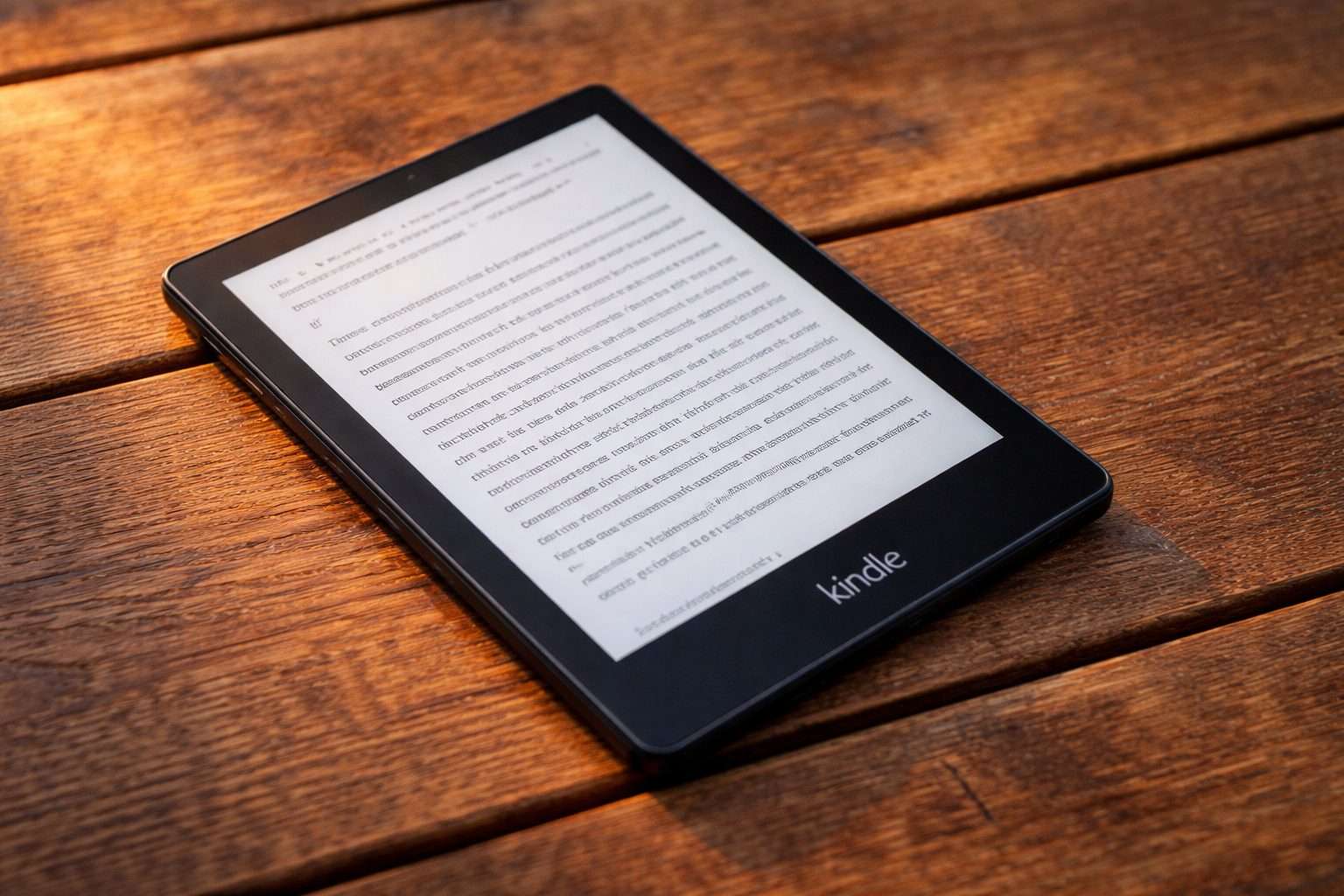
Amazon will stop supporting Kindle e-readers and Kindle Fire devices released in 2012 or earlier on May 20, cutting those models off from the Kindle Store, Amazon’s ebook storefront, and preventing owners from buying, borrowing or downloading new books directly to them. Amazon’s help page says titles already stored on the devices will still work after the cutoff. 1
The step goes beyond a routine software sunset. Some of the affected readers date back to the original 2007 Kindle, and if an owner removes one from an Amazon account or factory-resets it after May 20, the device cannot be registered again. 2
Amazon framed the move as the end of a very long support cycle. Jesse Carr, an Amazon spokesperson, told TechCrunch the models had been “supported for at least 14 years,” with some lasting as long as 18 years. Amazon also told Engadget the move affects about 3% of current users, while recent U.S. reports said affected customers are being offered 20% off select new Kindles and a $20 ebook credit if they upgrade by June 20. 3
The affected lineup runs from the first-generation Kindle and Kindle DX to the Kindle Keyboard, Kindle 4 and 5, Kindle Touch, and the first Kindle Paperwhite. Older Kindle Fire models are included too, though Amazon said other apps and services on those tablets will keep working after ebook store access ends. 2
Amazon spokesperson Jackie Burke told The Verge the devices will “no longer be able to purchase, borrow, or download new content via the Kindle Store.” Users will still be able to reach their libraries through newer Kindles, the Kindle mobile app and Kindle for Web, Amazon said. 2
The company has been edging toward this for years. In 2016, Amazon warned that some older Kindle e-readers needed a software update to keep using certain services, an early sign that store access on older hardware would not last forever. 4
Some owners are already looking for ways around the cutoff instead of replacing hardware. Recent tech-site reports said readers can still sideload — copy files to the device over USB rather than pull them from Amazon’s store — and some coverage has pointed to alternatives such as Onyx’s Boox Palma or a Vivlio e-reader. 5
The immediate commercial impact may be limited if Amazon’s 3% estimate is right. The larger uncertainty is whether the move deepens criticism over useful hardware being pushed out early; a UN-backed 2024 report projected global e-waste will rise to 82 million tonnes by 2030. 6
For now, Amazon is not disabling the screens or batteries. What disappears on May 20 is the easiest route to new books on some of its longest-lived devices. 1