
Sydney, May 16, 2026, 08:08 AEST
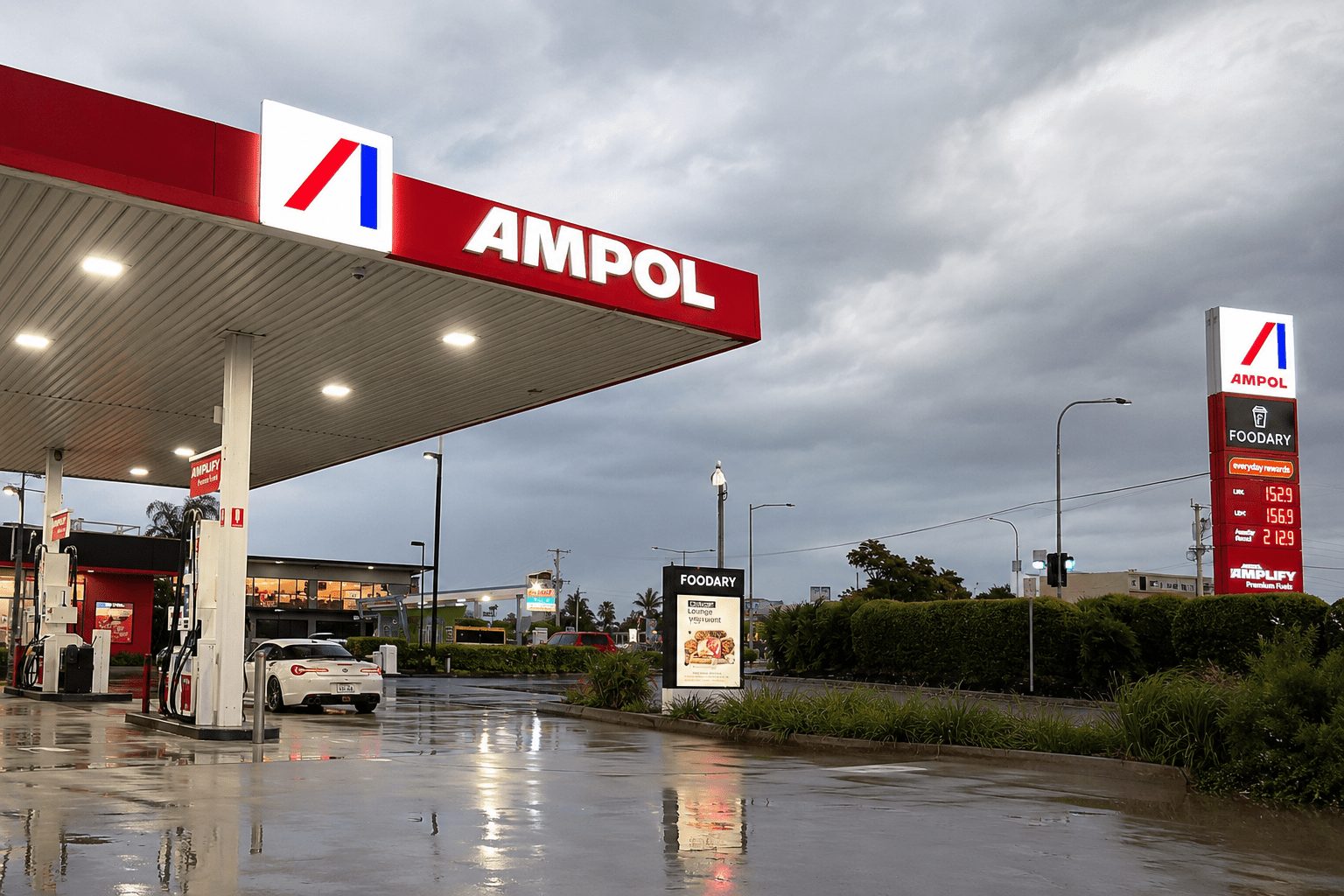
Australia is adding about 150 million litres of diesel to supply, with fresh deals that include Ampol. This move draws Ampol deeper into the government’s emergency fuel-security plan as global supply issues weigh on importers and refiners. The government said three new shipments, totalling about 900,000 barrels, will go to South Australia, Tasmania, Queensland and Victoria.
Fuel security is grabbing more attention after Middle East conflict pushed up oil prices and boosted refining margins. Ampol’s Lytton Refiner Margin, which tracks refining profit before some costs, was at US$25.45 a barrel in the first quarter, up from US$6.07 a year ago. Refinery production climbed 10% to around 1.4 billion litres, according to company AGM documents.
Export Finance Australia has teamed up with Ampol, BP Australia, IOR and Viva Energy on 14 more shipments of diesel and jet fuel, moving about 600 million litres of diesel and 100 million litres of jet fuel, according to the government. Prime Minister Anthony Albanese said the government is leaving “no stone unturned” to keep Australia running. Trade, Tourism & Investment Minister
Ampol (ASX: ALD) finished Friday at A$35.05, adding 2.88% ahead of the weekend’s ASX close, market data shows. Shares hovered close to the May 1 peak, with support from firmer refining margins and some buying linked to its planned EG Australia deal.
Shareholders approved all resolutions at Thursday’s AGM, according to a filing. The remuneration report picked up 98.44% support. Simon Allen was re-elected to the board with 94.15%. A proposal to grant 2026 performance rights to Managing Director and CEO Matthew Halliday passed with 99.53%.
Ampol CEO Halliday told investors April was another good month, pointing to strong results at Lytton and steady returns in trading and shipping as the volatility kept going in the markets. He also again backed domestic refining, saying it keeps “physical fuel supply and associated profits onshore.” That line has now moved into the middle of Canberra’s fuel debate.
Australia’s federal government rolled out a fuel-security package this month worth over A$10 billion, adding a government-owned stockpile of roughly one billion litres and raising the Minimum Stockholding Obligation by about 10 days. The move targets onshore reserves of at least 50 days for diesel and aviation fuel.
Ampol and Viva Energy, which owns the Geelong refinery, are now getting more policy attention. Australia has just two refineries—Ampol’s Lytton in Queensland and Viva’s Geelong plant in Victoria—so both companies sit at the center of any push to boost onshore fuel stocks or grow local processing.
Ampol is still working to finish its takeover of EG Australia. In April, the company put in a final remedy offer to the Australian Competition and Consumer Commission, increasing its proposed site divestments to 41 from 37. It said the ACCC’s Phase 2 decision is expected by June 5 unless the timeline gets pushed back.
The deal still hasn’t got the green light from the regulator. Back in January, the ACCC said bringing together the two fuel retailers could cut competition in petrol and diesel markets. Commissioner Dr Philip Williams pointed out the tie-up would merge “two major fuel retailers in Australia.” The ACCC flagged possible competition risks at 115 EG sites. ACCC
Shipping bets stay cautious, with prediction markets still seeing delays. On Polymarket, traders put only 6% odds on Strait of Hormuz traffic going back to normal by the end of May. Kalshi shows 37% odds of normal shipping before Aug. 1. These odds aren’t official forecasts, but traders are sticking close to fuel suppliers and refiners.
But gains aren’t guaranteed. If shipping flows in the Middle East get back to normal more quickly, refining margins might come down. A harder ACCC stance could also hold up or change the EG deal. And as fuel prices go up, there is political risk and a chance that demand will soften if households and businesses pull back on usage.
Ampol is in the thick of three moving stories—emergency diesel supply, high refinery margins, and a planned retail buyout still waiting on regulators. That’s turning what would’ve been a standard AGM week into a broader look at its role in Australia’s fuel sector.