
Taipei, April 17, 2026, 02:36 (UTC+8)
Global smartphone shipments dropped 4.1% in the first quarter, snapping a 10-quarter run of gains. Record-high memory prices pressured brands: fewer phones made it to market, and price tags went up. Now, fresh reports suggest certain Chinese Android manufacturers may pull back or hold off on “Ultra” models. TSMC, for its part, says leading-edge chip capacity is still stretched. IDC
This comes as memory prices climb and high-end chips get harder to find—right when handset makers are stuffing devices with more AI-powered features, upping demand for both memory and storage. Shipments in China slipped 3.3% in the first quarter. “Profitability matters more than shipment growth” now, according to IDC’s Will Wong. IDC
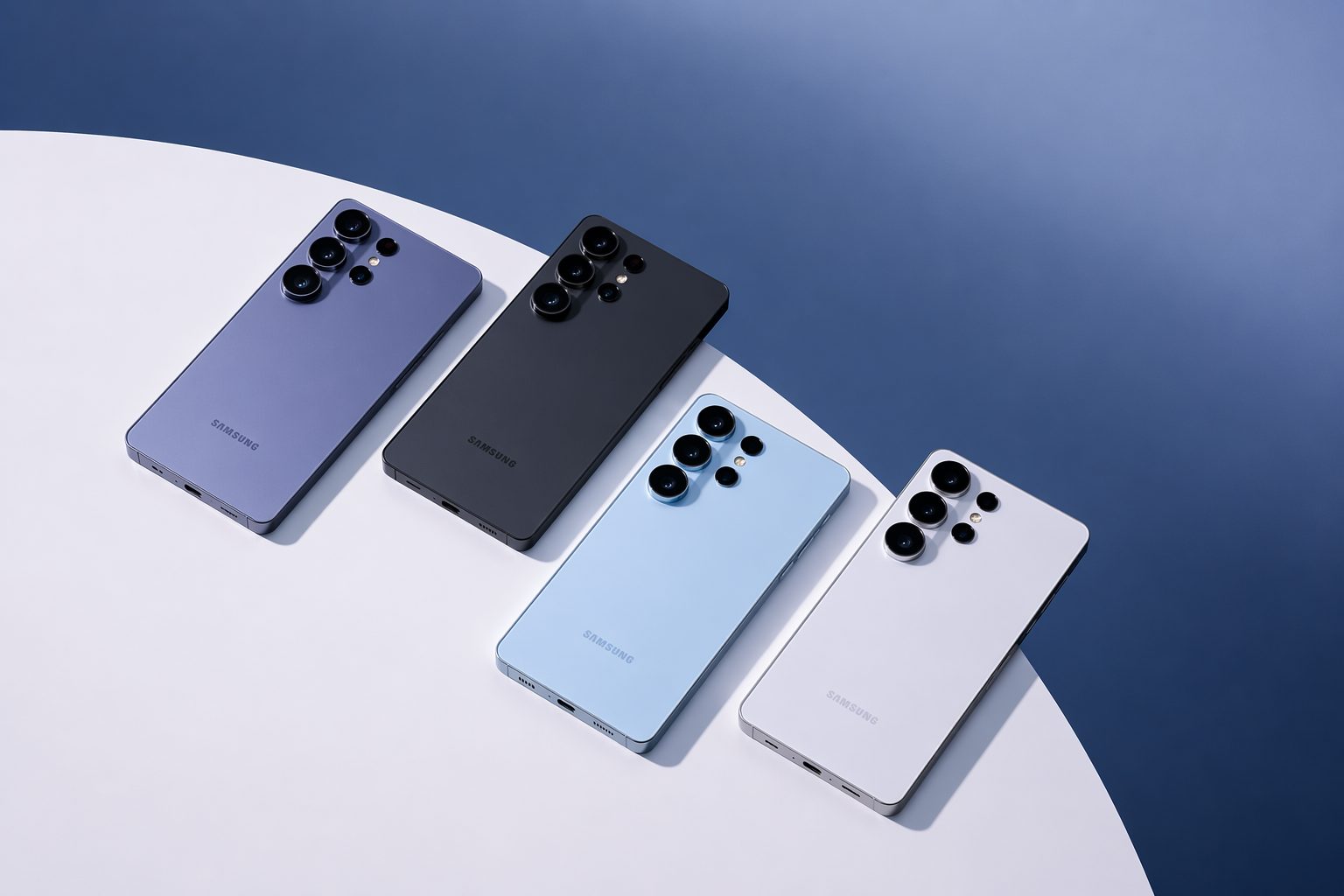
Prices are already feeling the squeeze, and it’s showing up in what’s on offer. Back in February, Samsung bumped up U.S. prices for its Galaxy S26 and S26 Plus models but held the line on the Ultra. IDC notes that among the global top five, only Samsung and Apple managed to notch growth last quarter—helped by their focus on premium devices, which left them better positioned to take the hit.
This week, tech outlets picked up on rumors from Chinese leakers, suggesting certain brands could either hold off on launching their ultra-premium devices or limit their use of flagship chipsets to select models. But so far, not a single company has stepped forward to confirm any of it. The information remains unconfirmed.
The stronger signs suggest cost-cutting is at play here, rather than a full-scale retreat. “One of its most challenging periods,” is how IDC’s Nabila Popal described the market, and brands have tightened up—dialing back marketing, slashing costs, and “despecing” devices, meaning less memory, reduced storage, downgraded screens, whatever keeps margins above water. MediaTek warned investors back in February: pricier memory and higher bill-of-materials—the entire parts tally for a phone—are squeezing demand and forcing changes to their product lineup. IDC
The high-end is holding up, while the middle falters. Samsung’s back on top worldwide, thanks to robust Galaxy S26 Ultra sales. Apple landed in second. In China, both Huawei and Apple managed to support premium segment demand, despite total shipments dipping. That divide is key: brands with real pricing power can keep moving pricey models, but lower-tier players are boxed in.
Chips are no relief here. TSMC — the world’s top contract chipmaker — bumped up its annual revenue outlook Thursday and flagged “very tight” capacity, citing “extremely robust” AI demand. According to TSMC’s own roadmap, the 2-nanometre process, which brings faster and more efficient chips, isn’t hitting volume production until late 2025. That keeps next-generation smartphone processors dependent on those pricey, hard-to-get leading-edge wafers. Reuters
Memory prices aren’t easing up. On March 31, TrendForce projected contract prices for standard DRAM — the RAM in smartphones — will jump 58% to 63% in the second quarter. NAND flash, which handles storage for apps and files, could surge even higher: up 70% to 75%. Even so, the researcher expects premium phones to keep piling on storage this year, as on-device AI needs extra space, particularly at the top end.
The direst scenario might not materialize. Earlier this week, TrendForce reported a 0.48% dip in DDR4 spot prices as buyers pushed back against higher tags. IDC, meanwhile, found China’s premium market outperformed in the first quarter. So instead of axing the ultra category altogether, some vendors could simply move fewer high-end models or cut shipments of maxed-out memory SKUs.
One thing’s unchanged: the trend keeps moving upmarket, shedding bulk and patience along the way. IDC’s Anthony Scarsella called the 4% drop in first-quarter shipments “just a sample of what’s to come.” Back in February, Reuters flagged IDC’s forecast for a 12.9% slide in 2026 smartphone shipments—the steepest yearly drop in over ten years. That downturn’s already showing up in the latest numbers, and now the battle over who makes it through is playing out at the highest price points. IDC