London, Feb 27, 2026, 09:40 GMT — Regular session
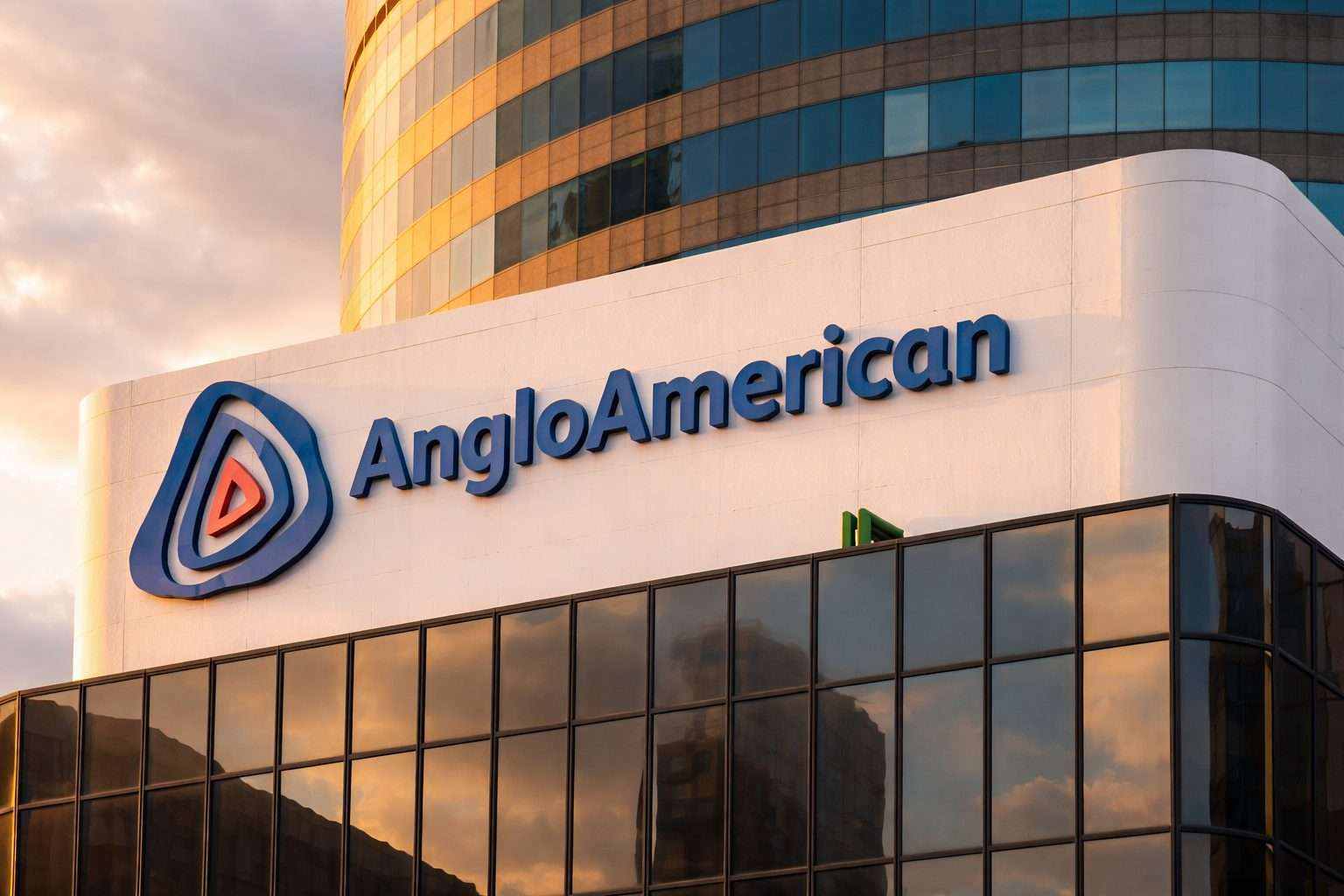
- Anglo American bounced back, up 1.9% early in London after losing 3.6% the previous session.
- Duncan Wanblad, the CEO, said bidders for De Beers are consortia, raising the possibility Anglo’s stake could end up divided in a sale.
- De Beers deal developments are on investors’ radar, with Anglo’s production report set for April 28 also in focus.
Anglo American clawed back 1.9%, trading at 3,758 pence as of 09:40 GMT on Friday, after being hit by a selloff the previous day. Shares in Rio Tinto and Glencore ticked up as well, with the basic resources sector holding onto gains.
This is significant: miners have shouldered much of the recent gains in European equities, and Anglo remains a key player there. The STOXX 600 index across Europe was hovering just shy of a record, with the mining sector advancing 1.7% for the day.
Europe’s basic resources stocks are up roughly 25% year-to-date, closing in on the gains they notched for all of 2025, following a surge in metal prices, according to Reuters this week.
Shares of Anglo slipped 3.55% to close at £36.93 on Thursday, according to MarketWatch data, just a day after reaching a 52-week high of £38.77. Roughly 2.4 million shares changed hands—less than half the 50-day average of 5.7 million.
Company-specific risk isn’t just a footnote—De Beers is now front and center. Duncan Wanblad, the chief executive, told reporters that consortia are making bids—“some include governments and some don’t”—and he left the door open for Anglo’s stake to be split up. There’s also a chance De Beers sticks around in the portfolio when Anglo’s merger with Canada’s Teck Resources comes up in September, according to National Jeweler. De Beers logged a $511 million underlying EBITDA loss for 2025, while Anglo recorded a $2.3 billion impairment, a non-cash write-down, per the report. Nationaljeweler
Metals prices showed no clear direction. Three-month copper on the LME settled at $13,304.50 a tonne, slipping 0.14% on the day-delayed close.
Despite daily swings, investors are still showing a strong risk appetite. Britain’s FTSE 100 closed out Thursday at an all-time high. “It is likely that the UK index’s outperformance is here to stay,” said Axel Rudolph, senior financial analyst at IG. Reuters
Yet Anglo isn’t entirely smoothed out. Offloading De Beers means wading through a regulatory and political maze, and diamond demand has stayed sluggish. Any drawn-out process risks pressing on earnings and sentiment the longer it drags.
Copper and iron ore usually push the major diversified miners together, so traders won’t ignore those moves. If the De Beers process speeds up—or hits a snag—that’s probably going to hit the share price fast.
Anglo is set to deliver its first-quarter production numbers on April 28. Investors are watching for output trends and any new details on the ongoing portfolio shake-up.