
MELBOURNE, April 27, 2026, 01:02 AEST
- ANZ has tapped Kai Yang—previously at HSBC—as its inaugural chief data and artificial intelligence officer.
- That move drops just ahead of ANZ’s half-year results on May 1, putting CEO Nuno Matos’ reset to an early test.
- CBA, Westpac and NAB have already installed senior AI oversight roles, pushing ANZ to move quicker in the hunt for talent.
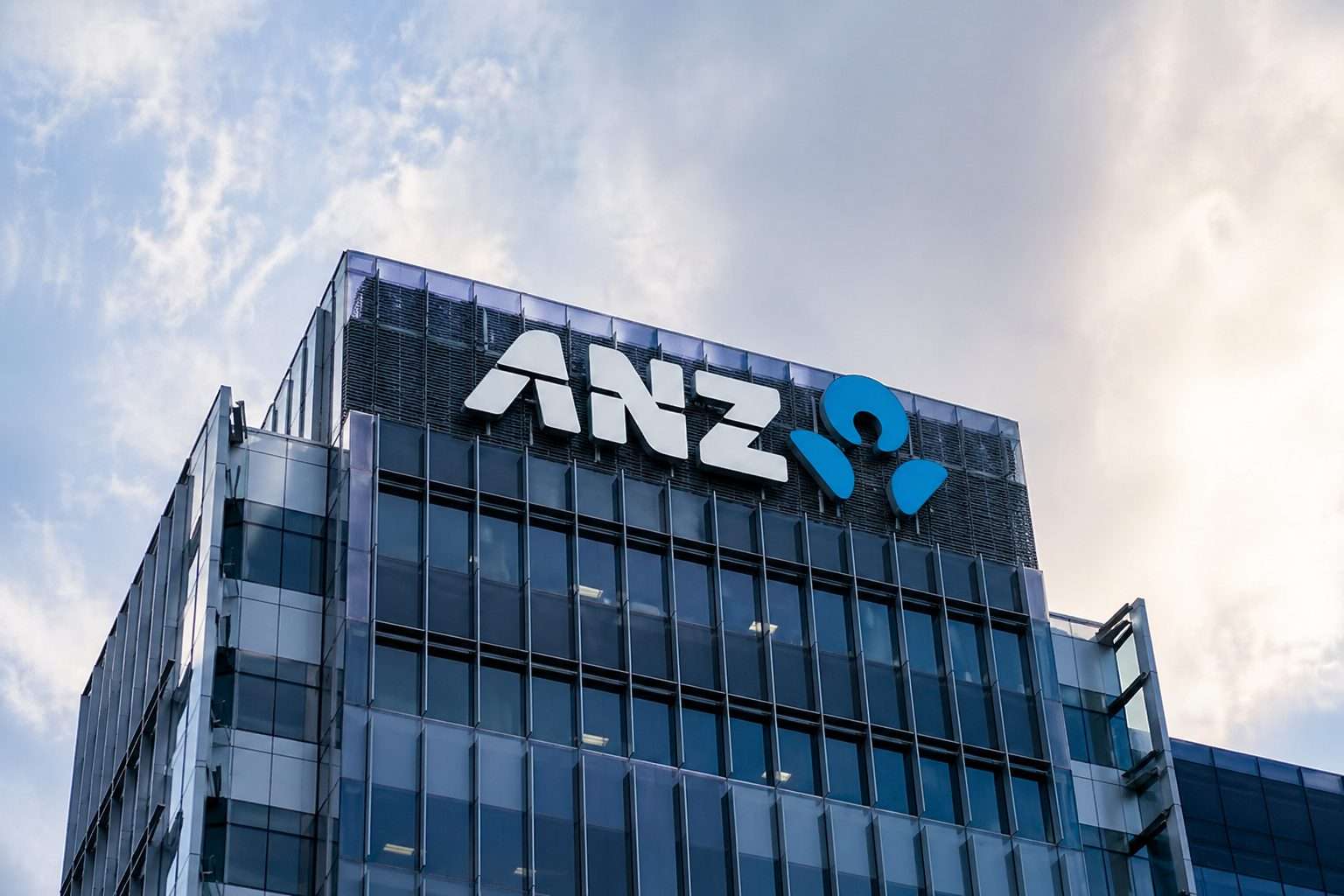
ANZ Group Holdings Limited is bringing in Kai Yang from HSBC to serve as its inaugural chief data and artificial intelligence officer, a new senior post intended to accelerate data, automation, and AI initiatives across the bank. He’ll step into the Sydney-based role in July, reporting directly to group Chief Information Officer Donald Patra, as Chief Executive Nuno Matos looks to expand the bank’s technology strategy.
The clock’s ticking: ANZ drops half-year numbers May 1, 10:00 a.m. AEST. Investors will get their first real shot at judging if Matos’ push on costs and streamlining is gaining traction past the initial savings.
Artificial intelligence—here, software designed for automating tasks, spotting patterns, and informing decisions—has moved firmly onto the agenda in bank boardrooms. At ANZ, a spokesperson pointed to the new role as a sign of just how central data and AI have become to the bank’s strategy. Yang’s remit: boosting AI capability, tightening governance and controls, and speeding up responsible adoption of the technology.
Yang, who now serves as HSBC’s chief data and analytics officer for Asia and the Middle East, brings over 16 years of experience from Commonwealth Bank of Australia, where he held the group chief data officer title. That HSBC connection keeps popping up—Matos previously worked there before moving to ANZ, while Patra made the jump from HSBC just last year.
ANZ is finally moving on AI oversight. According to InnovationAus, the bank was lagging behind its big four peers, only now establishing a senior AI role. Westpac and National Australia Bank made similar appointments last year, while CBA tapped Ranil Boteju for its inaugural chief AI officer post.
The appointment comes on the heels of ANZ’s upbeat first-quarter trading update back in February. Cash profit climbed to A$1.94 billion, while expenses dropped 8% as cost-cutting measures started to take effect. At the time, Matos highlighted the bank’s productivity push, describing it as an effort focused on “removing duplication and simplifying the bank.” Reuters
Whether ANZ’s cost savings will stick is still up in the air. Citigroup’s Thomas Strong pointed to “faster than expected progress on costs” as the reason for the first-quarter beat, but over at Jefferies, Andrew Lyons flagged net interest margin as the critical test. That’s the spread between lending income and funding costs — and how ANZ handles it could be key as the bank pushes to revive housing-loan growth. Reuters
Matos sharpened the tone on company culture, too. In a note dated April 24, he told staff ANZ needed to ditch its “good news culture”—where issues weren’t brought up soon enough—and rolled out four values: putting customers first, delivering with excellence, owning outcomes, and working as one. LinkedIn
Execution is the real challenge here. While AI promises less manual work and sharper fraud detection, poor oversight can make mistakes, biases, or compliance lapses much worse. Investor Daily pointed out Australian banks have already come under the microscope: mortgage documents, allegedly generated with AI, were falsified, underscoring just how quickly regulatory and conduct issues can surface alongside potential savings.
ANZ finished April 24 at A$36.23, off 0.14% for the session, but the share price remains 24.2% higher for the 2026 financial year so far. Some optimism is already baked in, yet with Yang stepping in, Matos gains a new tool for pushing modernization—without sparking new governance worries.