CUPERTINO, California, April 17, 2026, 09:47 PDT
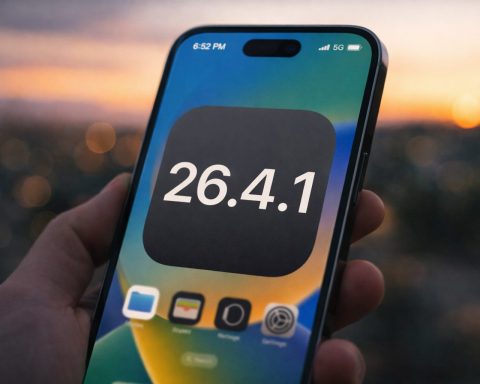
Fresh reports over the last two days suggest Apple’s iOS 27 will lean on small additions to Apple Intelligence, its AI feature set, and modest changes to its Liquid Glass interface, not another sweeping redesign. MacRumors, AppleInsider and PhoneArena said code on Apple’s servers points to four new tools, while 9to5Mac reported Apple is still trying to give users finer control over Liquid Glass.
The timing matters. Apple heads into its Worldwide Developers Conference, or WWDC, on June 8 still trying to repair its AI roadmap after delays to a more personalized Siri. Reuters reported last month that Apple was testing a Siri version that can handle multiple requests and may pass prompts to outside models such as Google’s Gemini or Anthropic’s Claude.
Rivals have kept moving. Google already folded Gemini into its assistant and Amazon rolled out an AI overhaul of Alexa, making this year’s iPhone software preview a check on whether Apple can turn cautious AI promises into everyday tools.
That lines up with earlier reporting that iOS 27 is being built more as a cleanup release, with engineers focused on old code, performance and battery life while adding AI in pieces. The rumor mix so far looks more like a tune-up than a reset.
According to MacRumors, citing code discovered by Nicolás Alvarez, Visual Intelligence — Apple’s camera- and screen-based lookup tool — may soon scan nutrition labels and send calories and macronutrients, or protein, fat and carbohydrates, into Health. The same code points to a second Visual Intelligence feature that could pull printed phone numbers and street addresses into Contacts.
Two other additions target small annoyances. Wallet may turn paper event tickets and gym cards into digital passes, while Safari may automatically name Tab Groups, or bundles of browser tabs, based on what is open. If Apple ships them under Apple Intelligence, they would likely stay limited to iPhone 15 Pro models and newer under Apple’s current support rules, and Google Wallet already offers a similar kind of pass creation on Android.
The design side looks narrower. 9to5Mac, citing Bloomberg’s Mark Gurman, said Apple is again trying to build a systemwide slider so users can adjust Liquid Glass — the translucent software material introduced with iOS 26 — across the home screen, folders and navigation bars after running into engineering trouble extending the control through the whole system. Last year, design chief Alan Dye called Liquid Glass Apple’s “broadest software design update ever.” 9to5Mac
That slower pace matches the way Apple executives are now talking about AI. “We never think about shipping technology,” hardware chief John Ternus told Tom’s Guide this week, while marketing chief Greg Joswiak said Apple tries to “bring humanity to things” rather than force users to learn chatbot habits. Tom’s Guide
Still, the leak set is tentative. MacRumors said it was interpreting individual code strings and could not say with certainty the features would ship exactly as described or even arrive in the first iOS 27 release; Apple itself said in 2025 that parts of its personalized Siri overhaul would “take us longer than we thought,” and Apple Intelligence features still vary by device, language and region. MacRumors
Reuters quoted Ben Bajarin of Creative Strategies after last year’s WWDC as saying Apple’s priority was the back-end, while Investing.com analyst Thomas Monteiro called the AI additions “incremental at best.” June 8 is now Apple’s next chance to show that incremental can still be good enough while Google and Amazon keep pressing ahead. Reuters