CUPERTINO, California, Jan 27, 2026, 01:10 PST
- Apple released iOS 12.5.8 for older iPhones and iPads that cannot upgrade to iOS 26.
- Apple’s release notes say the update extends a system certificate tied to iMessage, FaceTime and device activation through January 2027.
- Apple’s security page lists a wider batch of iOS updates dated Jan. 26 and says they have no published CVE entries.
Apple on Monday shipped iOS 12.5.8 and iPadOS 12.5.8 for devices stuck on iOS 12, in a rare patch aimed at keeping iMessage and FaceTime — its messaging and video-calling services — running. In its release notes, Apple said: “This update extends the certificate required by features such as iMessage, FaceTime, and device activation to continue working after January 2027.” 1
A certificate is a digital pass used to verify secure connections, and expiry can cut off server-based functions even if the hardware still works. 9to5Mac said the patch is meant to prevent iMessage, FaceTime and basic activation flows from failing once the current certificate runs out in January 2027, for devices that cannot move to modern iOS versions. 2
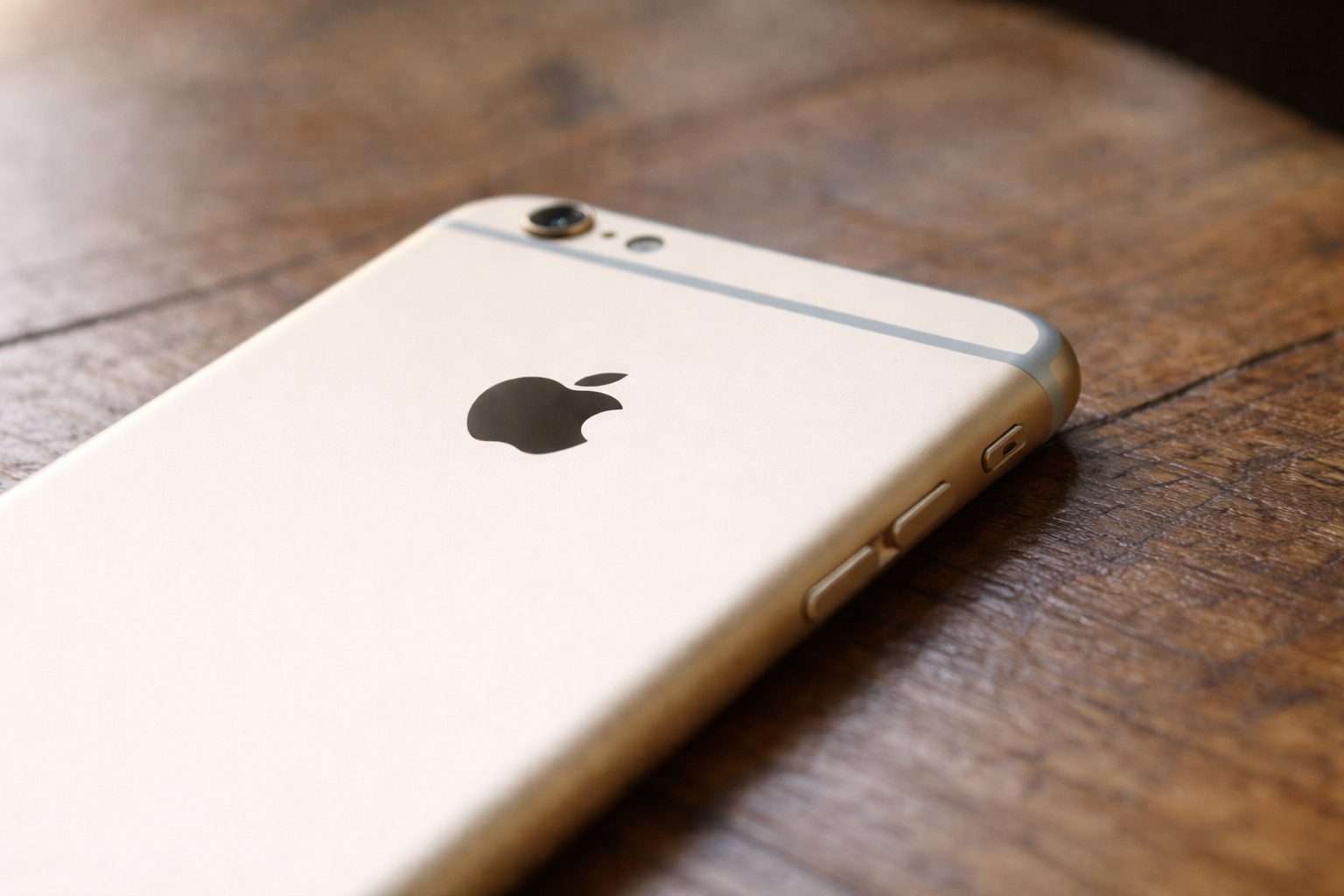
Apple’s security releases page lists iOS 12.5.8 for iPhone 5s, iPhone 6 and 6 Plus, iPad Air, iPad mini 2 and 3, and the sixth-generation iPod touch. The page also shows Apple released iOS 26.2.1, iOS 18.7.4, iOS 16.7.13, iOS 15.8.6 and watchOS 26.2.1 on Jan. 26, and notes each update “has no published CVE entries” — a reference to the Common Vulnerabilities and Exposures system used to catalogue disclosed security flaws. 3
The Mac Observer said the bundle matters for people keeping older iPhones in use, or handing them down, because Apple is still shipping maintenance patches across several software generations rather than forcing upgrades. 4
The iPhone 5s debuted in September 2013 and the iPhone 6 launched in September 2014, and both last got software updates in January 2023, MacRumors reported. The site said Monday’s iOS 12 patch comes about eight years after iOS 12 first shipped, and noted Apple also pushed iOS 15.8.6 the same day for the iPhone 6s and other devices on iOS 15 with the same certificate extension. 5
Apple’s own iOS 15 release notes for iOS 15.8.6 use nearly identical language, saying the update extends the certificate needed for iMessage, FaceTime and device activation to keep working after January 2027. 6
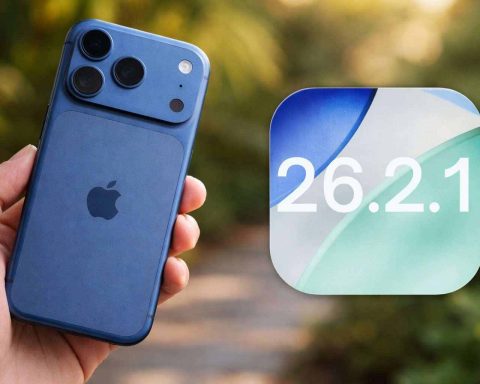
Apple also released iOS 26.2.1, and its update notes say it “provides support for AirTag (2nd generation) along with bug fixes.” 7
Wccftech said Apple has also rolled out fresh developer beta builds, including iOS 26.3, as part of what it described as a broader wave of software updates. 8
Apple rarely sets a single public support end-point for iPhones, but a UK filing tied to new product security rules showed it committed to at least five years of security updates from a device’s launch, MacRumors reported in 2024. The report said Samsung and Google advertise longer update windows on some flagship Android phones, putting update duration closer to a front-line spec. 9
But Monday’s iOS patches appear aimed at keeping core services running, not adding features, and Apple has not published a list of specific security fixes for the releases. Users who do not install them could still hit service disruptions down the line, and devices pinned to older iOS versions remain outside newer security and privacy changes.
Apple did not say how long it would keep issuing service-related updates for iOS 12 beyond the January 2027 certificate extension. For now, it buys time for older iPhones still in drawers, in circulation or on the resale market.