
CUPERTINO, April 21, 2026, 08:53 PDT
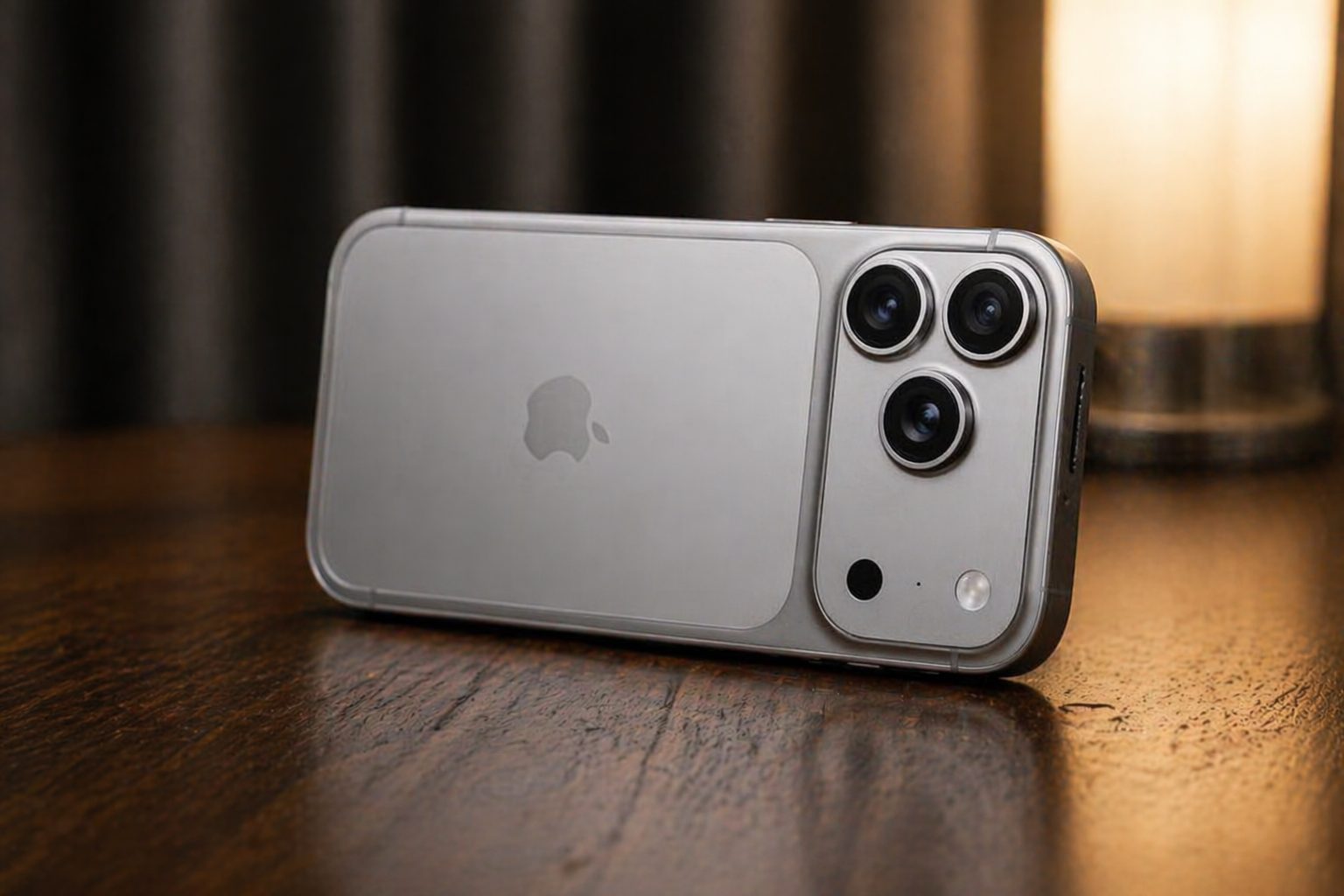
Apple is weighing the addition of a 200-megapixel periscope telephoto camera to an upcoming iPhone, a supply-chain note from Weibo leaker Digital Chat Station suggests. But new reporting puts the likely debut further out, with 2028 now looking like the target instead of a near-term rollout. A periscope telephoto camera leverages folded optics to squeeze extended zoom capability into a slim smartphone frame.
Timing is key here. Up to now, Apple’s Pro iPhones have stuck with 48-megapixel sensors on the back, working in zoom capabilities via its “Fusion” camera tech and processing rather than hardware. But dig into the iPhone 17 Pro specs and you’ll spot three 48MP cameras: main, ultra-wide, and telephoto—plus an 8x “optical-quality” zoom on the telephoto lens. Apple
Jumping to 200MP would let Apple crop in on far-off subjects without losing sharpness—a real boost for zoomed-in photos, not just headline numbers. That would also push the iPhone nearer to Android competitors like Samsung and a handful of Chinese brands, all of which have relied on high-res sensors for years.
The latest signal matches up with a previous investor note. Back in January, Morgan Stanley analysts predicted Apple would integrate Samsung’s 200MP cameras into the iPhone lineup in 2028, while expanding its supplier base to avoid relying too heavily on a single partner, according to AppleInsider.
Digital Chat Station didn’t offer much detail. The post mentioned Apple is looking at a 200MP periscope telephoto and noted that major brands are shifting to 200MP sensors. There was no mention of mass production, nor did it specify any iPhone model. So, this still falls under early-stage supply chain chatter.
According to 9to5Mac, the leaker now sees the launch happening in 2028, with Samsung lined up as the expected module maker. Sony, though, is still in the running for orders. The supplier angle matters—Apple has a long-standing arrangement with Sony when it comes to iPhone camera sensors. Bringing Samsung into the mix would complicate a relationship that already sits somewhere between rivalry and pure business.
Android manufacturers jumped ahead early. The Galaxy S23 Ultra from Samsung arrived in 2023 with a 200MP wide camera. According to Android Authority, other brands—Vivo, OPPO, Honor, Xiaomi—are already using 200MP sensors in their telephoto lenses, aiming for sharper results at long zoom.
Sensor suppliers aren’t standing still, either. Back in November, Sony announced the LYTIA 901, a 1/1.12-type mobile image sensor boasting roughly 200 effective megapixels. The chip features 16-pixel clustering for better low-light shots, plus AI-powered remosaicing to sharpen zoomed images. Binning, in this context, simply means pixels are grouped together so the camera pulls in more light—useful when you don’t need all 200MP at once.
The evidence isn’t strong. Apple runs all kinds of part tests that never make it to production, and AppleInsider pointed out the reputation of Weibo leakers is spotty—Digital Chat Station, for one, has wavered on whether the 200MP iPhone camera might land in 2027 or 2028. Practical hurdles—cost, production yields, heat, battery drain, low-light performance—still risk pushing Apple to delay or rethink its sensor strategy.
Bottom line for buyers: don’t count on a 200MP iPhone camera any time soon—it’s shaping up as a drawn-out supply chain effort, not something for 2026. According to MacRumors, Digital Chat Station’s newest update walks back a March statement that put a 200MP sensor as early as next year. For the iPhone 18 Pro, expectations remain centered on 48MP camera enhancements, including variable aperture and better telephoto.