SAN FRANCISCO, Jan 16, 2026, 01:32 (PST)
- iOS 26.3 beta 2 code points to end-to-end encryption controls for RCS texts between iPhone and Android
- Early references appear tied to a small set of carrier bundles, with activation still unclear
- The move would narrow a long-running security gap in cross-platform texting
Apple is edging closer to offering end-to-end encryption for Rich Communication Services (RCS) texts between iPhones and Android phones, after new references surfaced in carrier bundles tied to iOS 26.3 beta 2, according to a Yahoo Tech report. 1
That matters because RCS — a modern replacement for SMS that adds features like read receipts and better photo sharing — has been available on iPhones since iOS 18, but cross-platform chats have largely lacked end-to-end encryption, meaning phone companies and other intermediaries could potentially see message content as it moves across networks. 2
The catch is timing and reach. Android Authority said the beta appears to include a new carrier-controlled setting for encryption, but only four French carriers show the line of code so far, and none has enabled it yet. 3
SamMobile reported that iOS could be moving toward RCS Universal Profile 3.0, a GSMA-backed standard upgrade that would improve compatibility with Samsung’s Galaxy phones and other Android devices. Alongside end-to-end encryption, it said the profile adds iMessage-style extras like Tapback reactions (emoji responses), in-line replies, and the ability to edit or unsend a message shortly after sending. 4
Forbes also pointed to iOS 26.3 beta signals, saying Apple appears to be laying groundwork that would let carriers support end-to-end encryption for RCS messages. 5
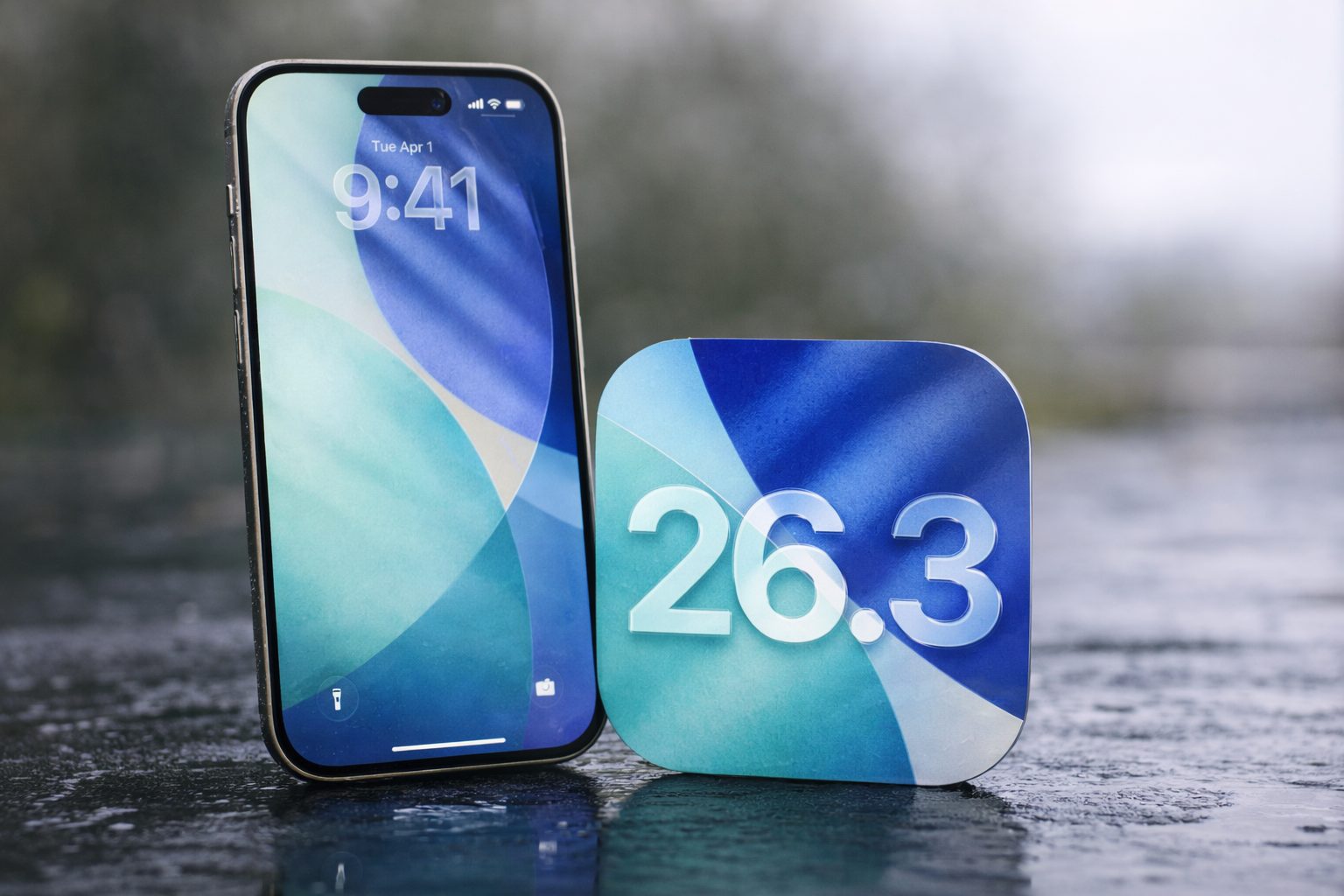
The broader iOS 26.3 update is expected later this month, and early betas include smaller changes such as wallpaper tweaks, a new iPhone-to-Android transfer option, and additional compliance-related features for European Union users, 9to5Mac wrote. 6
Apple has framed encrypted RCS as part of its long-running privacy pitch. “End-to-end encryption is a powerful privacy and security technology,” Apple spokesperson Shane Bauer said in a March 2025 statement about bringing encryption to the RCS Universal Profile. 7
The GSMA’s technical director, Tom Van Pelt, said the updated specifications show how to apply Messaging Layer Security (MLS) — a standard for encrypting messages — in RCS so content stays confidential “as they travel between clients,” according to The Hacker News. The same report noted Google’s Messages app already uses end-to-end encryption for some RCS chats, but that protection has not generally extended to iPhone-to-Android conversations. 8
Still, the rollout could be messy. Heise reported the GSMA wants RCS clients to switch encryption on by default, but it also allows exceptions where local rules prohibit it — and the iOS beta evidence suggests carriers, not Apple alone, may decide when the protection shows up market by market. 9
For now, users will be watching for two signals: Apple shipping iOS 26.3 to the public, and carriers actually enabling encrypted RCS in their network settings. Until both happen, the green-bubble problem stays mostly the same.