
Cupertino, April 18, 2026, 10:41 PDT
- Apple’s on the case with a fix for an iPhone passcode glitch linked to the Czech háček character, according to The Register.
- Custom alphanumeric passcodes—those password-style codes that mix letters, numbers, or symbols—can be impacted by the issue.
- Apple hasn’t said when a fix might come, nor has the company confirmed one is in the works.
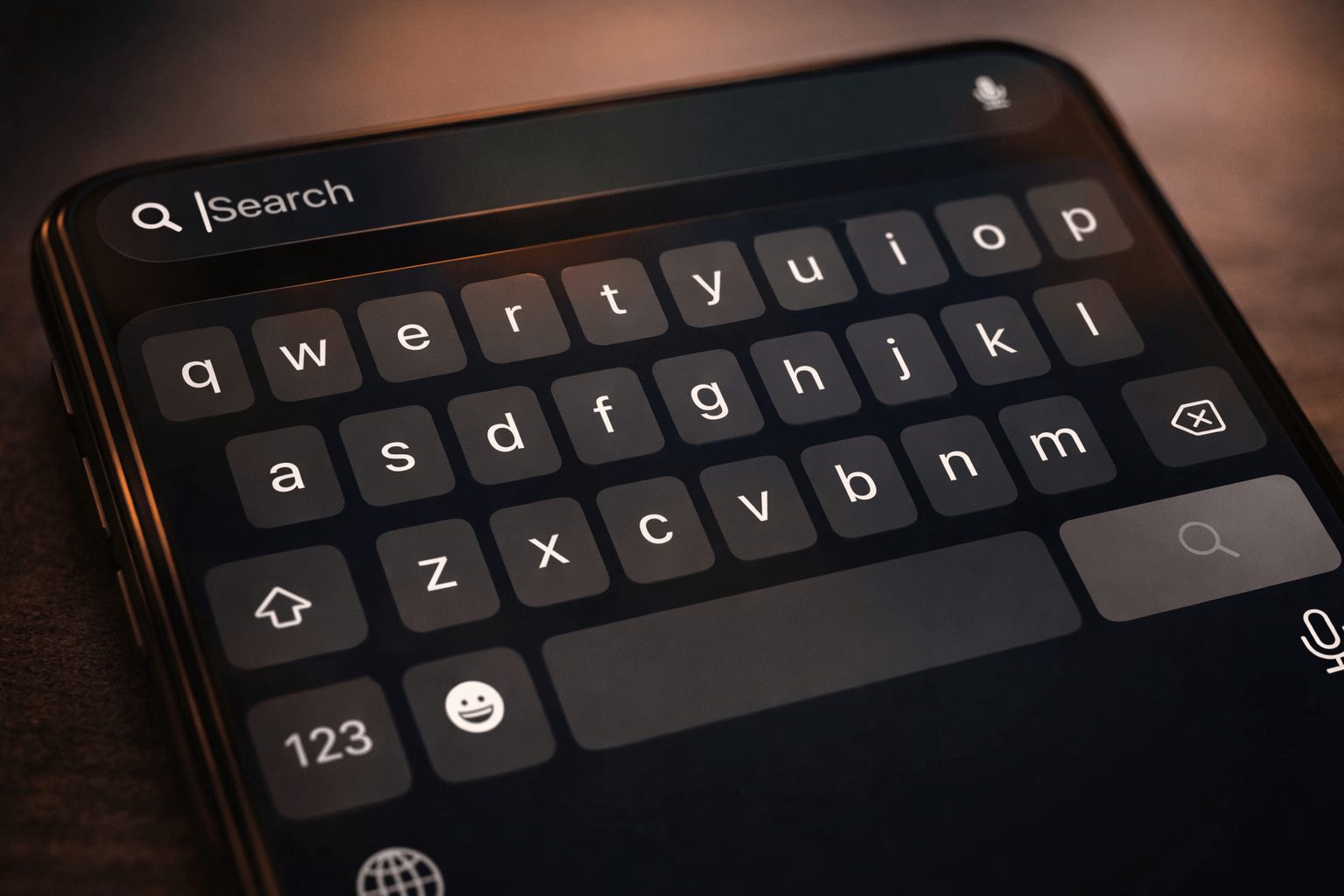
Apple’s scrambling to patch a lock-screen keyboard glitch that’s locked some iPhone owners out of their devices after a recent iOS update, according to The Register. At the heart of the mess: the Czech háček, or caron—the ˇ diacritic.
This issue isn’t just a minor annoyance—it can lock people out of their entire device over something as simple as a keyboard tweak. If photos or files haven’t been backed up, the typical fix forces users into a reset that wipes the phone clean. Apple’s own support page lays it out: if you forget the passcode, a reset is the only way back in, and that means everything on the iPhone gets erased.
In Czechia, where diacritics are woven into everyday writing, the case is getting noticed. Expats.cz flagged practical headaches for people who use non-standard characters in their device passwords—software updates can quietly alter keyboard behavior, leaving users caught off guard.
According to The Register, Connor Byrne, a 21-year-old university student in the U.S., ran into trouble after updating his iPhone 13 from iOS 18 to iOS 26.4 on April 5. His custom alphanumeric passcode—featuring the háček—stopped working; the lock-screen keyboard just wouldn’t recognize it as before.
According to TechRadar, the character could still be typed normally, but it wouldn’t work when entering a lock-screen passcode. People online tried workarounds—scanning a handwritten passcode, plugging in an external keyboard—but none of those cracked it, the outlet said.
The lockout poses more of a challenge since an iPhone requires a passcode following any restart or software update—Face ID won’t unlock it until then. Apple’s Face ID support page instructs users to reboot the device and punch in the passcode before attempting Face ID once more. Separately, Apple’s USB accessory guidance notes that, as a rule, an iPhone needs to be unlocked before it’ll talk to a computer or accessory.
Apple lets users pick between four-digit, custom numeric, or custom alphanumeric passcodes. That last one is supposed to boost security. But as this case highlights, problems can crop up if the lock screen keyboard later won’t match the input method a user originally set.
Apple hasn’t made any public comment about the bug in question. According to The Register, company spokespeople didn’t get back to its requests for comment, though iOS engineers are said to be preparing a fix slated for a future iOS 26 release.
The catch is timing. On its security releases page, Apple lists iOS and iPadOS 26.4.1 as the most current versions, and points out that once installed, iOS, iPadOS, tvOS, watchOS, and visionOS can’t be downgraded—users lose the option to return to an earlier keyboard experience.
Competitive pressure isn’t huge here, but it’s not zero. Byrne told The Register he’s sticking to his plan to switch over to Android, calling Samsung’s Galaxy S26 Ultra his first choice—even if Apple does roll out a fix.
Apple isn’t facing a sweeping outage here. Instead, there’s an inconvenient quirk undermining a key guarantee: toughened device security isn’t supposed to lock out rightful users. The take-home for now is clear enough—don’t use unusual keyboard symbols in your lock-screen passcode. And make sure your backup’s up to date.