Sydney, March 27, 2026, 04:21 AEDT
Australia’s S&P/ASX 200 closed off by 0.1% at 8,525.70 on Thursday, essentially flat as declines in the mining sector canceled out strength in energy and healthcare stocks. With Sydney’s Friday cash session still ahead, that subdued finish is the last datapoint for investors heading into the next round. 1
The pause is notable, coming right after a 1.9% rally on Wednesday, with the benchmark still staring at its sharpest monthly slide since September 2022. Traders have been whipsawed by mixed messages out of Washington and Tehran on whether the Middle East conflict will ease or deepen its impact on energy markets. 1
Inflation numbers on the local front offered little in the way of relief. Annual consumer prices, according to ABS data, edged down to 3.7% in February from 3.8% previously. The trimmed mean — a measure that omits some of the wildest price moves — stuck at 3.3%. “Eased slightly,” was how ABS prices chief Sue-Ellen Luke put it. 2
Still, February feels old news to investors. “Uncertainty and volatility are in the front seats” now, Russel Chesler, who heads investments and capital markets at VanEck, told Reuters. He flagged that higher energy costs are poised to filter through transport, goods and services. 3
The Reserve Bank of Australia finds itself squarely in the fray. Rates have gone up twice this year, hitting 4.1%. Marc Jocum, senior product and investment strategist at Global X ETFs, expects the RBA won’t be swayed by immediate headlines—he points out that most of the inflationary pressure is probably already tied up in fuel prices and sentiment. The bank’s next policy call is set for May 4-5. 3
Christopher Kent, Assistant Governor at the RBA, didn’t mince words Thursday: “The longer the conflict persists, the larger the economic impact will be,” he said. He emphasized the central bank’s job is to prevent an initial surge in prices from seeping into longer-term inflation expectations. 4
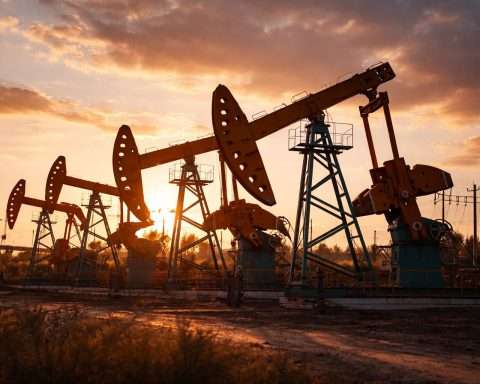
Miners slipped another 0.6%, dragging their monthly loss past 15% as iron ore prices continued to weigh and gold names dropped 2.1%. Energy was the standout—up 1.5%, marking the sector’s best session in a week. Woodside Energy and Santos each climbed more than 2%. Nickel Industries tumbled over 8%, after halting its Hengjaya operations in Indonesia due to a deadly accident earlier this week. 1
Broader conditions offered little relief. Brent crude topped $105 a barrel on the heels of Iran rejecting talk rumors with the U.S. “We’re in a market that’s being driven by oil prices,” said Peter Cardillo, chief market economist at Spartan Capital Securities. 5
For Australia, that’s a bigger deal than Thursday’s muted trading hints. The market propped up by Woodside and Santos could shift fast if oil extends its climb and rate jitters return. Miners, on the other hand, are still vulnerable to softening bulk commodity prices and any slip in Chinese demand. Those are signals coming from sector moves, oil prices and inflation cues—not a call on what’s next. 5
There’s risk on either side here. Should crude hold above $100 and the Strait of Hormuz remain snarled, the dip in inflation seen in February might be erased by a jump in fuel and shipping prices before the RBA’s May meeting. A concrete ceasefire, on the other hand, would quickly take that pressure off. 5
The ASX remains divided: energy names are showing some life, while miners lag. The broader market can’t seem to sustain a relief bounce. Friday’s open will test whether things slip further or just stall again. 1