Comets 16 January 2026 - 22 January 2026

NASA’s TESS Spots Rare Interstellar Comet 3I/ATLAS — New Data Target Its Spin

NASA’s TESS Spots Rare Interstellar Comet 3I/ATLAS — New Data Target Its Spin

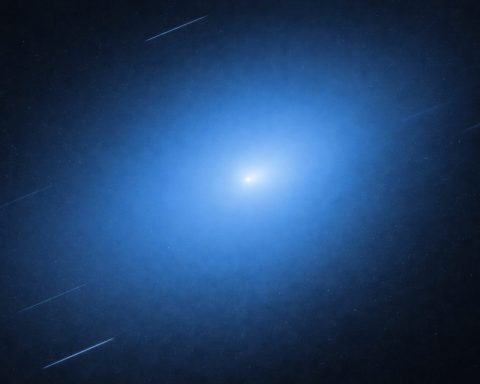
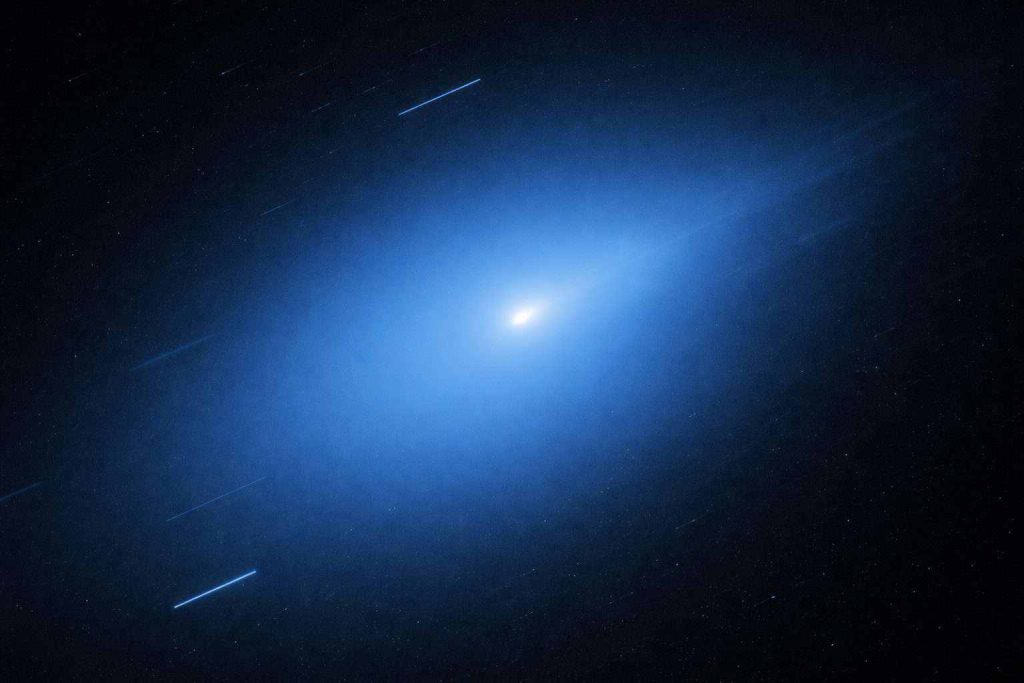
NASA’s TESS spacecraft, known for hunting planets, has snapped new images of the interstellar comet 3I/ATLAS. This recent dataset offers scientists a close-up look at how the comet is acting as it leaves our solar system. Why this matters now: 3I/ATLAS ranks just third among known objects confirmed to have originated outside our solar system. Time is ticking for gathering valuable observations as it dims and moves away.
January 30, 2026
NASA’s TESS pauses planet hunt to track interstellar comet 3I/ATLAS as a rare alignment hits

NASA’s TESS pauses planet hunt to track interstellar comet 3I/ATLAS as a rare alignment hits

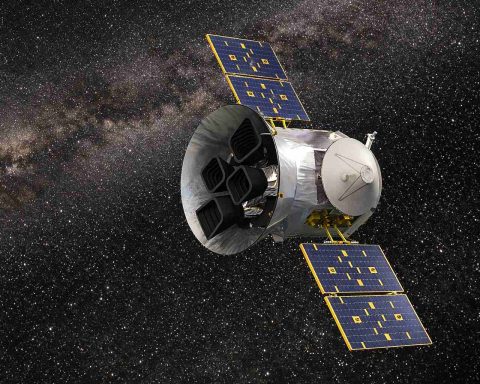
NASA has shifted its planet-hunting satellite TESS to focus on a special observation of interstellar comet 3I/ATLAS, pausing its usual star survey for exoplanet searches. The updated schedule reveals TESS will point along the solar system’s ecliptic from Jan. 15-22, then pick up again with its Sector 99 campaign. The timing is crucial since a recent paper predicted 3I/ATLAS would line up within less than a degree of the Earth-Sun axis this Thursday—a configuration called near-opposition. At such tiny viewing angles, dust can produce an “opposition surge,” a nonlinear brightness spike caused by the way light scatters off particles.
January 22, 2026
NASA interrupts TESS survey to track interstellar comet 3I/ATLAS as SPHEREx spots stronger gases

NASA interrupts TESS survey to track interstellar comet 3I/ATLAS as SPHEREx spots stronger gases

NASA has retasked its Transiting Exoplanet Survey Satellite to run a special observation of interstellar comet 3I/ATLAS, temporarily interrupting its Sector 99 schedule, the agency said. The Jan. 15–22 pointing will deliver continuous photometry — precise brightness measurements — and NASA said the data will be calibrated and publicly archived with no proprietary period. The move reflects a short window. NASA says 3I/ATLAS is only the third known interstellar object — after 1I/'Oumuamua and 2I/Borisov — and its hyperbolic track means it will not stay bound to the sun. It poses no danger to Earth and should remain observable with a small telescope into spring, NASA says.
January 21, 2026