Health 6 August 2025 - 14 October 2025

Is Your Child’s Screen Time a Hidden Crisis? The Alarming New Reality of Kids and Smartphones

Is Your Child’s Screen Time a Hidden Crisis? The Alarming New Reality of Kids and Smartphones

About 90% of U.S. children under 12 watch TV and 61–68% use smartphones or tablets, though most parents say kids should be at least 12 before getting a phone. A global survey links early smartphone use to worse mental health, but a recent Oxford-led study found no evidence that daily screen exposure harms cognitive development. Official guidelines urge strict limits, and public debate over children’s phone use is intensifying.
October 14, 2025
Pig Neurons in Human Brains? The 2025 Reality Check on Neuron Xenotransplantation—Breakthroughs, Risks, and What Happens Next

Pig Neurons in Human Brains? The 2025 Reality Check on Neuron Xenotransplantation—Breakthroughs, Risks, and What Happens Next

Porcine interneuron precursors have successfully engrafted and functioned in rodents and an epileptic sea lion. Human neurons and glia have integrated into animal brains in research settings. In 2024–2025, FDA-cleared kidney xenotransplant trials began enrolling, and regulators updated guidance, but neuron xenotransplantation in humans has not yet started. Advances in CRISPR and immune-shielded pigs have improved safety foundations.
August 18, 2025
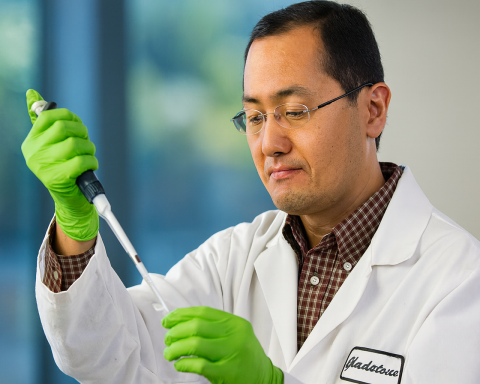
Yamanaka Factors Are Resetting Aging Cells

Rewinding the Clock: How Yamanaka Factors Are Resetting Aging Cells

In 2022, 124-week-old mice treated with inducible OSK via AAV9 and a 1-day-on/6-days-off cycle lived about twice as long in remaining lifespan, with a 9–12% median lifespan extension. Earlier studies showed partial reprogramming with OSKM extended lifespan and improved tissue function in mice. Human cell experiments reset aging markers by about 30 years. Safety concerns, including cancer risk, remain unresolved.
August 18, 2025
Senolytic Drugs

The Secret “Zombie Cell” Killers: Niche Senolytic Drugs Fighting Aging’s Clock

A Mayo Clinic-led Phase 2 trial published July 2024 found dasatinib plus quercetin modestly increased wrist bone density in older women with high senescent-cell burden. Unity Biotechnology’s foselutoclax improved vision in diabetic macular edema patients after a single injection. About 20 senolytic clinical trials are underway worldwide, with Alzheimer’s disease results expected in 2025.
August 17, 2025
Smart Fabrics with Sensors

Smart Fabrics with Sensors: The Wearable Tech Revolution You Didn’t See Coming

The global smart fabrics market reached $6–8 billion in 2024, with defense accounting for 29% of revenue. Recent products include Google’s touch-sensitive Jacquard jacket, Cornell’s exercise-tracking SeamFit shirt, and Cambridge’s AI sleepwear. The U.S. intelligence community’s SMART ePANTS program received $22 million in 2023. Sports and fitness is the fastest-growing sector, expanding at about 35% annually.
August 15, 2025
How Engineering Nature’s Catalysts is Transforming Medicine, Food & the Planet

The Enzyme Revolution: How Engineering Nature’s Catalysts is Transforming Medicine, Food & the Planet

The global industrial enzyme market was valued at $9 billion in 2019 and is projected to reach $13.8 billion by 2027. Advances include the 2022 development of FAST-PETase, a machine-learning-designed enzyme that breaks down plastic waste in 24 hours, and a 2024 report of a highly evolved CRISPR-Cas enzyme variant with low off-target activity.
August 14, 2025
The Future of Artificial Blood, Organs, and Tissues - Breakthroughs and the Road to Transplantation

In late 2022, UK researchers transfused lab-grown red blood cells into humans for the first time. The cost per unit dropped below $5,000 but remains higher than donated blood. In December 2024, the FDA approved Humacyte’s lab-grown blood vessel graft for trauma repair. Over 100,000 people in the U.S. await organ transplants; nearly 20 die daily.
August 13, 2025
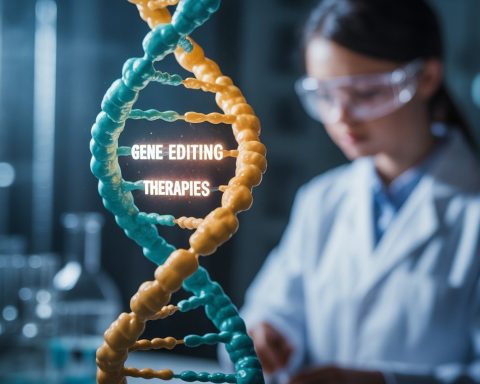
How Gene Editing Therapies Are Curing the “Incurable”

DNA Makeover: How Gene Editing Therapies Are Curing the “Incurable”

Casgevy became the first FDA-approved CRISPR-based therapy for sickle cell disease in late 2023, editing blood stem cells to boost fetal hemoglobin. Roctavian and Hemgenix, approved in 2023 and 2022, treat hemophilia A and B with single IV infusions that reduce bleeding and raise clotting factors. Zolgensma, approved in 2019 for spinal muscular atrophy, delivers a working gene in one dose.
August 12, 2025
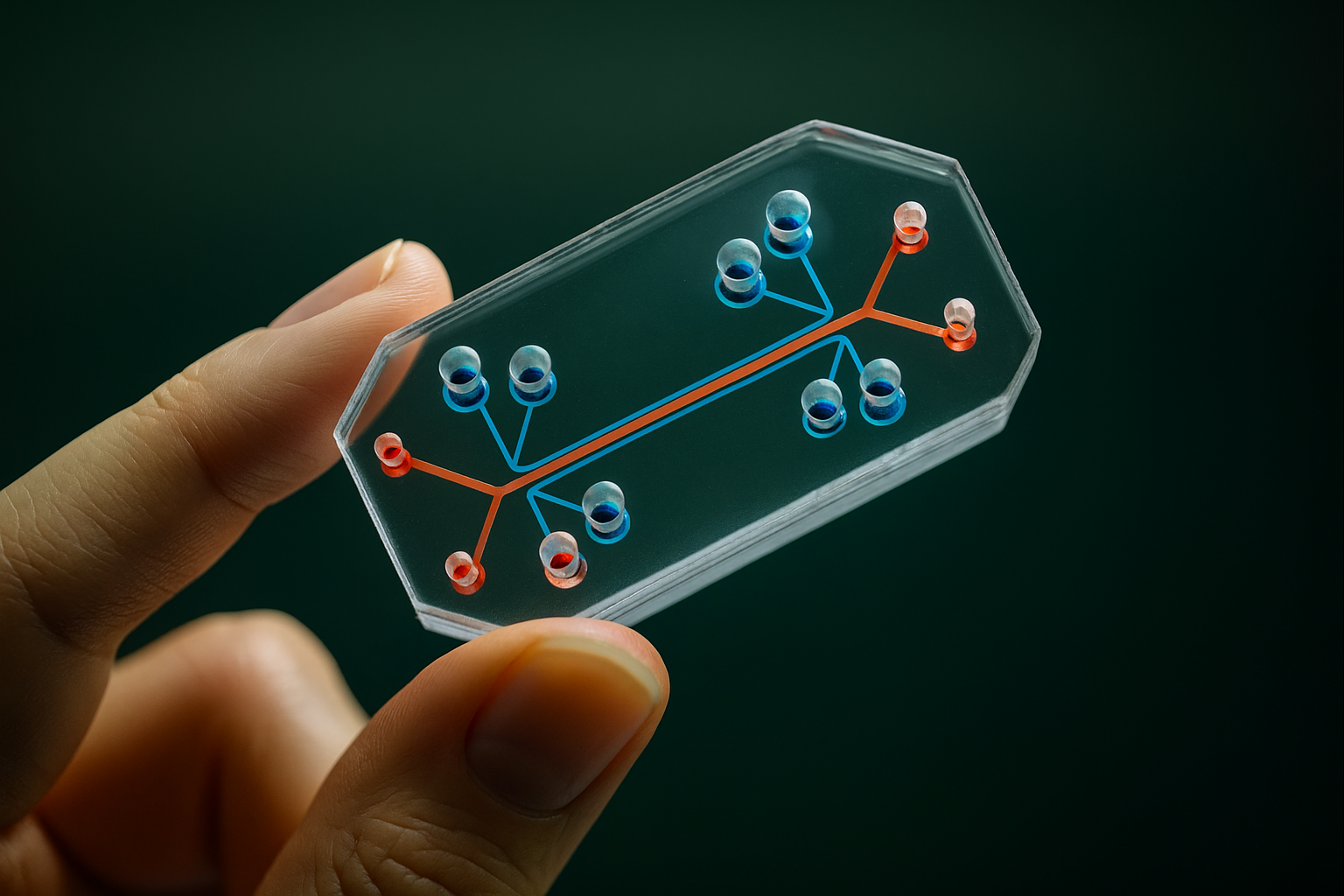
Organ-on-a-Chip Technology

Lab Rats No More: How Organ-on-a-Chip Technology is Revolutionizing Drug Testing

The FDA announced in April 2025 it will phase out many animal tests within 3–5 years, starting with monoclonal antibody drugs. Columbia University linked four human organ tissues on a single chip, keeping them alive and communicating for weeks. A kidney-on-a-chip predicted drug toxicity missed by animal tests. The global organ-on-a-chip market is projected to reach nearly $1 billion by decade’s end.
August 10, 2025
The mRNA Revolution Transforming Medicine

Beyond COVID Vaccines: The mRNA Revolution Transforming Medicine

COVID-19 mRNA vaccines showed 94–95% efficacy in trials and over 13 billion doses were administered globally by 2022. In 2023, Moderna and Merck reported their personalized mRNA melanoma vaccine reduced recurrence or death by 44%. Moderna's RSV vaccine mRESVIA gained FDA approval in May 2024. The WHO set up an mRNA technology hub in South Africa in 2021, expanding to at least 15 countries by 2025.
August 10, 2025
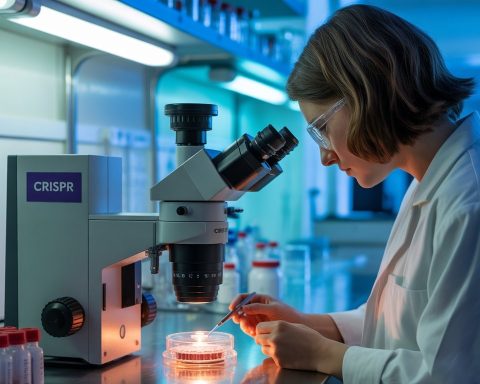
The Gene Editing Revolution Transforming Medicine

How CRISPR Is Curing the Incurable – The Gene Editing Revolution Transforming Medicine

Casgevy became the first CRISPR-based medicine approved for sickle cell disease in the UK and U.S. in late 2023. In June 2025, doctors used a custom CRISPR-Cas system to treat a baby with CPS1 deficiency in Philadelphia. Dozens of CRISPR therapies are in clinical trials worldwide, with Lyfgenia also approved. Doudna and Charpentier won the 2020 Nobel Prize for CRISPR.
August 6, 2025