HKG:1211 8 August 2025 - 8 May 2026

BYD Car Carrier Heads to Australia as Ford, Mazda Trail

BYD Car Carrier Heads to Australia as Ford, Mazda Trail

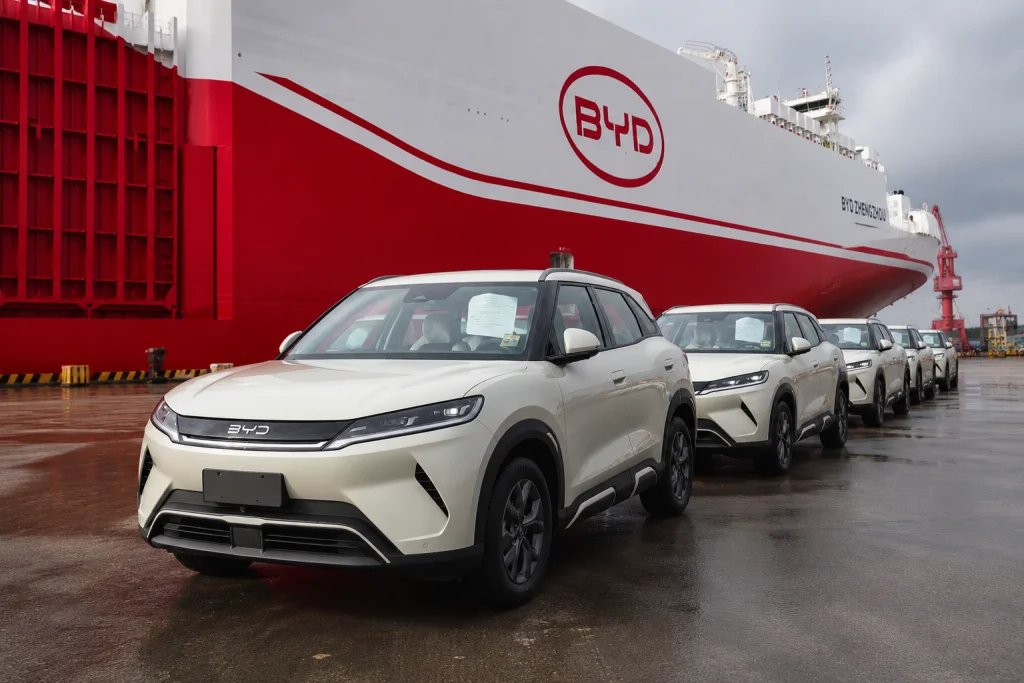
BYD has sent one of its own car carriers out of Shanghai, loaded with 4,810 BYD and Denza vehicles headed for Australia. The shipment is meant to meet strong orders with deliveries in June. The company describes the cargo as new-energy vehicles—battery-electric and plug-in hybrid models that can recharge from the grid but also have a petrol engine. Timing is key. Australia's EV market picked up in recent months as more models arrived and high fuel prices pushed buyers toward lower running costs. Battery-electric vehicles made up a record 16.4% of new vehicle sales in April, according to AADA.
May 20, 2026
BYD Set for Australia Emissions Credit Windfall as Shark 6 Expands and Hungary Questions Grow

BYD Set for Australia Emissions Credit Windfall as Shark 6 Expands and Hungary Questions Grow

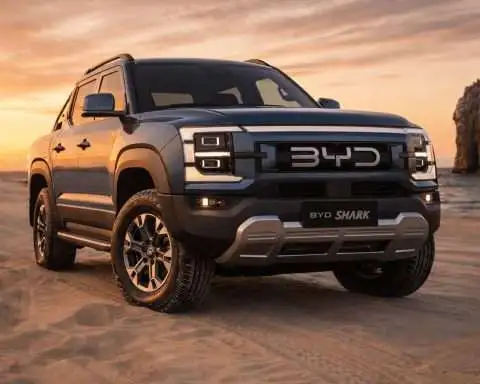
BYD is emerging as a key beneficiary of Australia’s new vehicle emissions rules. As of March 13, regulator data shows the company’s local units held 6.28 million tradable credits. BDO puts the value of those credits between A$562 and A$972 for each imported car. The lift follows a Friday Drive report that BYD’s Shark 6 ute, cab-chassis model, has landed in Australia. Timing is key here: BYD has been ramping up its push into international markets as sales growth slows and competition heats up at home in China. Reuters says the company is aiming for 1.3 million overseas shipments this year. Australia, meanwhile, has just launched a tradable market with its New Vehicle Efficiency Standard. Europe is also in focus
March 21, 2026
Energy Storage Revolution

2025 Energy Storage Revolution: Breakthrough Batteries, Gravity Systems & Hydrogen Powering the Future

Energy storage sits at the heart of the clean energy transition, enabling solar and wind power to deliver electricity on demand. Record-breaking growth in 2024 set the stage for an even bigger 2025, as nations ramp up batteries and other storage to meet climate goals woodmac.com. The International Energy Agency projects global storage capacity must reach 1,500 GW by 2030, a 15-fold increase from today – with batteries accounting for 90% of that expansion enerpoly.com. This surge is driven by urgent needs: balancing grids as renewables surge, providing backup for extreme weather, and powering new electric vehicles and factories around the clock. From home Tesla Powerwalls to giant pumped hydro dams, storage technologies are evolving rapidly. Emerging markets from Saudi
August 8, 2025