Neuroscience 5 August 2025 - 12 August 2025

Smart Fabrics with Sensors

Smart Fabrics with Sensors: The Wearable Tech Revolution You Didn’t See Coming

Imagine wearing a shirt that monitors your heart rate, a dress that lights up with your mood, or a soldier’s uniform that can transmit location and health data in real time. This isn’t science fiction – it’s the emerging reality of smart fabrics with sensors, also known as smart textiles or e-textiles. These are high-tech fabrics interwoven with sensors, microcontrollers, and conductive yarns to create clothing that “goes beyond mere attire; it becomes a tool for monitoring, enhancing performance, and providing data” spyscape.com. In other words, your clothing itself becomes a wearable gadget. Smart fabrics represent a quiet revolution in wearable technology, one that many people “didn’t see coming” because it’s seamlessly hidden in the clothes we already wear. Unlike

August 15, 2025
Uploading Minds - Whole Brain Emulation - WBE

Uploading Minds: The Race for Whole Brain Emulation (WBE) and Its Profound Implications

Introduction: From Sci-Fi to Scientific Quest Imagine a future where you could upload your mind into a computer and live indefinitely in a digital form. This concept – once confined to science fiction – is now the subject of serious scientific research and futurist dreams. It’s known as Whole Brain Emulation, or more popularly mind uploading. The basic idea is to create a software replica of a person’s brain that reproduces the same patterns of thinking, memory, and consciousness as the original. In theory, the uploaded mind would behave and experience the world just like the human brain it came from en.wikipedia.org. Proponents see WBE as a potential path to “digital immortality,” allowing individuals to transcend biological death and perhaps
August 12, 2025
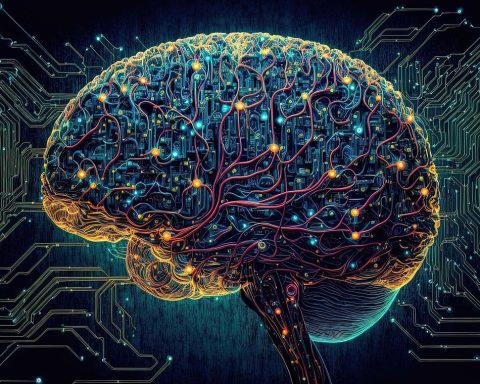
Mind Over Machine: The Astonishing Rise of Brain-Computer Interfaces (BCIs)

Mind Over Machine: The Astonishing Rise of Brain-Computer Interfaces (BCIs)

Brain-computer interfaces – devices that connect our brains directly to computers – are no longer science fiction. Today, brain implants are letting people move, speak, and interact with machines using only their thoughts worksinprogress.co. Although no BCI has FDA approval for general use yet, experts predict the first might arrive within the next five years worksinprogress.co. In the meantime, BCIs are already helping paralyzed patients control computers, pilot prosthetic limbs, and even regain the ability to speak or walk. This in-depth report will explain what BCIs are, how they work, where they came from, what they can do today, and how they might transform our future – for better or worse. A brain-computer interface – also called a brain-machine interface
August 5, 2025