
DENVER, April 29, 2026, 11:01 MDT
- SB26-090, which made it through the state Senate, was halted by a 7-4 vote in a Colorado House committee.
- The measure aimed to carve out certain IT hardware tied to “critical infrastructure,” shielding it from Colorado’s consumer right-to-repair requirements.
- The decision leaves in place repair rights for digital electronics—including restrictions on “parts pairing”—that have been effective since Jan. 1.
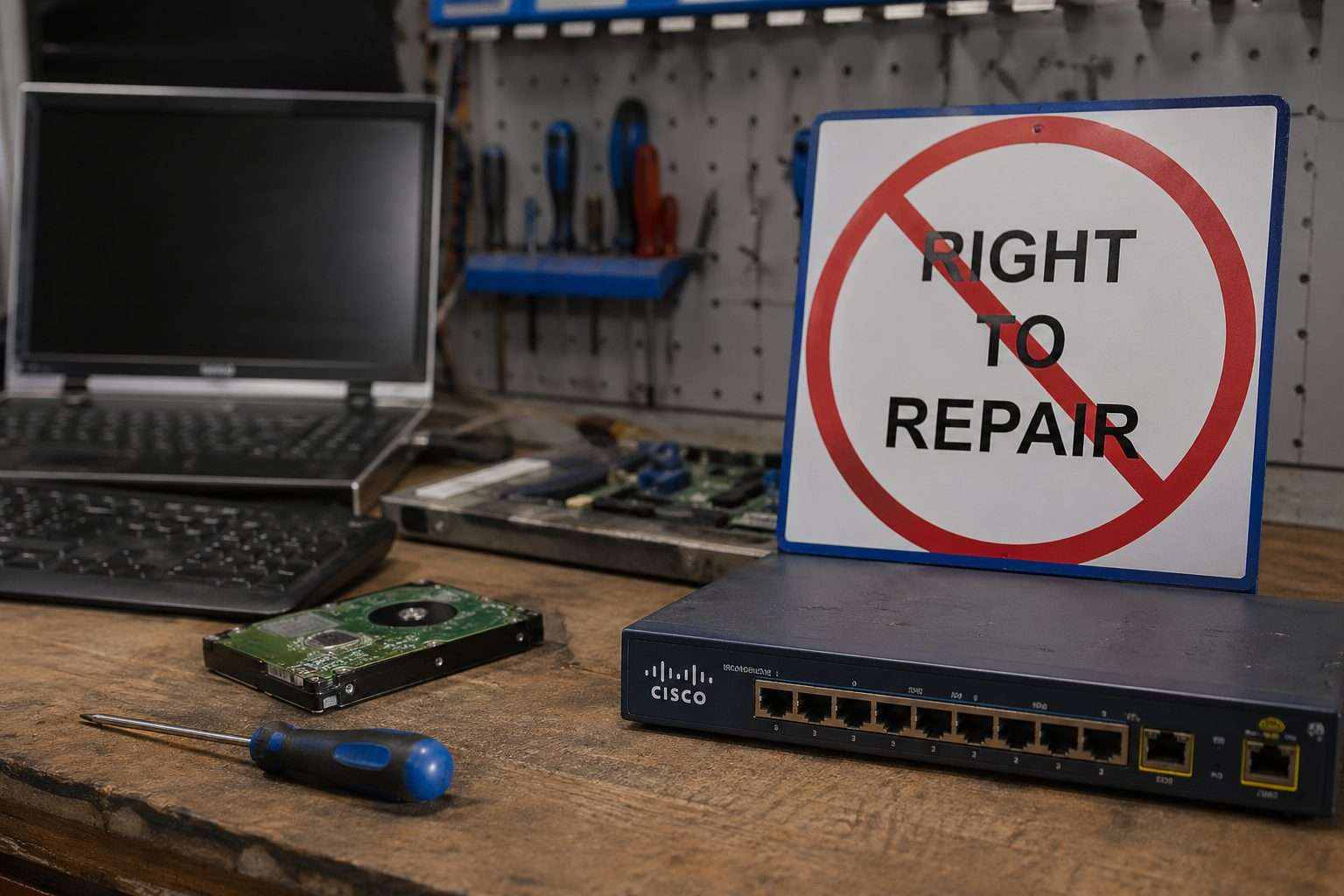
Colorado’s House State, Civic, Military and Veterans Affairs Committee voted 7-4 to block Senate Bill 26-090, a move that leaves the state’s sweeping right-to-repair law unchanged after the bill cleared the Senate, according to CoPIRG. The legislation, backed by the tech industry, would have exempted some IT equipment from the law. The committee’s decision ends the effort to pare back one of the nation’s most expansive repair policies.
This decision lands just as Colorado’s digital-equipment repair law kicked in on Jan. 1, 2024. The so-called “right to repair” lets both device owners and independent technicians access the parts, tools, and manuals needed for fixes—no need to route everything through the manufacturer. Colorado’s statute applies to digital electronics, and it specifically cracks down on “parts pairing,” a software tactic that can block or cripple replacement components. Colorado General Assembly
Under SB26-090, IT gear tagged for “critical infrastructure”—that is, anything essential to security, the economy, public health, or public safety—would have fallen under an exemption. The reengrossed version tightened things further, giving the state attorney general authority to decide if equipment fit the exemption and if it was distributed via business or government contracts instead of retail. Colorado General Assembly
The bill took some sharp turns. First, it cleared the Senate business and technology committee with a unanimous 5-0 vote on April 2. Then, on April 16, the Senate approved it, 22-13. But by April 27, the House committee shelved it for good, according to legislative records.
Enterprise tech firms got involved. According to WIRED, Cisco and IBM backed the proposal, with lobbying disclosures to show for it. The Senate hearing summary recorded testimony in favor from Cisco Systems, TechNet, the Colorado Technology Association, the Consumer Technology Association, and the National Electrical Manufacturers Association.
Backers pitched the bill as a way to bolster security, contending that giving out repair manuals and parts for routers, servers, and other high-risk systems would make it easier for malicious actors to reverse-engineer hardware. “Repair of those systems must be controlled and very tightly managed,” Rep. Anthony Hartsook, one of the bill’s sponsors in the House, told Colorado Politics. Colorado Politics
Critics argued the exemption went too far, warning it might let manufacturers block repair access for standard equipment just because the same model shows up in places like power plants, water facilities, or schools. “Obfuscation is not reliable security,” Alicia Seidle of the Open Source Hardware Association told lawmakers, as reported by Colorado Politics. Colorado Politics
Some cybersecurity specialists are pushing back on the claim that repair access is the real risk here. Billy Rios—a cybersecurity expert and white-hat hacker, according to WIRED—pointed out that defenders don’t have time to sit around waiting for manufacturers to sign off when a remote attack happens. “There is no time,” Rios said. “It doesn’t work that way.” WIRED
Bob Lord and Lauren Zabierek, both former senior advisers at the Cybersecurity and Infrastructure Security Agency, argued in The Colorado Sun that lawmakers’ attention should be on secure defaults, vulnerability disclosure, lifecycle transparency, and patching speed. They criticized the bill, saying it blocked repair access but didn’t get at the underlying problems that make systems insecure.
Repair advocates are calling the vote a victory, though the fight isn’t necessarily over. Nathan Proctor, senior director of U.S. PIRG’s right-to-repair campaign, told WIRED he anticipates lobbyists will continue to push back in Colorado and beyond, especially as other states pick up repair legislation. The Repair Association points to New York, Minnesota, California, and Oregon as states already moving on electronics repair laws.
Colorado’s digital repair law stays on the books for now. It continues to carve out exceptions—motor vehicles, planes, boats, video game consoles, specific medical devices, and some safety, security, construction, and energy gear are all still off the table. Legislators had considered SB26-090, which would have tacked on another debated exemption.