Rolls-Royce shares rose 0.6% to 1,197.60p in London on Wednesday, recovering part of Tuesday’s 3% drop. Berenberg raised its price target to 1,270p but kept a “hold” rating. The company bought back
Apple launched the iPhone 17 in China to large crowds, with strong demand for the Pro Max model despite its ¥9,999 price. Samsung delayed its tri-fold Galaxy and XR headset launches to late October, but began rolling out One UI 8 with advanced AI features. Chinese brands realme, Xiaomi, and Huawei unveiled new value-focused phones. EU rules for longer device lifespans took effect in 2025.
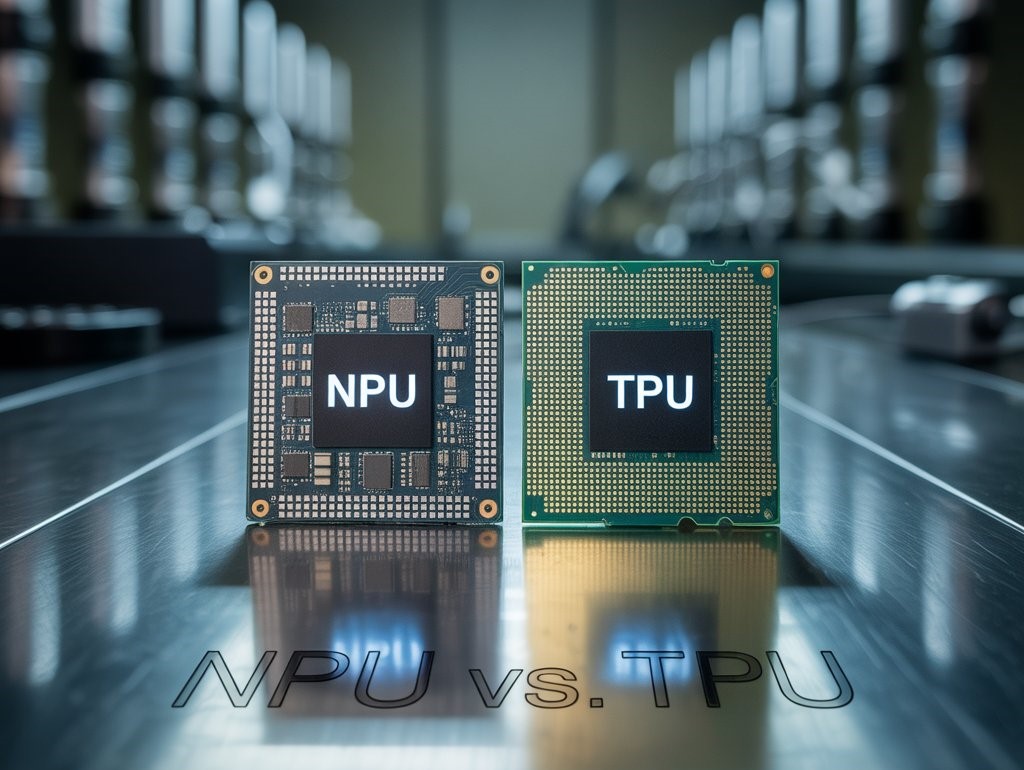
Apple’s A11 Neural Engine enabled Face ID and Animoji in 2017; the A17 Pro’s 16-core NPU reached 35 TOPS in 2023. Google Pixel 8, Tesla’s HW4, and NVIDIA Drive Thor now run AI models directly on devices, with Drive Thor hitting up to 2000 TOPS. Qualcomm, MediaTek, Intel, and AMD have all launched NPUs or TPUs powering speech, photo, and translation features without cloud reliance.
Apple’s A11 Neural Engine enabled Face ID and Animoji in 2017; the A17 Pro’s 16-core NPU reached 35 TOPS in 2023. Google Pixel 8, Tesla’s HW4, and NVIDIA Drive Thor now run AI models directly on devices, with Drive Thor hitting up to 2000 TOPS. Qualcomm, MediaTek, Intel, and AMD have all launched NPUs or TPUs powering speech, photo, and translation features without cloud reliance.
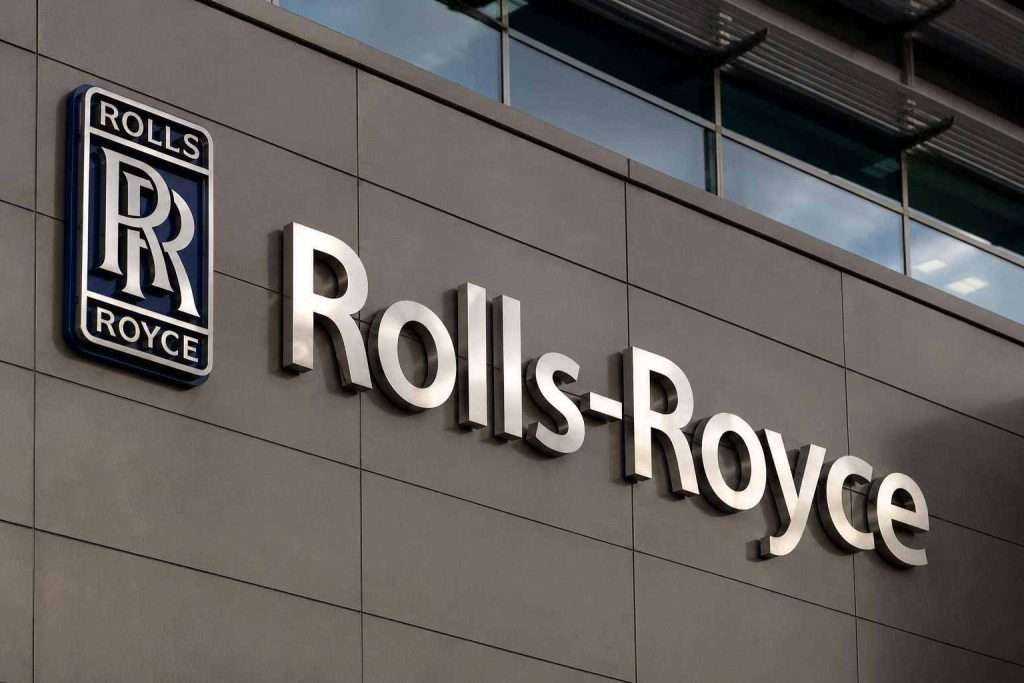
Rolls-Royce sold €1 billion in euro bonds, its first such issue since 2020, attracting orders over €8.1 billion, according to GlobalCapital. Shares fell 2.37% to 1,168.80 pence by 10:03 BST. The company offered two tranches maturing in 2031 and 2036 with coupons of 3.375% and 3.875%. Moody’s and Fitch recently raised Rolls-Royce’s credit ratings, both with stable outlooks.
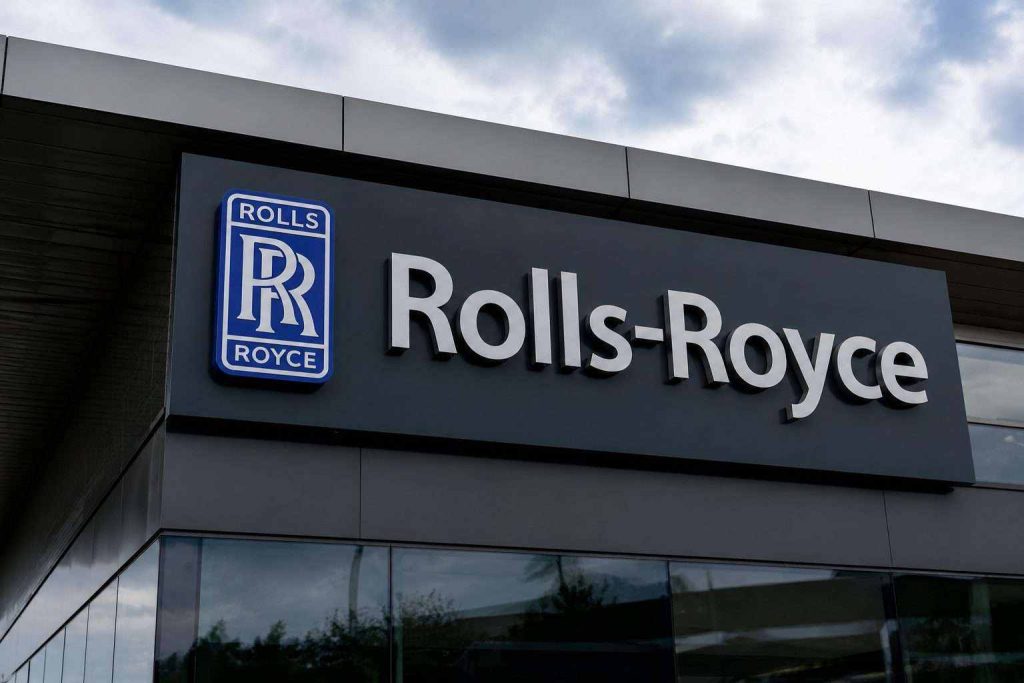
Rolls-Royce shares rose 0.6% to 1,197.60p in London on Wednesday, recovering part of Tuesday’s 3% drop. Berenberg raised its price target to 1,270p but kept a “hold” rating. The company bought back 1.8 million shares last week as part of a £2.3 billion buyback plan. CEO Tufan Erginbilgic reaffirmed 2026 targets, including £4.0–4.2 billion in core profit and £3.6–3.8 billion in free cash flow.
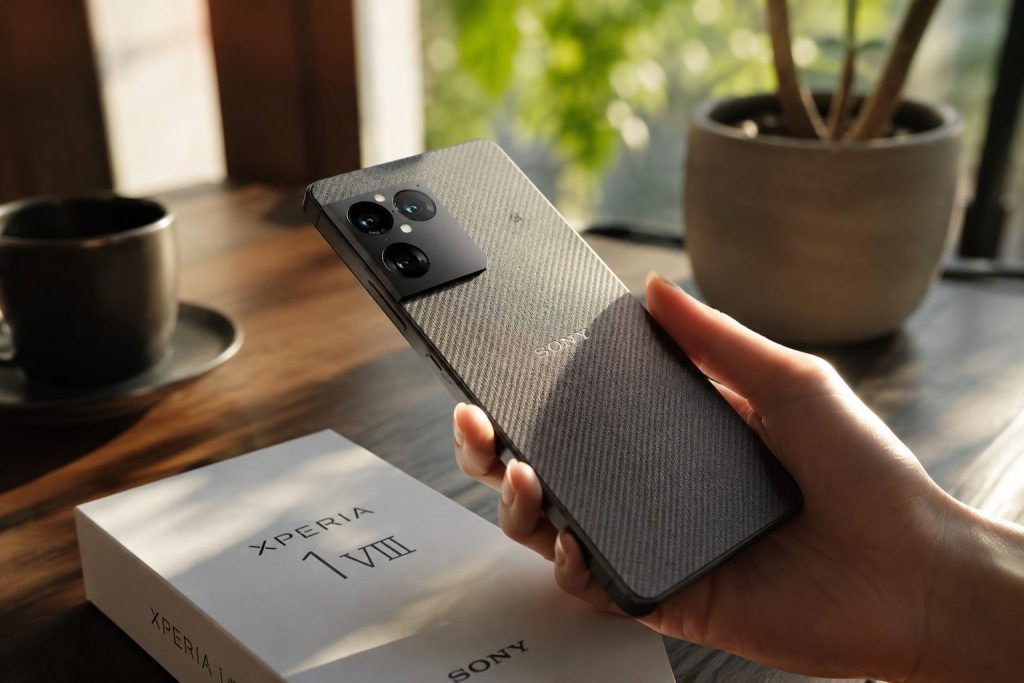
Sony will unveil a new Xperia model Wednesday at 11:00 JST, streaming the event on YouTube. The official name remains unannounced, but leaks suggest it may be called Xperia 1 VIII, featuring a 6.5-inch OLED display and Snapdragon 8 Elite Gen 5 chip. Sony’s teaser shows three camera circles, fueling speculation about a 70mm telephoto lens. Pricing rumors indicate a range of €1,799–€1,868, with possible release on June 26.
Micron Technology shares jumped 6.5% Monday to $795.33 after Deutsche Bank raised its price target to $1,000. The move follows supply concerns linked to an unresolved labor dispute at Samsung, where talks with unions over bonus pay ended Monday without agreement. Micron’s quarterly revenue surged to $23.86 billion. SK Hynix and Samsung shares also rose.
Intel shares jumped 13.9% after a Wall Street Journal report said the company reached a preliminary chipmaking deal with Apple, though neither company confirmed it. AMD closed up 11.4% following strong quarterly results and a raised outlook for AI server sales. Investors are watching for further developments as U.S. markets reopen.
U.S. Air Force budget documents show F-47 research funding will top $5 billion in 2027, rising to nearly $5.3 billion in 2028. Japan’s defense ministry warns the Mitsubishi F-2 will retire around 2035, making the GCAP fighter timeline critical. GCAP awarded its first joint contract, but Tokyo remains concerned about delays and is weighing U.S. alternatives like the F-35 and F-47.
Rheinmetall shares fell below €1,300 Friday after JPMorgan cut its rating and price target, deepening recent losses. First-quarter sales rose 7.7% to €1.94 billion, missing analyst forecasts; operating profit reached €224 million. JPMorgan cited repeated missed targets and lowered 2030 earnings estimates by up to 5%. Order backlog rose to €73 billion at the end of March.
India faces a dispute over 5G spectrum as GSMA urges the government to reserve bands for mobile operators, not private firms. Bangladesh’s top carriers launched limited 5G in major cities. Pakistan’s prime minister approved a 5G spectrum auction by December 2025. Iraq launched a new national mobile company with Vodafone to roll out 5G nationwide in 2025.
Apple shifted all iPhone 17 production to India, exporting $7.5 billion in iPhones from April to July. Samsung leaks reveal the Galaxy S26 Ultra will use an M14 OLED display and a new “Private Display” mode. Google’s Pixel 10 series launches with AI features, satellite messaging, and hints of a foldable model. Xiaomi confirmed its 17 Pro/Max will feature a large rear “Magic Back Screen” and debut HyperOS 3.
ASML remains the sole supplier of EUV lithography machines, each costing $150–180 million and consuming over 1 megawatt. TSMC and Samsung began mass-producing chips with EUV in 2019. ASML delivered its first High-NA EUV tool, EXE:5200, in 2025. Export controls block EUV sales to China, but ASML’s 2024 China revenue reached $7 billion, mainly from DUV systems.
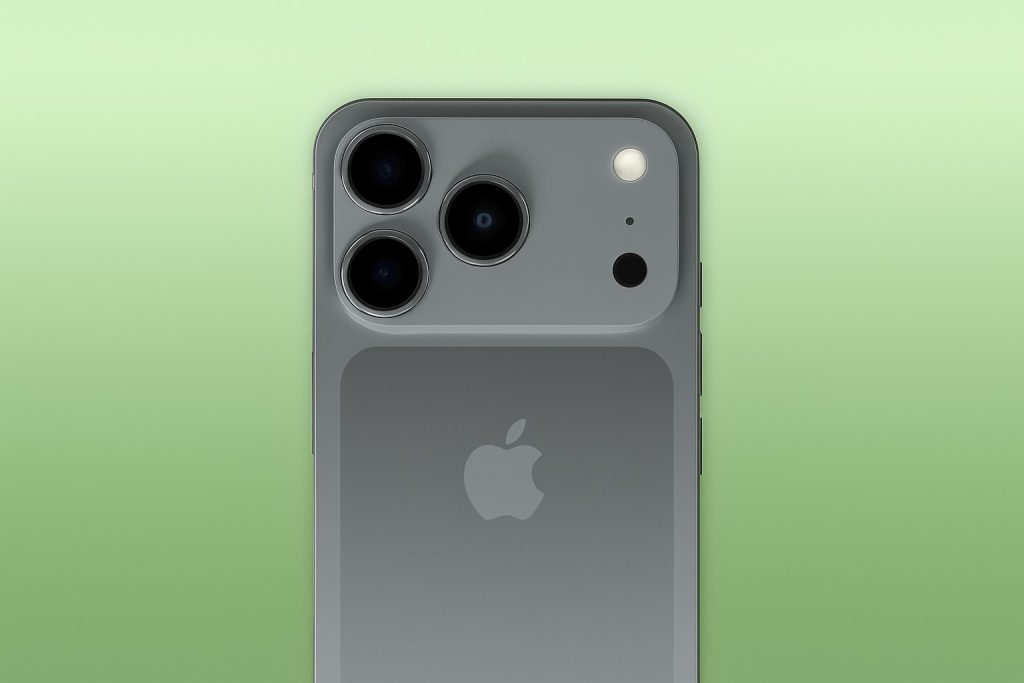
Apple launched the iPhone 17 in China to large crowds, with strong demand for the Pro Max model despite its ¥9,999 price. Samsung delayed its tri-fold Galaxy and XR headset launches to late October, but began rolling out One UI 8 with advanced AI features. Chinese brands realme, Xiaomi, and Huawei unveiled new value-focused phones. EU rules for longer device lifespans took effect in 2025.
Apple’s A11 Neural Engine enabled Face ID and Animoji in 2017; the A17 Pro’s 16-core NPU reached 35 TOPS in 2023. Google Pixel 8, Tesla’s HW4, and NVIDIA Drive Thor now run AI models directly on devices, with Drive Thor hitting up to 2000 TOPS. Qualcomm, MediaTek, Intel, and AMD have all launched NPUs or TPUs powering speech, photo, and translation features without cloud reliance.