
Dubai, May 5, 2026, 01:12 GST
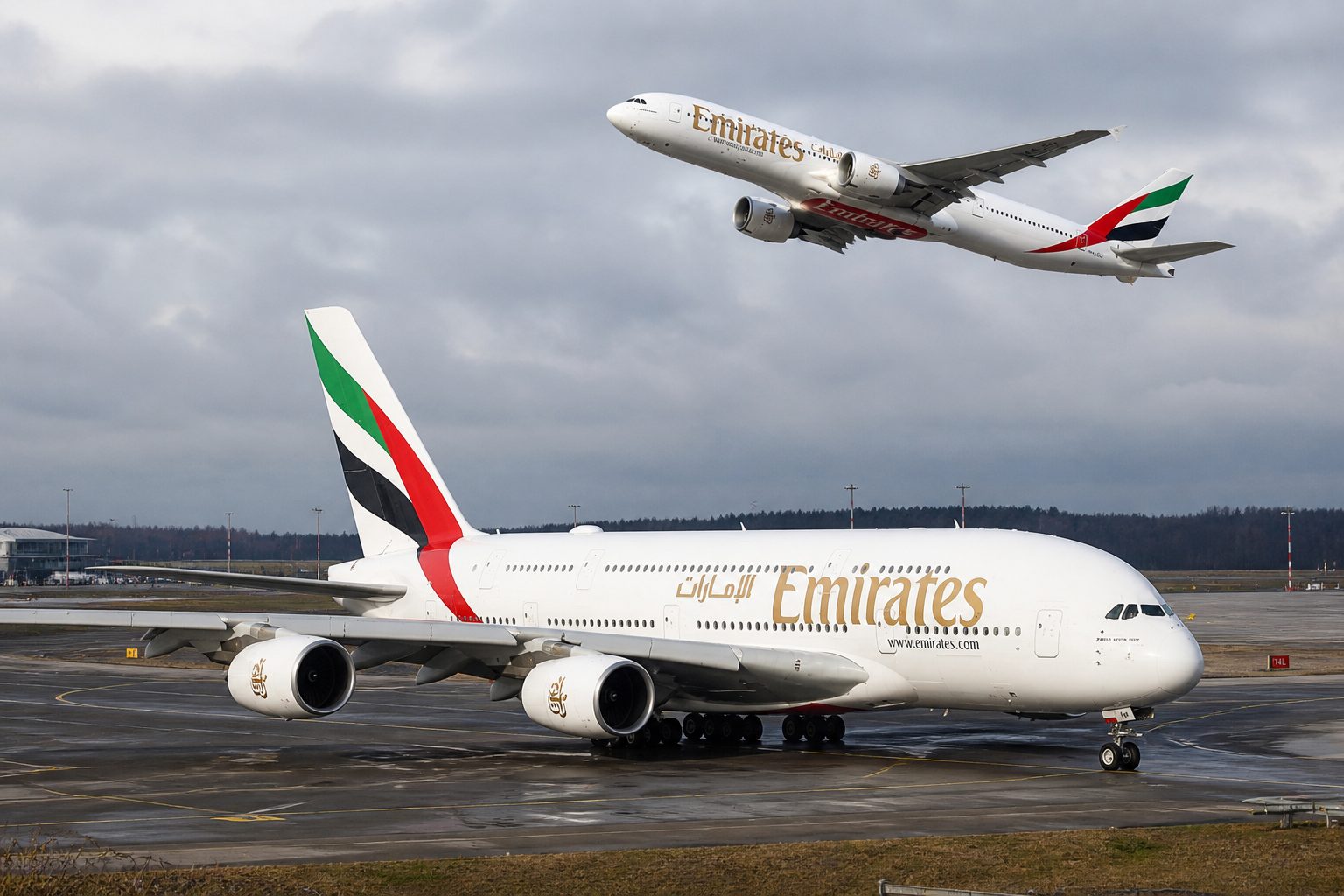
Emirates has brought back 96% of its global flights, moving the Dubai-based airline just shy of a complete comeback after a stretch of turmoil on its long-haul network. Flights are back up and running to destinations in the Americas, Europe, Africa, West Asia, the Gulf region, the Far East, and Australasia.
The timing is critical. Reuters reported that UAE air traffic snapped back to normal as precautionary restrictions from February 28 were rolled back, clearing a path for airlines to restore flight schedules through Dubai after almost two months of limited operations.
Emirates has reached 137 destinations across 72 countries, putting more than 1,300 scheduled flights in the air each week. That’s about three-quarters of the network it operated before disruption hit. The airline moved 4.7 million passengers during the period, according to state news agency WAM.
Dubai Airports is getting back on track. Chief Executive Paul Griffiths said both flights and operations are picking up as routing capacity is restored, adding that demand for travel through Dubai “remains strong.” During the disruption, Dubai International and Al Maktoum International processed more than 6 million passengers, handled over 32,000 aircraft movements, and moved upwards of 213,000 metric tons of cargo, according to Reuters. Reuters
This isn’t a complete turnaround. Dubai International Airport processed 18.6 million passengers in the first quarter—still short of last year’s 23.4 million. The gap shows just how much airspace restrictions continue to weigh, despite some routes coming back online.
Others aren’t standing still. Flydubai CEO Ghaith Al Ghaith told Khaleej Times the low-cost airline was “actively scaling up operations to meet growing demand,” adding he’s still bullish on Dubai’s aviation prospects as regular air traffic returns. Khaleej Times
The disruption earlier on rattled the entire UAE aviation sector—Emirates wasn’t alone. Back in March, Reuters noted that Emirates, flydubai, and Etihad Airways were operating just a handful of flights, with most of those focused on repatriating passengers who’d been stuck. Regional airspace closures and airport chaos were to blame.
Emirates is rolling out perks as flights ramp back up: passengers get one complimentary date change, the option to hold fares for 24 hours, and those facing lengthy layovers can access Dubai Connect stopovers. From May 8 through August 31, its Skywards program trims the criteria for elite status and throws in bonus Tier Miles—those help unlock higher frequent-flyer levels. Starlink internet? Already running on 28 planes, according to Aviation24.
The path forward remains bumpy. UAE air defenses responded Monday to missiles and drones, with incoming flights rerouted to Muscat and planes looping above Saudi Arabia, Reuters said. A drone strike set off a blaze at Fujairah’s oil zone, injuring three people.
Residents got the all-clear from authorities after a phone alert about potential missile threats, but the Interior Ministry still urged caution. Airlines are working within those conditions as they try to sort out their schedules.
Capacity remains the sticking point for travelers. Even with 96% of routes restored, that doesn’t translate to full seat availability—Emirates is operating at roughly 75% of its pre-disruption capacity, FTNnews reports.
The question now is if Emirates can push seat counts and more flights further, all without a fresh bout of regional turmoil. For Dubai, that’s not just an Emirates issue—the entire hub setup leans on steady, hefty flows of connecting travelers.