
Glasgow, April 2, 2026, 17:23 BST
Strathclyde Partnership for Transport faced fresh heat Thursday, with disability advocates again slamming the lack of accessibility across Glasgow’s Subway. Then, both loops on the network went down for a spell in the afternoon—no details on the cause.
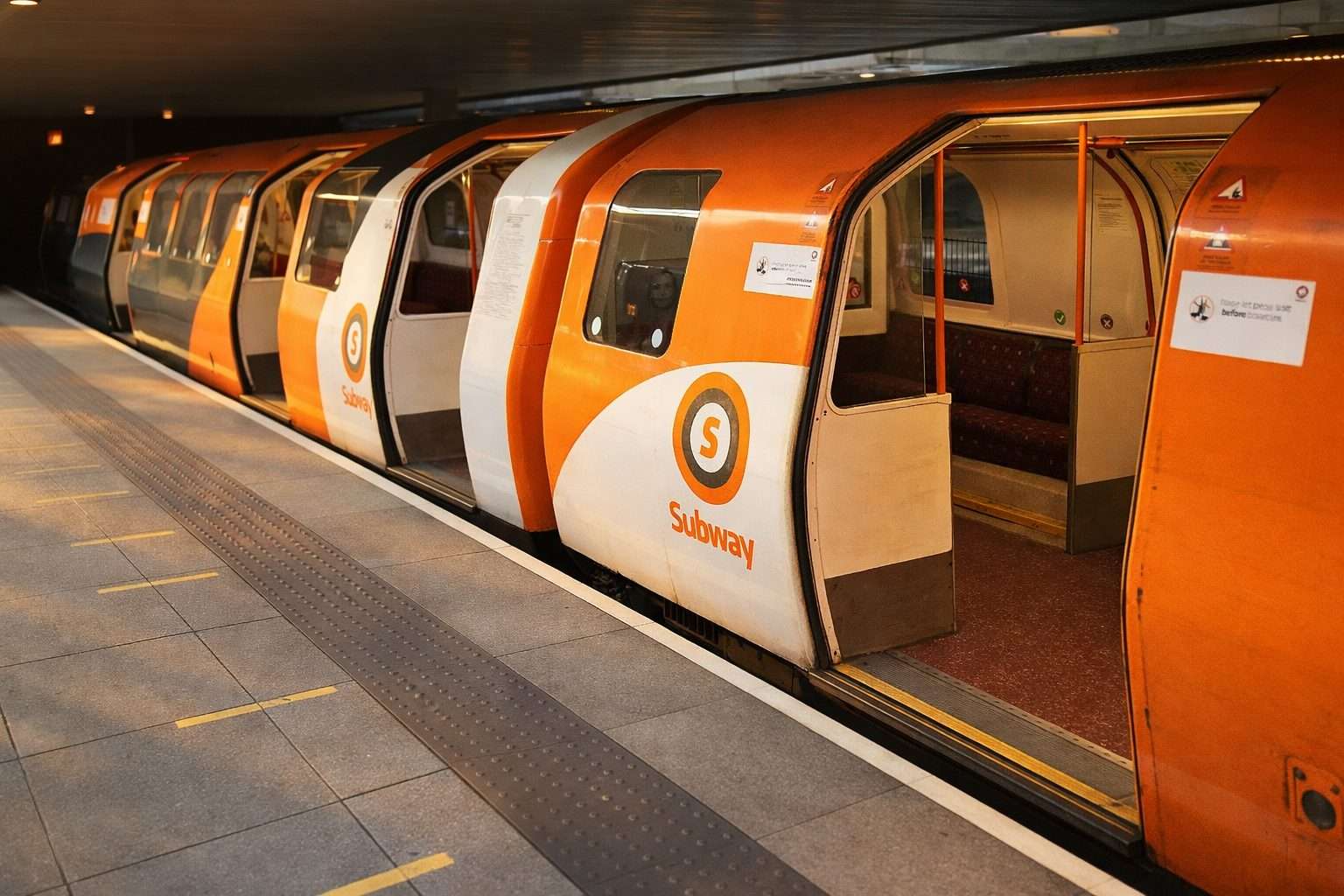
This is notable given SPT’s broad Subway overhaul: the new trains now run every route, platform screen doors are going in, and driverless trains are next on the list. But across the 15 Subway stations, which SPT says see 13 million riders a year, just Govan and St Enoch have elevators so far.
Rae, a wheelchair user and activist, founded Access2Transport to push for quicker improvements. Speaking to the Glasgow Guardian, Rae described certain upgrades—like higher ticket scanners—as “passively hostile in the architecture.” Glasgow Guardian
The group isn’t mincing words. Disabled riders, campaigners argue, are stuck: out of the whole network, just two stations have lifts. That leaves people facing a choice between a subway that’s off-limits, buses that, as they report, sometimes won’t take them, pricey taxis, or rail options where accessibility still isn’t a given.
SPT maintains it’s working to boost accessibility, with ongoing reviews of its facilities, vehicles, and services for any shortcomings. The agency’s website highlights features like tactile maps, induction loops, high-contrast stair nosings, and double handrails. It also notes the new trains come with two designated wheelchair spaces.
The core issue remains stubbornly unresolved. SPT’s guidelines state that wheelchair and mobility scooter users are permitted access to elevators at Govan and St Enoch. Yet every train makes stops at all 15 stations—both inner and outer circles included.
The shutdown on Thursday dialed up the strain. With the inner circle running anticlockwise and the outer loop going clockwise around the city, suspending both brings the network to a standstill. Local media said both circles were halted this afternoon.
The outage comes as the Subway pushes through its most significant modernization in over three decades. SPT reports that Stadler-built trains have been running all passenger services since late June 2024. Platform screen doors are already installed at Govan, with Ibrox and Partick next in line, part of the operator’s move toward driverless operations.
That spells a lingering risk for SPT: even with obvious tech upgrades, critics aren’t likely to be satisfied if most platforms still require stairs for disabled access and ongoing service disruptions keep reopening the fundamental issues. The operator maintains it’s exploring additional options to improve accessibility, though the main station gap hasn’t gone away.
Campaigners aren’t talking about upgrades or modernisation here. Rae puts it plainly: the fight is to remind the city that “access is for all.” Most of the Subway’s route still doesn’t deliver on that, falling short of the mark. Glasgow Guardian