
MONTREAL, March 30, 2026, 07:11 EDT
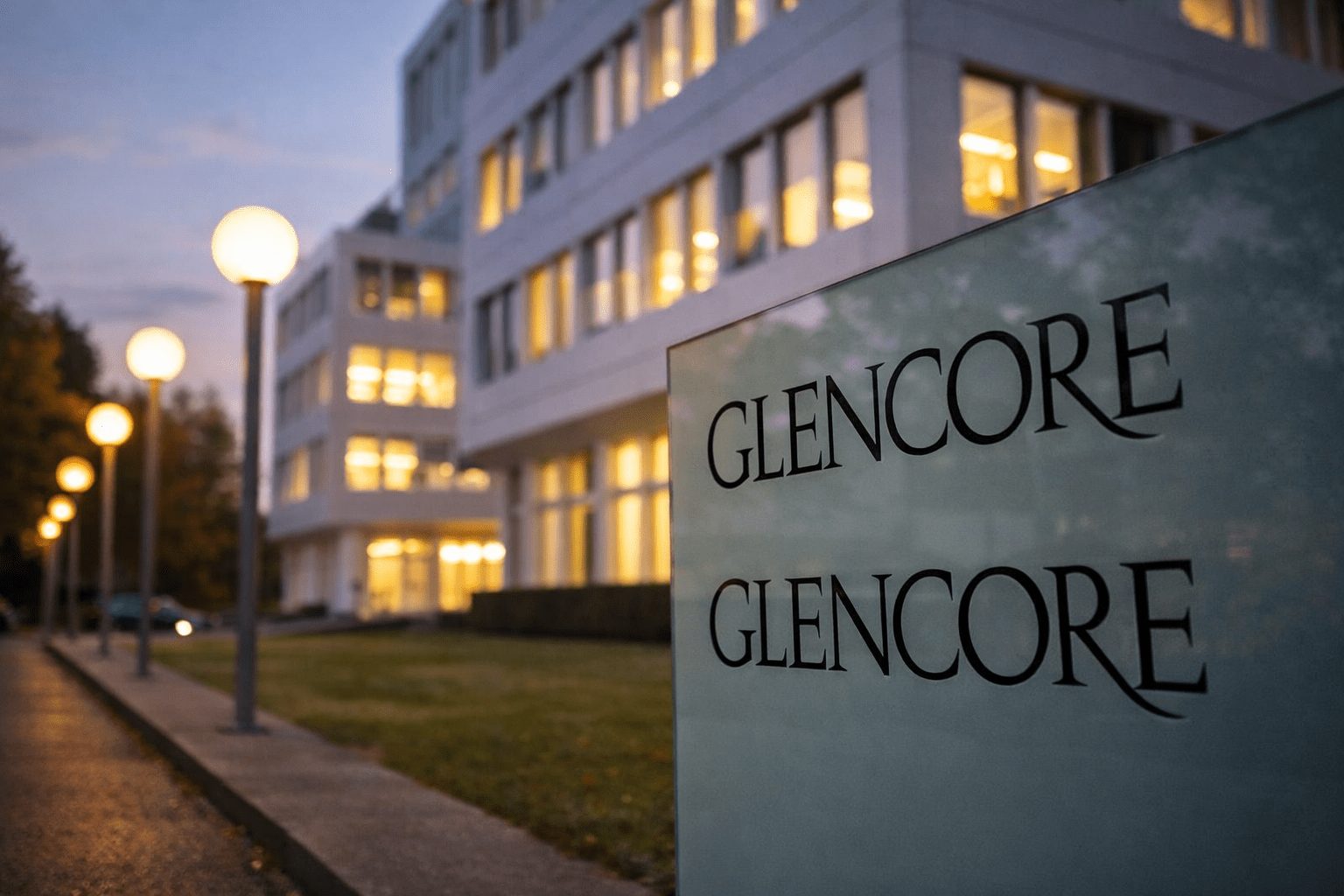
Canada and Quebec are scrambling to keep Glencore’s Horne smelter running, after the company warned it could close the plant in response to stricter pollution limits. According to Dow Jones, which cited a Bloomberg piece that referenced people with knowledge of the talks, Ottawa is mulling roughly C$150 million ($108 million) in aid, while Quebec is looking at possible tweaks to emissions standards.
The issue stretches far past just one town in Quebec. According to RBC, Horne and its connected Canadian Copper Refinery make up the country’s sole copper smelter-refinery network still running. Charles Cooper at Wood Mackenzie described the facility as “absolutely instrumental” for North America’s copper supply. Bloomberg put the plant’s share at roughly 16% of regional smelting capacity, with around 3,200 direct and indirect jobs tied to it. The operation also supplies customers like Nexans’ copper rod mill outside Montreal. RBC
Talks are circling around a plan to push back the new arsenic air limit to 2029, keeping that threshold locked until at least 2033, according to sources who spoke to Bloomberg. The standard—a cap set at 15 nanograms per cubic metre—measures airborne arsenic. Glencore, via email, said it’s still willing to share financial risks as it waits for clearer regulatory signals. Industry Minister Melanie Joly’s spokesperson called the smelter a strategic asset.
Things escalated sharply in early February. Glencore halted spending tied to emissions controls and plant upgrades at Horne, and scaled back investment plans at its Montreal refinery. The miner said it was ready to commit almost C$1 billion over five years—about C$300 million of that aimed at cutting emissions—but chief operating officer Marc Bédard insisted workers lacked “clear direction,” and said conditions weren’t right to proceed. Glencore Canada
Glencore isn’t alone in dealing with this squeeze. Just last week, Rio Tinto flagged that U.S. copper smelting operations have slipped into the red. Freeport-McMoRan, for its part, has called on Washington to step in with incentives for U.S.-based processing. Ordinarily, smelters pocket TC/RCs—treatment and refining charges—for converting copper concentrate into finished metal. But as Reuters has reported, those fees have dropped so sharply that some plants are actually shelling out to secure feedstock.
The crunch isn’t limited to one region. Mitsubishi Materials announced March 25 it’ll halt copper concentrate processing at its Onahama facility by the close of March 2027, citing tough foreign rivals and tumbling TC/RCs. This only underscores how copper smelters are feeling the heat far outside Canada.
There’s still a risk the deal could unravel over health concerns and political pushback. Quebec maintains its ambient air arsenic standard at 3 nanograms per cubic metre; back in 2022, officials framed the 15 ng/m3 target imposed on Horne as a temporary measure, just a starting point. Reuters flagged last year that the plant is already up against a class action tied to emissions, which means legal headaches and possible cleanup costs could shadow any longer-term resolution.
Glencore is rejecting criticism over the plant’s emissions, highlighting a 46.5% drop in arsenic levels at the official monitoring site from 2022 to 2024. “Rigorous data analysis is essential,” said environment director Marie-Elise Viger in a statement dated March 26. The company maintains Horne’s output is “on par” with European smelters, according to Vincent Plante, who heads North American Copper at Glencore. Newswire
The smelter continues to run on its existing permit for now. But on Feb. 3, Reuters reported that with the suspended projects off the table, hitting certain targets set for March 2027 would be out of reach. Glencore, in a Jan. 30 update, said its next moves hinge on how quickly it can nail down a stable, workable deal with Quebec.