
LONDON, May 5, 2026, 15:04 (BST)
- Gold bounced back Tuesday from its lowest point in over a month, leaving investors to weigh if January’s record run was the top, or just a breather.
- The World Gold Council reported a record $193 billion in first-quarter gold demand by value, despite a sharp drop in jewellery purchases.
- Deutsche Bank’s $8,000 scenario isn’t an official forecast—think of it as a model case. Still, momentum has built around the idea as central banks continue to stockpile bullion.
Gold’s recent rebound is forcing investors to reconsider an old debate—are we shifting away from a jewellery-fueled cycle toward one powered more by central bank moves, private buyers, and skepticism over the dollar’s role as a reserve?
Which brings us to the current moment. Gold sits well off its highs from January, but compared to a year ago, prices are still hovering at levels that once seemed outlandish. Recent demand data underline a shift: more of the buying now comes from bar and coin investors, as well as official sector reserves. WELT has called the move more than just another price fluctuation, suggesting it could be an early sign of deeper fractures in the global financial system, first emerging in gold.
Spot gold climbed 1% to $4,566.79 an ounce by 1245 GMT on Tuesday, bouncing back after slipping to its lowest since March 31 just a day before. U.S. gold futures moved up as well, reaching $4,577.60. Jim Wyckoff at American Gold Exchange pointed to “bargain hunting” in the wake of the recent drop. Fawad Razaqzada of City Index flagged inflation hedges and central-bank demand as factors keeping the market from sliding further. Silver, platinum, and palladium advanced too. Reuters
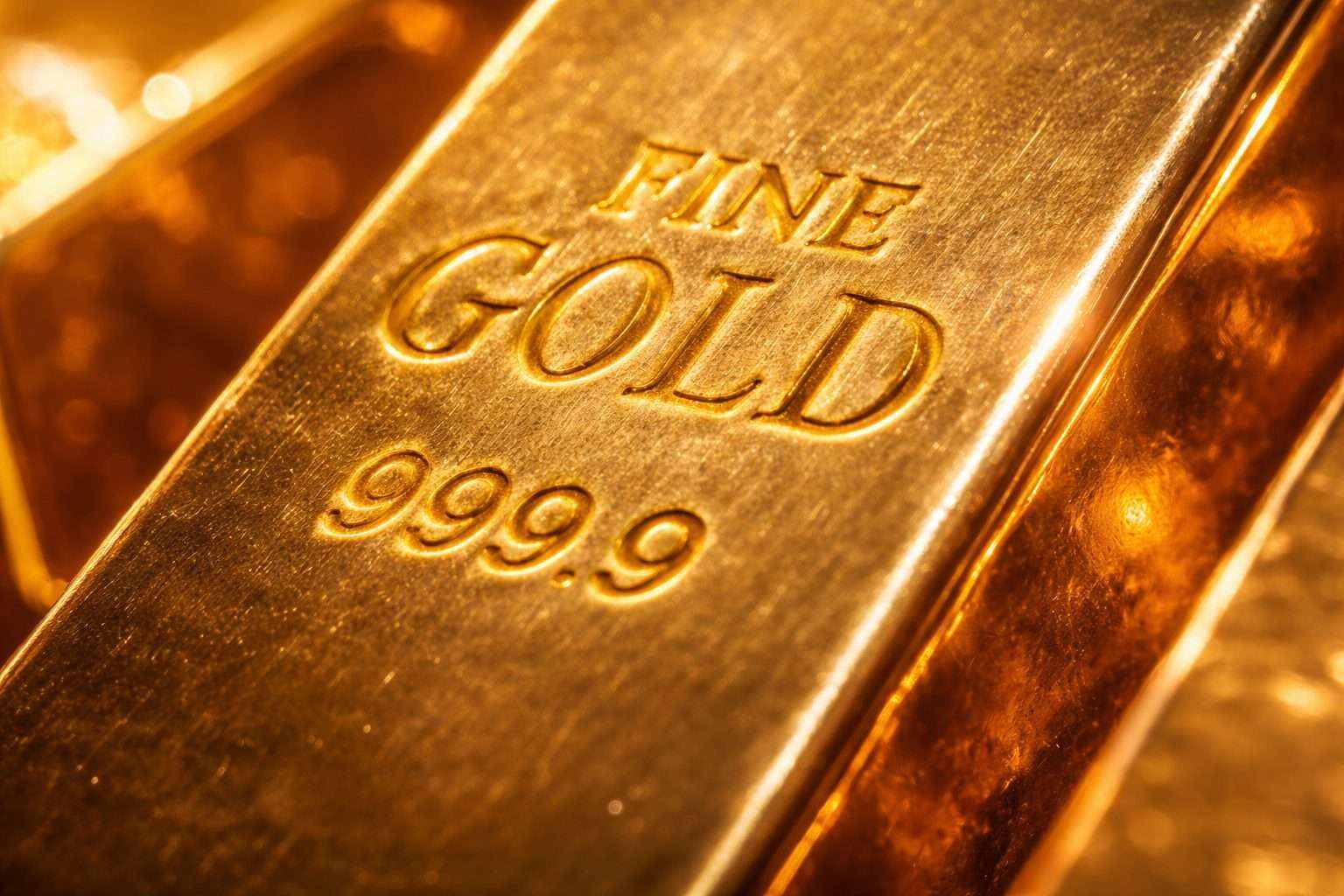
Gold was quoted at $4,579.57 an ounce on May 5, a 1.26% gain for the day, according to Gold.de’s live prices. Still, that’s shy of the site’s intraday peak of $5,594.70. The German metals platform noted investors are shifting demand for 2026—more money is heading into bars and coins, while jewellery demand slips.
Total gold demand in the first quarter, counting OTC trades, climbed 2% year-over-year to 1,231 tonnes, according to the World Gold Council. But the value side tells a different story: up 74%, hitting a record $193 billion. Demand for bars and coins shot up 42%, reaching 474 tonnes. Gold-backed ETFs brought in 62 tonnes — still positive, but growth trailed last year’s pace.
“Price momentum and heightened geopolitical risk” fueled investment demand, led by Asia, according to Louise Street, senior markets analyst at the World Gold Council. She flagged a potential drag from higher-for-longer interest rates, especially in Western markets. World Gold Council
Jewellery’s where the trouble showed up. Global demand for gold jewellery slumped 23% year-on-year to just under 300 tonnes—the weakest quarter since COVID—despite jewellery spending jumping 31% to $47 billion, thanks to the price surge. China led the drop, down 32%, with India off 19%. Some buyers seem to have pivoted to lower-premium bars and coins instead.
The $8,000 gold discussion hinges on that shift. Focus, referencing a Deutsche Bank analysis, noted that the bank ran the numbers on central banks taking gold reserves back up to Cold War-era levels—roughly 40%. In Deutsche’s scenario, gold ends up at $8,000 per ounce within five years, even if emerging-market FX reserves fall.
Mining.com also flagged this, noting Deutsche Bank framed $8,000 gold as more of a thought experiment than a firm target. Their case hinges on de-dollarisation: nations are turning to gold since it dodges foreign liabilities and resists sanction crackdowns.
Central banks kept buying gold, though their approaches diverged. Official-sector demand hit 244 tonnes in the first quarter, a 17% jump from the prior period, according to the World Gold Council. Poland led buyers with 31 tonnes, followed by Uzbekistan’s 25 tonnes and China’s 7 tonnes. On the other side, Turkey, Russia, and Azerbaijan’s SOFAZ cut back, logging sales.
No longer just a tug-of-war between gold and jewellery, or gold and stocks. This year, the European Central Bank put gold in the global spotlight, saying it’s now the second-largest reserve asset by market value—trailing only the U.S. dollar and overtaking the euro—after central banks snapped up over 1,000 tonnes.
Still, plenty of things can trip up the trade. Gold doesn’t throw off any income, so rising bond yields and a firmer dollar tend to sap its appeal. A bigger drop in oil, a quieter geopolitical backdrop, or large-scale selling by official holders could spark outflows from bullion. March’s U.S. ETF redemptions were a reminder: investors can pull the plug quickly when cash is tight.
Supply remains tight. The World Gold Council reports a 2% year-on-year increase in total supply for the first quarter, reaching 1,231 tonnes. Mine production touched a first-quarter record at 885 tonnes, also up 2%, while recycling volume climbed 5%. Growth for sure, but it’s hardly overwhelming.
Right now, it’s U.S. labor numbers, rate bets, and Middle East tensions steering the trade. The bigger question unfolds more gradually: is central-bank buying sticking with the reserve playbook, or does it swing into crisis mode? If reserves remain the focus, the gold floor could prove more elusive than the top.