
London, March 9, 2026, 17:08 GMT
- Spot gold dropped 1.7% to $5,080.99 an ounce, with U.S. futures slipping to $5,089.80.
- Oil surged close to $120 a barrel, stoking inflation concerns and giving the dollar a lift.
- U.S. CPI hits on Wednesday. Then on Friday, markets get PCE—the inflation measure the Fed watches most closely.
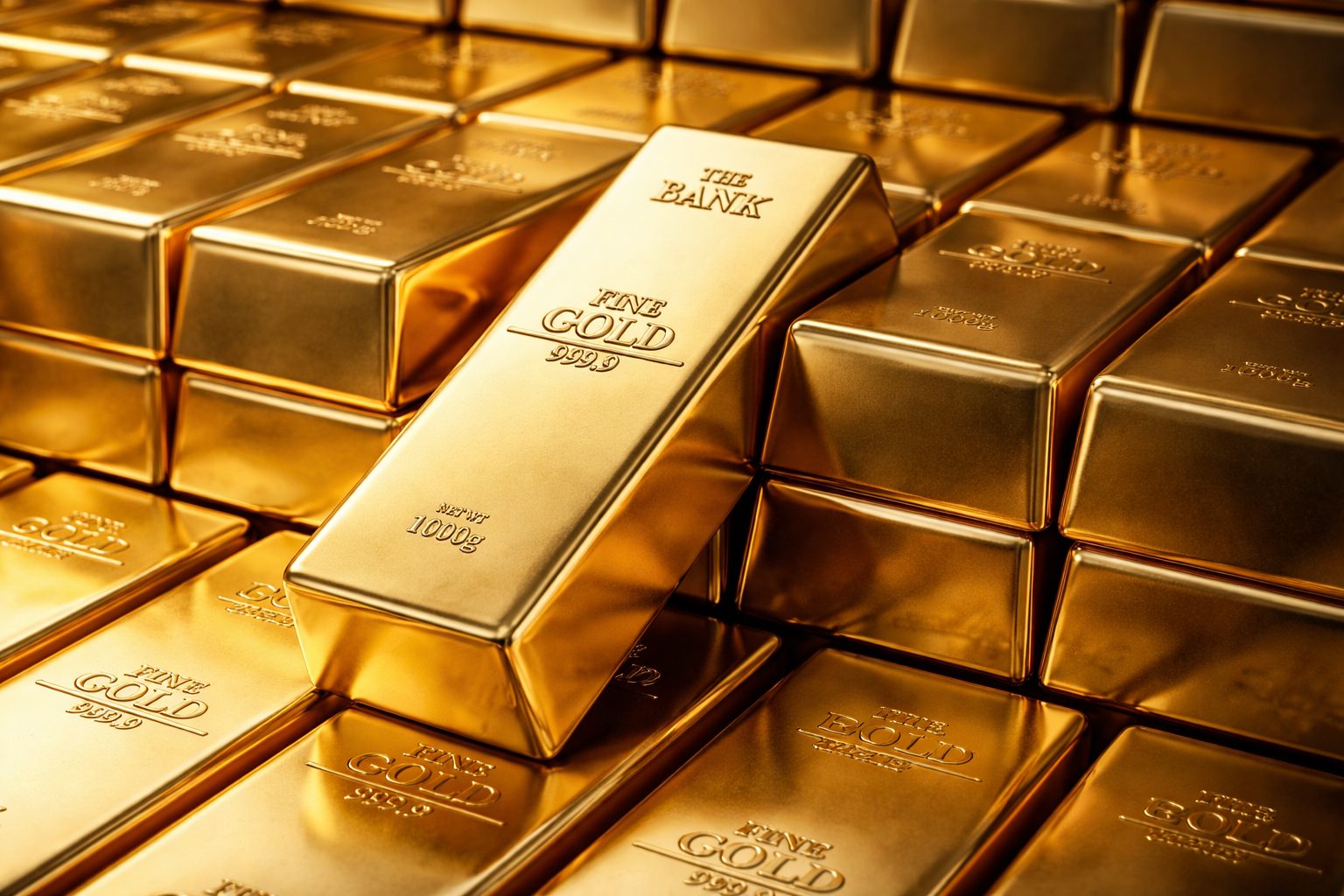
Gold slid over 1% on Monday as the stronger U.S. dollar and firmer rate-hike bets weighed, taking the shine off the metal’s reputation as a go-to during geopolitical flare-ups. Spot gold slipped 1.7% to $5,080.99 an ounce just after 11 a.m. ET. U.S. gold futures for April lost 1.3%, settling at $5,089.80. “If we get some hot inflationary numbers this week… it could see a further drop in gold prices,” said Jim Wyckoff, senior analyst at Kitco Metals. Reuters
The day’s action skipped the usual bullion playbook; instead, risk bets landed squarely in energy and rates. Oil soared about 25%, spiking up to $119.50 a barrel at one point—lifting the dollar and heightening concerns that inflation could stay stubborn if supply disruptions drag on. “No obvious offramp” to the crisis, IG market analyst Tony Sycamore noted, adding that the risk of deep economic scars is mounting. Reuters
Gold tends to attract buyers seeking a safe haven during conflict and inflation, but faces headwinds when investors suspect central banks will stick with higher interest rates. The metal offers no yield, so rising rates make holding bullion less appealing.
Wyckoff noted that an extended conflict might “provide a floor” for prices, though inflation worries are front and center right now. Eyes are on Wednesday’s U.S. Consumer Price Index (CPI) and Friday’s Personal Consumption Expenditures (PCE) price index—key readings for anyone tracking how tough things could get for the Federal Reserve.
Gold trades in dollars, so when the greenback strengthens, buyers outside the U.S. face steeper prices per ounce in their own currencies. Lately, that’s weighed on demand. The currency dynamic has worked against gold, especially during recent sessions where the dollar rallied on risk-off sentiment.
Precious metals showed a mixed performance. Spot silver edged down 0.3% to $84.06 an ounce. Platinum added 0.6% to $2,148.25, and palladium moved up 1.4% to $1,648, Reuters figures showed.
Governments aren’t waiting around for markets to calm down. In Ghana, officials have announced plans for a new sliding-scale royalty system that would top out at 12% if gold reaches $4,500 an ounce, replacing the current flat 5% rate. Miners have pushed back against the move.
The next move for bullion likely depends on how inflation prints land—if CPI or PCE run cool, traders might get relief, yields and the dollar could ease off, and gold might find its footing. But another upside surprise, especially paired with another jump in energy costs, would probably embolden sellers and keep the lid on prices.
Traders are ready for sharp moves if the Middle East conflict changes course—energy supply could tighten even more or, just as quickly, worries could fade. Both scenarios have the potential to shake up the dollar and rate bets, factors that have been driving gold’s action this week.