
London, May 12, 2026, 14:41 BST
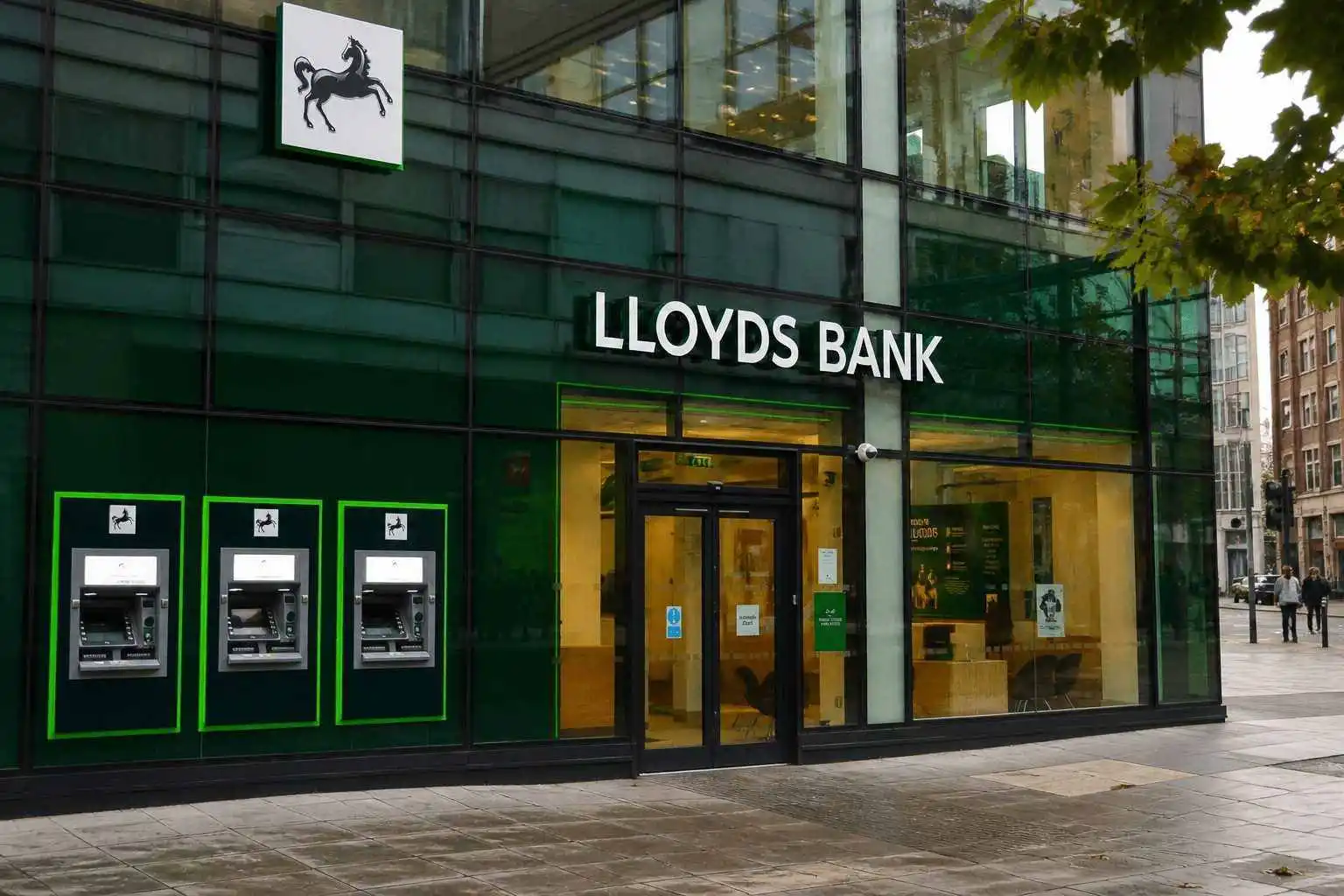
- Lloyds shares slid 4.2% to roughly 94.21p, tracking declines across UK banks as gilts and sterling took a hit.
- This wasn’t triggered by another earnings miss. Instead, markets locked onto fiscal risk, concerns over oil-fueled inflation, and rising speculation about steeper bank taxes as mounting pressure put Prime Minister Keir Starmer’s future in question.
- Bulls can still point to Q1 profit, robust buybacks, and solid capital strength. Bears, though, flag motor-finance redress risk, higher long rates, plus political uncertainty.
Tuesday’s selloff in Lloyds Banking Group shares didn’t stay contained—UK bank stocks broadly took a hit. Lloyds slid alongside Barclays and NatWest, each giving up over 3% as investors sold off domestic lenders. Long-dated gilt yields spiked too, pointing to a move out of UK risk.
There’s the reason for the chart’s move. Lloyds is tethered to the same forces driving UK mortgages and household credit—bond yields, fiscal headlines, inflation, confidence. The 30-year gilt? Up to 5.81%, a level not seen since 1998. Ten-year yields? Hit 5.13%, most since 2008. Banks typically benefit from higher rates through wider margins, but when yields jump on worries over government finances and oil-fueled inflation, rather than strong loan demand, that upside vanishes.
Politics is trading now. Kalshi put up a contract on whether Starmer leaves before July 1, and over on Polymarket, odds priced a 56% chance he’s out by June 30, jumping to 84% for departure by year-end. Lloyds is in the mix here: investors worry a switch at the top could mean looser budgets, more borrowing, and a sharper tax focus on banks.
Peers fell in step. According to Reuters, shares of London banks—Barclays, Standard Chartered, NatWest, and Lloyds—slipped between 2.2% and 4.2%, part of a wider selloff rippling through Europe’s financial and industrial names. Neil Wilson, UK investor strategist at Saxo, cut to the core: “Markets tend to dislike” uncertainty about who’s in charge of a government. Reuters
Lloyds did have some news of its own in the mix, though it didn’t change the direction of travel. On May 11, the bank snapped up 16.6 million of its own shares, paying a volume-weighted average of 98.778p each, and said those shares would be canceled. Buybacks shrink the outstanding share tally, sometimes pushing up earnings per share. Still, that’s no match for a wholesale shift in the UK banking sector’s pricing.
Same story with Monday’s capital clean-up. Lloyds is asking holders of £750 million in Additional Tier 1 securities—loss-absorbing bank capital—to sign off on tweaks that would bring these in line with other AT1s. If investors agree, Lloyds can shift preference shares over to Tier 2 capital and bolster that category by around £400 million. It’s a boost, sure, but not what’s moving the needle today.
The bull argument holds some weight. Lloyds posted a statutory after-tax profit of £1.6 billion for Q1, putting return on tangible equity at 17%—that’s profit on ordinary shareholder capital, minus the intangibles. Net income climbed 9%. The net interest margin, the spread between lending earnings and funding costs, landed at 3.17%. Costs moved lower by 3%.
The mood from management came across as measured, never on the back foot. Speaking at a sellside roundtable on May 5, CFO William Chalmers summed up Q1 as “continued strategic execution,” highlighting robust income, tight cost discipline, and solid asset quality. That’s the key bullish case: Lloyds keeps generating capital, continues to lend, and remains active on share buybacks. MarketScreener
Bears point out that the macro picture has dimmed—something Lloyds itself has already acknowledged. The bank’s management team is now looking for zero Bank Rate cuts this year, UK GDP closer to 0.5% instead of the prior 1.2%, about 1% growth in house prices, and unemployment topping out at 5.6%. Chalmers noted income could benefit from higher rates, but warned that by 2026, the drag from weaker activity will likely “largely offset” those gains. Investing
Motor finance is still weighing things down. The FCA said it doesn’t expect tribunal hearings on car-loan compensation challenges to happen before October. Lenders have been warned: there’s a chance the compensation scheme gets tossed out altogether. Redress would mean compensation paid to customers, with the FCA’s own expectations pegged at an average of about £830 for each vehicle loan agreement.
Lloyds stands out among UK banks with its larger exposure, thanks to Black Horse and the size of its motor-finance book. The group has put aside £1.95 billion—far above Barclays’ £325 million and Close Brothers’ £300 million, numbers reported by Sharecast and posted on Lloyds’ own investment site. For Q1, the bank said the provision figure was unchanged, citing uncertainties around response rates, operating costs, and litigation.
Lloyds has already shown it can deliver solid earnings—that’s not the question right now. The real issue: can UK rates find their footing without tipping the mortgage market over? Will the political risk premium start to unwind, and do those worries over higher bank taxes subside? According to Reuters, JPMorgan is now penciling in a jump in the UK bank surcharge to 5% from 3% if there’s a leftward policy turn. Until there’s clarity on those fronts, Lloyds probably trades less like a bargain stock and more as a running barometer of UK sentiment.