
KARIYA, Japan, May 12, 2026, 23:02 JST
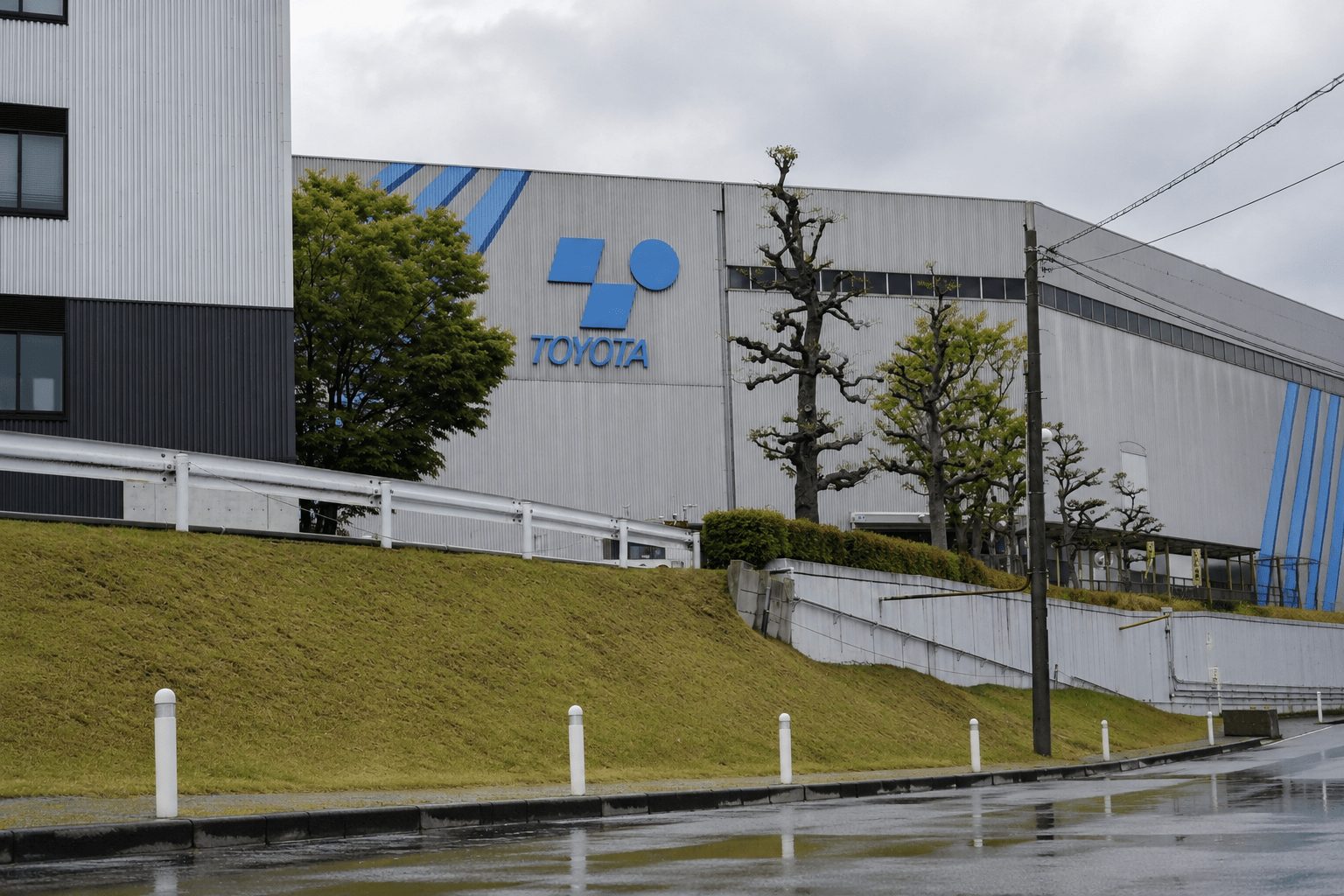
Shareholders at Toyota Industries signed off Tuesday on a share consolidation plan, setting up the forklift and auto-parts maker to exit both the Tokyo and Nagoya exchanges on June 1, according to the company. That would close the book on a public listing stretching back to May 1949, when the stock first hit the boards in Tokyo, Nagoya, and Osaka.
The vote’s timing is key, shifting a long-running governance feud into an on-the-ground trial. Toyota and its affiliates push the storied founder’s firm to loosen the purse strings—backing logistics, industrial vehicles, software. They’re also pressing to unwind the web of cross-shareholdings that’s bound the group for decades.
The move wraps up one of Japan’s headline-grabbing take-private transactions. Back in March, Reuters put the deal’s value for Toyota Industries at roughly $30 billion, and according to Recofdata, it stands as the largest Japanese-on-Japanese deal since 1985 or earlier.
Toyota Industries announced it will consolidate 74,100,604 common shares into a single share—a move resembling a reverse split. Most minority holders will end up with fractional shares, which the company says will be cashed out. Trading wraps up on May 29, with delisting scheduled for June 1. The consolidation kicks in June 3.
Toyota Industries’ investor site reported that 191,087,116 shares were tendered in the public bid, pushing ownership to 63.60%. The tender ran from Jan. 15 through March 23, with the price set at 20,600 yen a share. Settlement begins March 30.
Toyota’s camp bumped up its offer twice, starting at 16,300 yen, after Elliott Investment Management argued the initial numbers undervalued the deal. “When Elliott mentioned that they were going to tender into the offer, it was pretty much a done deal,” said James Hong, head of mobility research at Macquarie, to Reuters. Reuters
President Koichi Ito told shareholders the company’s goal is to “contribute to society” and earn public backing, according to Nagoya TV. During an April results briefing, Ito said Toyota Industries aims to expand in goods movement, steering clear of being swayed by short-term pressures, the broadcaster reported. 名古屋テレビ〖メ~テレ〗
The group has mapped out a new direction: push Toyota Industries to the front of the Toyota group’s “goods” mobility ambitions—think self-driving forklifts, logistics software, greener powertrains, plus the data that moves with freight. Flashy? Not really, especially compared with the passenger-car brawl. But the real action is warehouse automation and wringing more out of supply chains. Toyota Industries
The capital reset matters just as much here. Toyota Industries plans to tender every share it holds in Toyota Motor, Denso, Toyota Tsusho, and Aisin into those companies’ buyback programs, a move that slashes cross-shareholdings—a widespread habit in Japan where firms park stock in one another—and wipes out future dividends from those common-share blocks.
Toyota Industries finds itself looking at a different lineup of rivals now. The company keeps its Toyota connection, but in the world of lift trucks and warehouse gear, it’s up against names like KION Group, Jungheinrich, and Hyster-Yale. The battle is increasingly about electric drivetrains, automation, and software for managing fleets.
The private-company move isn’t all upside for Toyota Industries. Freed from the grind of daily stock scrutiny, yes, but the flipside: no public-market guardrails on how it spends. Fractional-share buyouts? Those still hinge on court sign-off. According to the company, if the court doesn’t approve as expected—or if fraction math shifts—the final payouts could change.
Toyota Industries finished Tuesday at 20,430 yen in Japan, a shade under the 20,600-yen cash-out price, MarketScreener data show. For public holders, the exit looks nearly wrapped up.